Archive for 2025
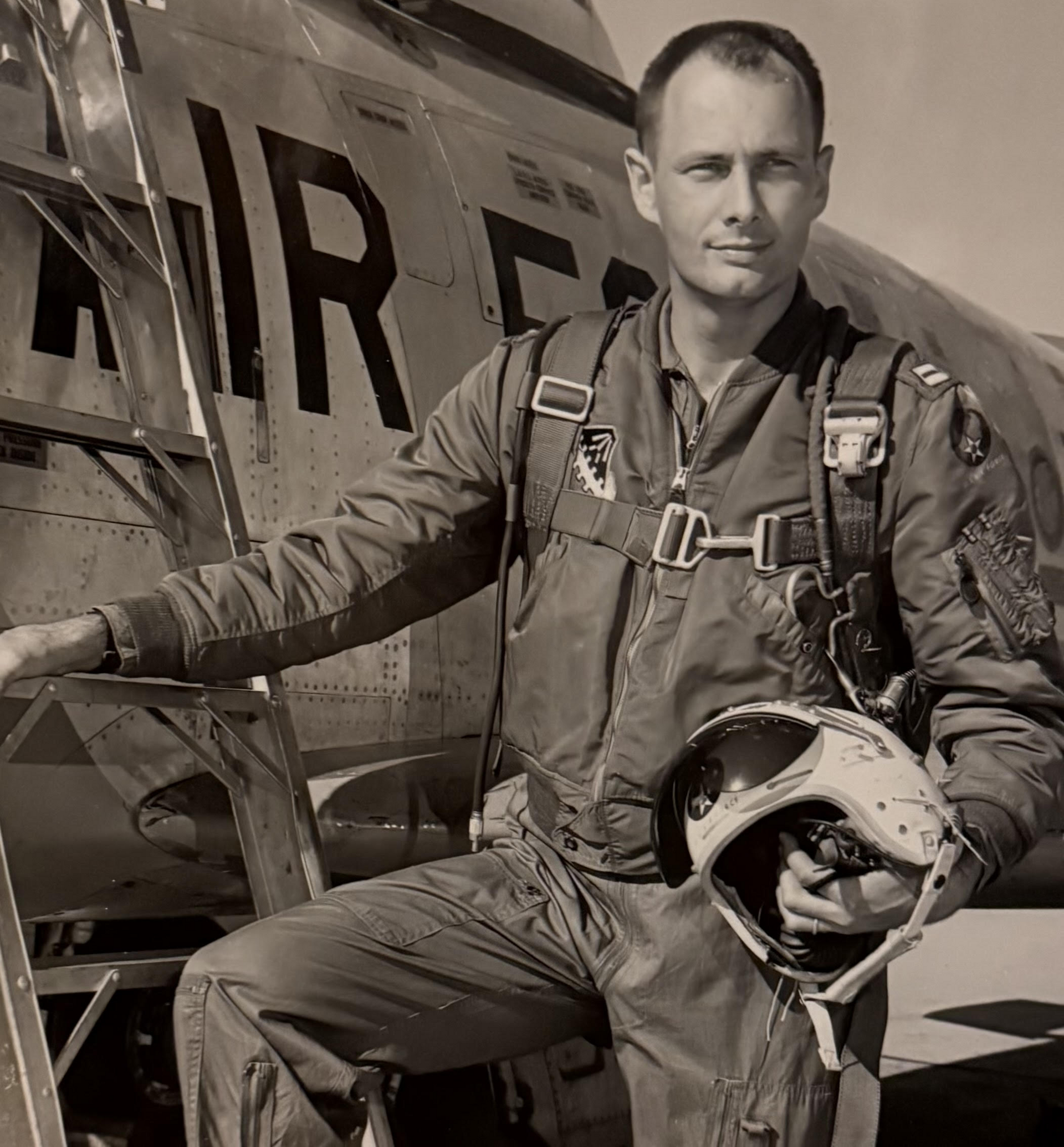
The RAF has some remarkable friends, and among them was long time generous RAF supporter Charlie Kuyk, retired USAF Major-General. Folks may remember that Charlie and USAF Colonel and NASA Astronaut Frank Borman were good friends, dating back to their time together at West Point in the late '40s. Charlie went into bombers, and Frank went into fighters, but they stayed fast friends through their lives. Frank passed away in 2023 in Billings, MT, and we regret to report that Charlie passed away this December in Gig Harbor, WA, at age 99½. “We were fortunate to reunite these two a couple of times as they told stories of their lifetimes, with then-RAF Director Pete Bunce graciously acting as moderator,” RAF President Bill McGlynn said. “The joke was that everyone understood why Charlie became a three-star general, while Frank remained a colonel. Frank's retort was that he logged more flight hours than Charlie by flying around the moon.” Charlie had an amazing 36-year military career spanning the Korean and Vietnam wars. He was a test pilot at Edwards Air Force Base and an Air Force Wing Commander, and a general officer in the R&D division of the Air Staff at the Pentagon, where he oversaw the development of the Cruise missile systems and stealth aircraft technology. “Most importantly, Charlie stood out as a good friend and an avid aviator, never losing his enthusiasm to climb into airplanes like ours, and go fly with someone,” McGlynn said, adding, “Blue skies and tailwinds, Charlie. You are remembered fondly.” By Carmine Mowbray Submitted December 31, 2025.
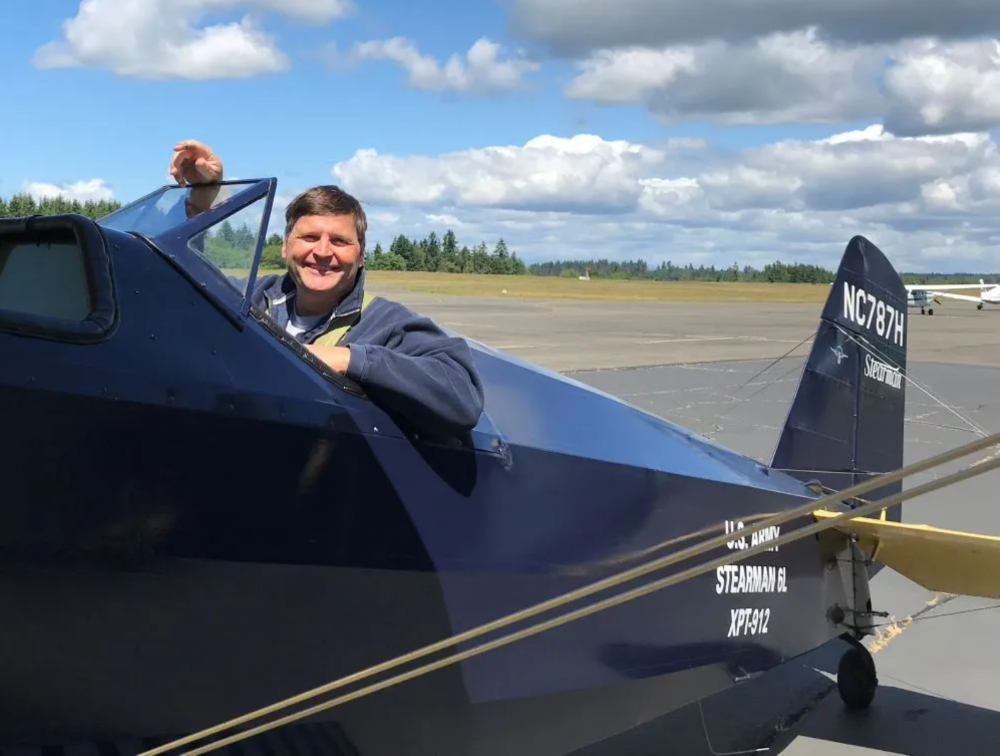
When RAF friends gather around the fire hub at an airfield, there’s always a good story to be told. We have brought that love of storytelling into digital format with RAF Podcasts, and hope you enjoy hearing the variety of perspectives shared on the topic of recreational aviation. Each podcast is hosted by RAF President Bill McGlynn, whose easygoing interviewing style naturally brings out some wonderful stories from our interviewees. Enjoy listening on theraf.org under the News tab, or search for “The RAF and Backcountry Flying” on your favorite podcast app, such as Spotify or Apple Podcasts . Submitted December 31, 2025.
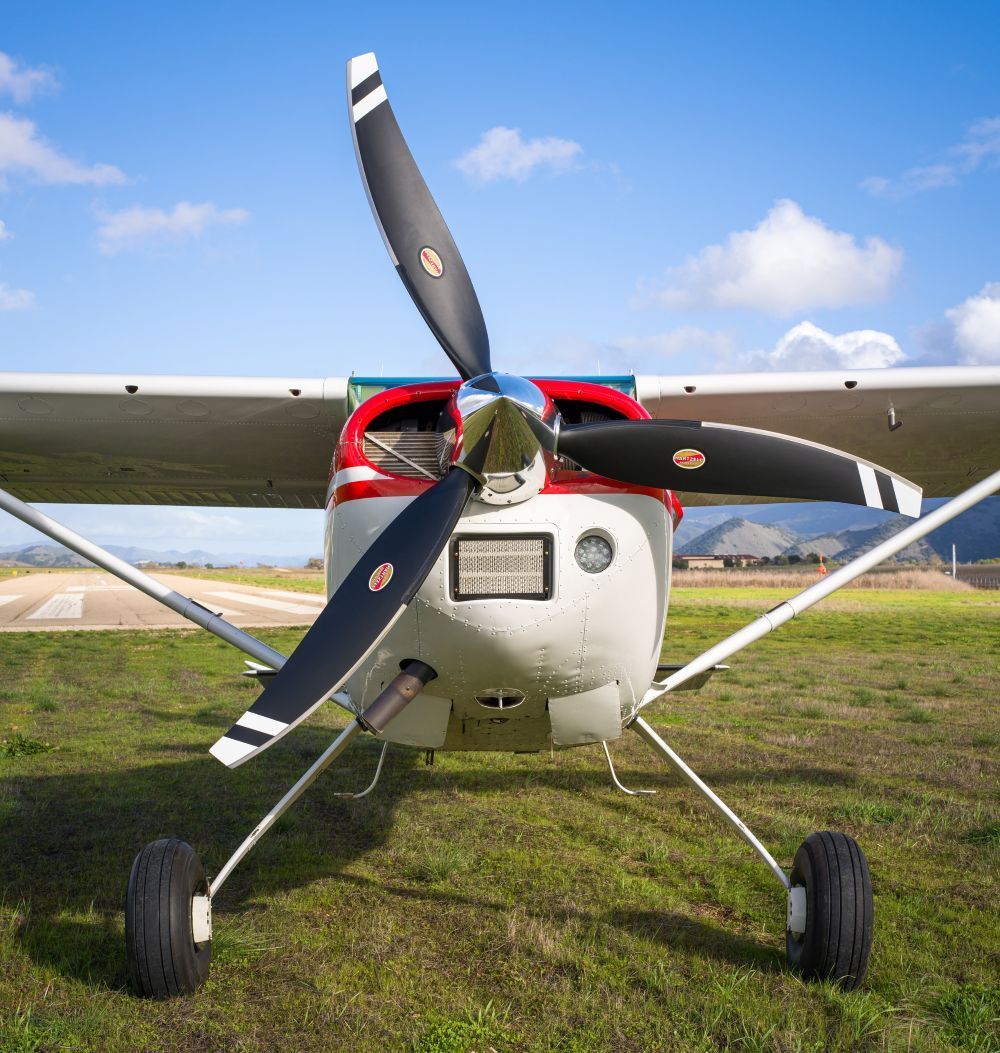
For the sixth year, our friends at Hartzell Propeller have generously extended their popular $1,000 discount for RAF supporters on four backcountry propellers designed for short takeoffs, climb-out power, and short landings in rugged environments. In addition, Hartzell contributes $250 to the RAF for each new Hartzell prop sold due to this special offer now through 2026! “We are so very proud to continue our support for the RAF and backcountry flying,” said JJ Frigge, President of Hartzell Propeller, a Signia Aerospace company. Hartzell Propeller is a global leader in advanced aircraft propeller design and manufacturing. With more than a century of experience, the company designs next-generation propellers with innovative blended airfoil technology. “We love this partnership. It’s a real benefit to current RAF supporters, and a welcome incentive to becoming an RAF supporter,” RAF Chairman John McKenna said. Details on the four propellers can be found here . “Hartzell Propeller’s ongoing commitment directly benefits pilots and helps protect the airstrips that make backcountry flying possible. This is a win for the entire aviation community,” McKenna added. Submitted December 30, 2025.
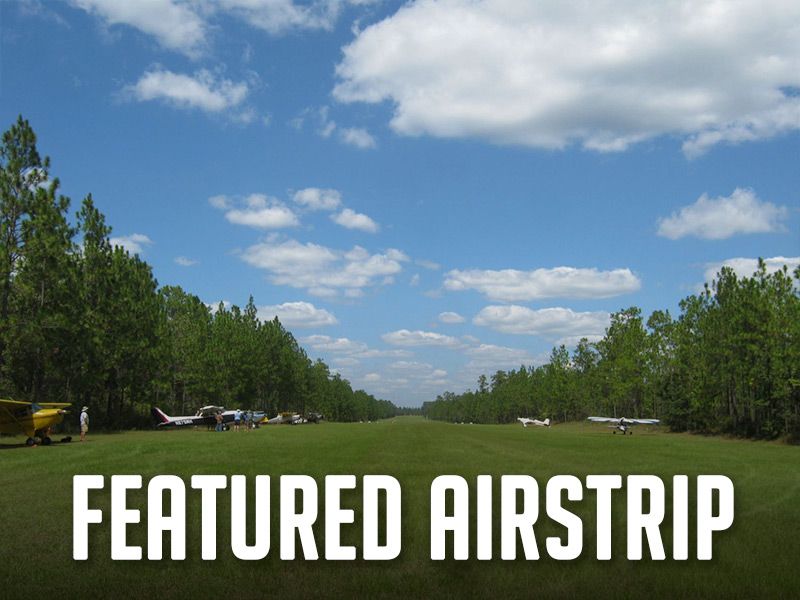
It’s flying season in Florida, and with mild seasonal temperatures and plenty of clear weather, it’s the perfect time to visit Blackwater Airfield, 8FD3 near Munson, FL. About 39 nm northeast of Pensacola, you can roll out on the smooth 4,000-ft turf airfield in the peaceful mixed pine State forest near Krul Lake Recreational Area. For years, the RAF has been especially proud of the many improvements brought about by hardworking volunteers with the help of RAF grants. Dedicated volunteers have worked together to preserve and improve this destination in cooperation with the Florida Department of Forestry. A scenic trail off the south end of the field takes you to 6.5-acre spring-fed Krul Lake for a refreshing dip. Wander a bit farther along the Sweetwater trail to the Sweetwater suspension bridge. Keep going eastward another hour to 107-acre Bear Lake, where a well-maintained trail circles the lake. To facilitate “leave no trace” use, you’ll find dumpsters in the campground. History buffs might enjoy exploring the nearby historic grist mill and Frick sawmill. As the sun dips low, your campfire comes to life, and so might the camaraderie with any others camped there. People gather for friendship and flying stories, and sometimes acoustic music breaks out beneath the starlight. If you happen to have your instrument, you’d be invited to join in! A team of RAF and other local volunteers recently spent a weekend refreshing the amenities, barbecue grills, and runway markings. “Arriving in twenty-one aircraft, it was an impressive turnout and a testament to the draw of Blackwater Field and the RAF community,” RAF Florida Ambassador Shane Hartman said, adding, “The sense of community that defines the RAF was on full display. From shared meals and campfire conversations to new friendships and lasting memories, Blackwater Field once again proved why it is such a special place.” For more information about Blackwater, and the required pre-arrival permission and safety briefing, see the Airfield Guide. By Carmine Mowbray Submitted December 29, 2025.
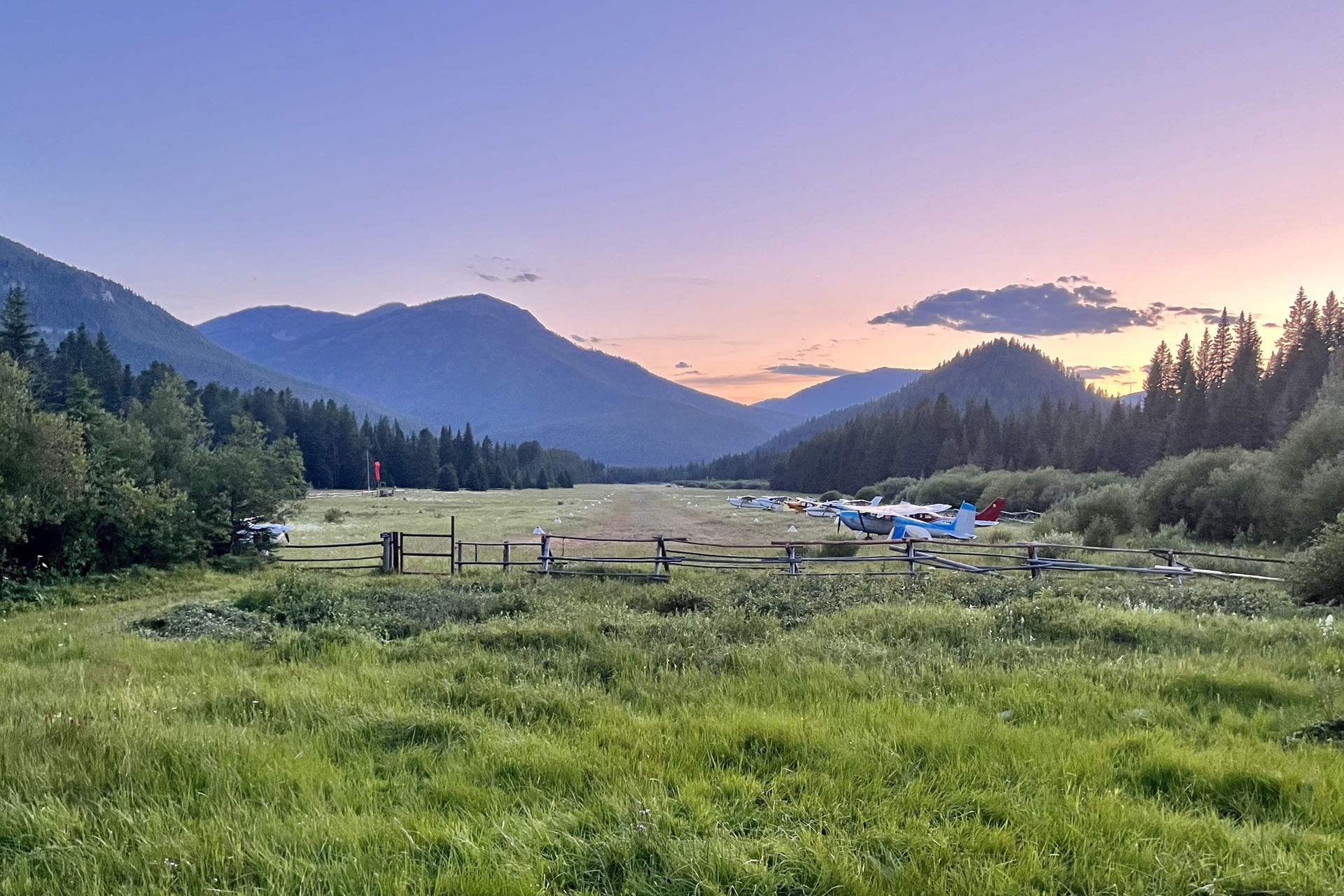
At about this time, every year, we have this conversation at the RAF about what our year end letter (code for asking for your financial support) should say to you, and about the RAF and the accomplishments of the past year.
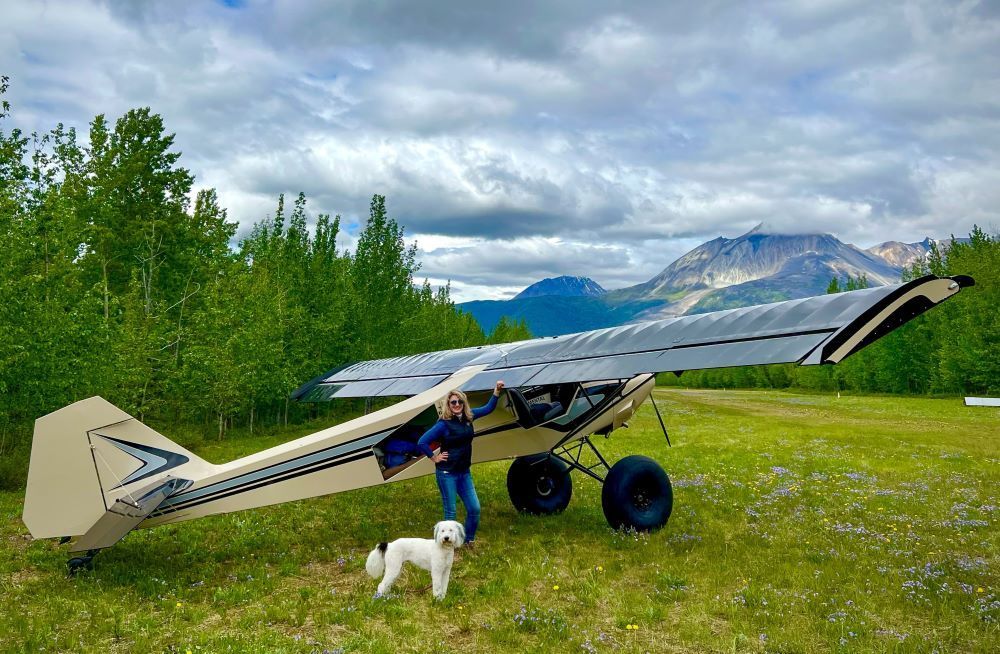
Our many RAF supporters have such vast and varied experience, and we’re capturing some of their words of wisdom to share with you. This guest editorial is by Stef Goza, a pilot and an RAF Alaska liaison.
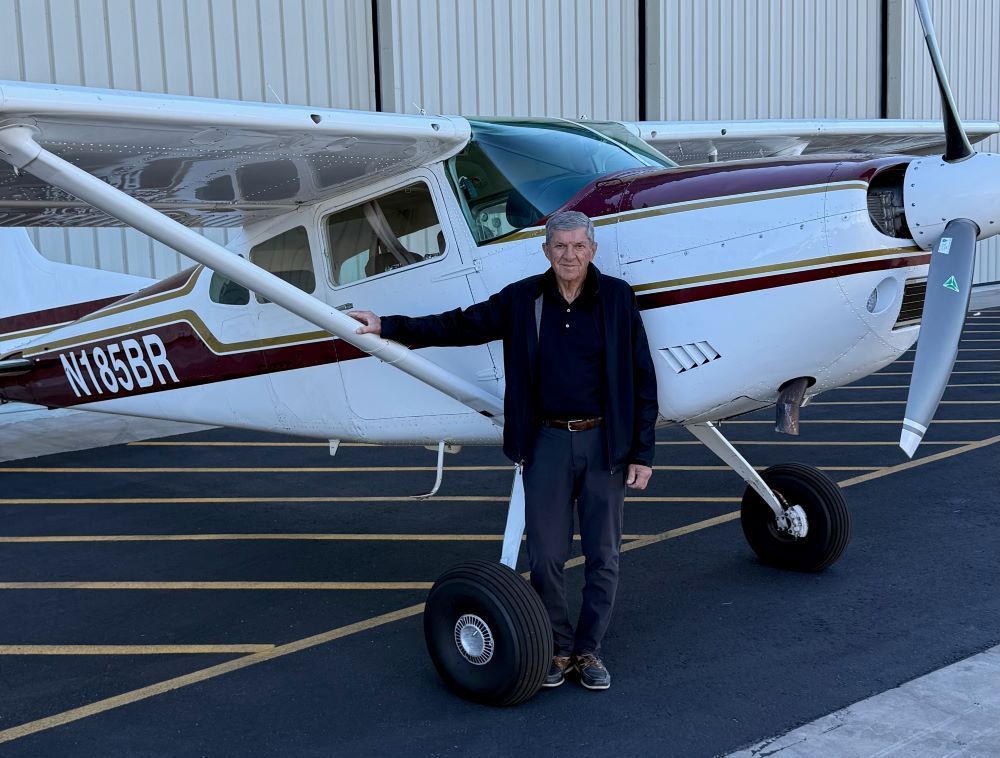
Bill credits aviation for much of his success in business and the ability to serve his companies and family. What began in a Champ, and a Tri-Pacer owned by five people, turned into what Bill calls, “a key business tool” in which he accumulated 9,000 hours – in a Cheyenne, a Pilatus, and a TBM, where ninety-five percent of his flying was for business. “My retirement enabled me to recall ‘Why I Learned to Fly’, a slogan from an old RAF video.” Bill’s son, Patrick, purchased the C185 they now share. “While attending a business function, some associates arrived in corporate jets. As they joined up on the tarmac, the jet pilots gathered around Patrick’s 185, and one of the passengers asked, ‘What’s special about this?’ No explanation needed for this RAF audience,” Bill says. “My involvement in the RAF is, in a partial way, repaying the rewards aviation has endowed me with. Having been involved in many worthwhile nonprofits, this is one where financial support is only part of the picture. Physically participating in great projects that have a lasting effect, with good people, returns a great personal benefit,” he says. “My only regret is that I wasn’t there at the start.” Bill and his wife Jane are privileged to be able to split time between their long-time home in eastern Nebraska and Scottsdale, Arizona. While still serving on several boards, he enjoys golf “about every third shot,” biking, cars, and reading, but always looks forward to the time he can be involved in the RAF. “It’s flying with a purpose,” he adds. Bill can be reached at bdugan@theraf.org
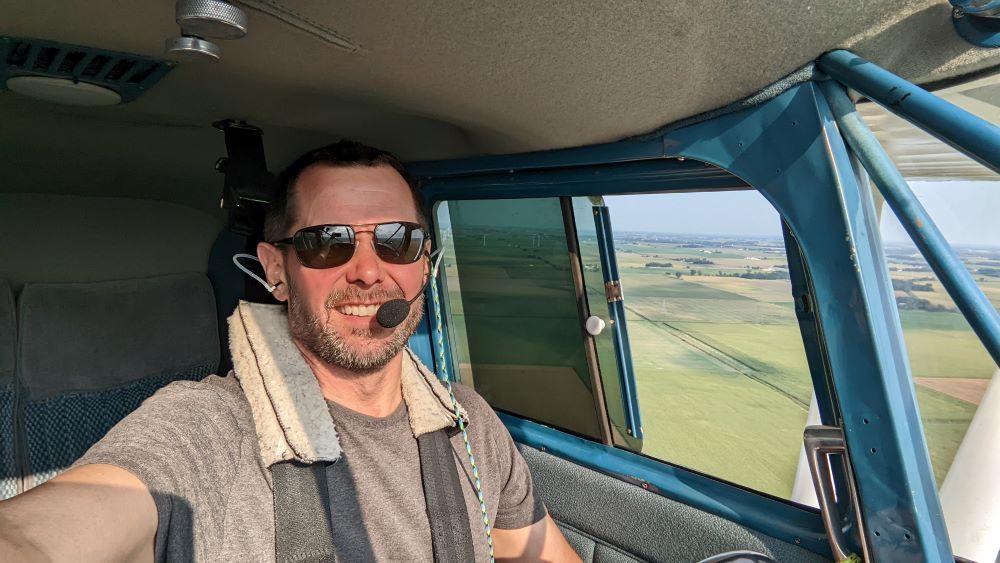
A Christmas gift of flight lessons from his parents started Scott Anttila’s aviation journey in 1985. “I learned at Johnson Field, a small grass strip tucked into the woods in Michigan’s Upper Peninsula, and that early exposure to simple backcountry flying stuck with me,” Scott says. Growing up in the U.P., he spent a lot of time outdoors and found that flying was another way to get to the places he liked to explore—especially the ones most people never saw. As he earned more ratings and eventually moved to the Detroit area for work, Scott realized he needed a way to stay connected to northern Michigan. He bought an airplane and used it to get back to the smaller airstrips and lake country he enjoyed. Along the way, he also flew gliders out of Frankfort, soaring along the Sleeping Bear Dunes and towing sailplanes over the Great Lakes. “Those flights gave me a different appreciation for the landscape and made me even more interested in the small, out-of-the-way airports scattered around the state,” he says. Visiting those kinds of places, Scott first came across the Recreational Aviation Foundation. He started using RAF-supported airstrips both inside and outside Michigan. “I noticed how well-kept they were and how much access they opened up,” he says, adding, ”Over the years, I’ve watched a number of grass strips close, which made the RAF’s mission feel especially important to me. Maintaining these airstrips keeps aviation connected to the outdoors and makes it possible for more people to reach the quiet, remote areas that inspired me to fly in the first place.” Scott joins the other two RAF Michigan Liaisons, General Grant and Tanmoy Ganguly. He can be reached at santtila@theraf.org . Submitted December 11, 2025.
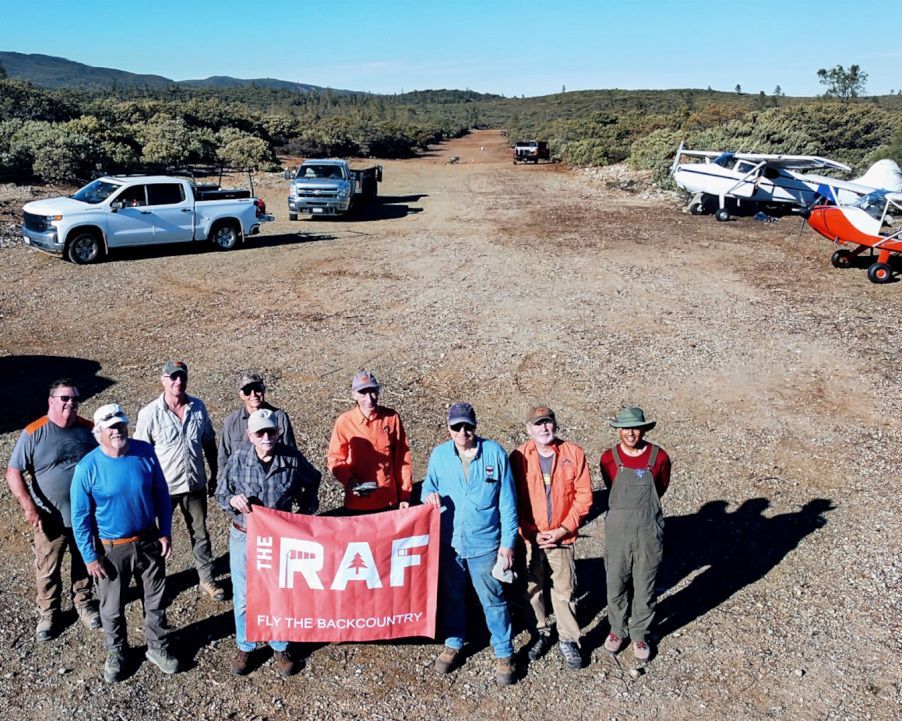
“The word that comes to mind when I think of our second Walker Ridge work party is magical,” RAF California Liaison Doug Lumgair said, "even though it started off again with a truck stuck in the mud.” Volunteers began arriving Friday afternoon in a tailwheel Rans, a Super Cub, and Lumgair in his Cessna 170. A pickup with a big dump trailer brought the Polaris Ranger, and more pickups arrived. The runway surface posed major problems with boulders protruding from the surface. Everyone was eager to get started with pry bars and remove them. Once they fired up the generators to power the hammer drills, they discovered that this was the best method for attacking the rocks below the surface and breaking them up into pieces that they loaded into the trailer for removal. “At times, it felt like we had taken on an impossible task. But with steady work and persistence, by afternoon, we began to see the light at the end of the tunnel,” Lumgair said. In the Friday evening fire circle, they made new friends while sitting around a propane fire pit that had been cleverly transformed into a radiant heater by placing a washing-machine drum over it. Walker Ridge lies in a dark-sky area. Before the full supermoon rose, Lumgair said they could see the Milky Way with the naked eye. The campsite at the south end of Walker Ridge has a gorgeous view of the valley, and the view became “even more breathtaking as Central Valley tule fog filled the valley and the supermoon lit the fog, creating a shimmering white lake.” Lumgair said. Saturday morning, two crews quickly organized with hammer drills, and others began cutting brush along the runway edges. Volunteers had already removed what Lumgair called an incredible amount of brush during their first work party, but Saturday, they hauled out twelve more trailer loads. Late on Saturday, they had enough time to work on the rock outcroppings in the south turnaround area as well. "It was amazing that we were able to cut and haul so much brush and break down rocks and fill the resulting holes—all in one steady, hard-working day. Thank you very much to everyone for supporting the RAF in so many ways,” he said. Some stayed Saturday night to enjoy another beautiful evening. Work remains, and Lumgair is planning more work parties in the coming year to complete further improvements, some of which will require additional approval from the BLM. “Please let me know if you get up there this winter. I’d love to hear your thoughts and see any photos of your experience, Lumgair added. Doug Lumgair can be reached at dlumgair@theraf.org . Submitted December 11, 2025.
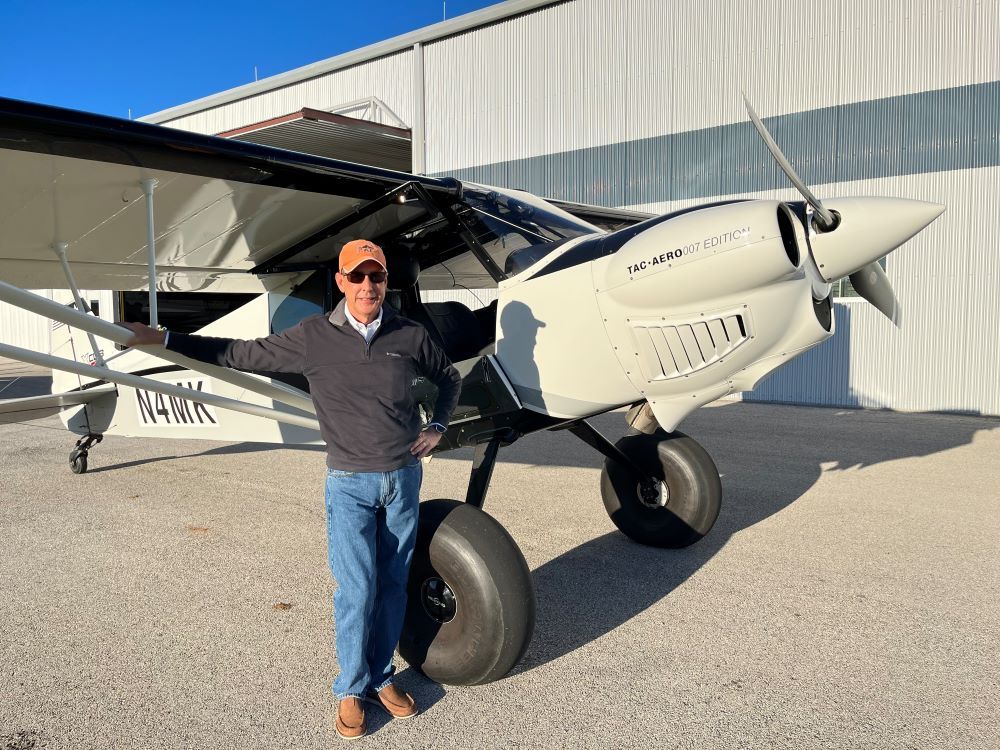
Chris Nugent, Arizona Pilots Association President, calls himself a “lifelong aviation geek” and has the CV to show it. He’d flown a J-3 in high school, then laid aside his flight aspirations for family and his demanding career. His aviation experience spans from simple stick and rudder, a glider rating, to building parts for Mars Rovers and Apollo launch vehicles during a 40-year career in aerospace engineering, including two decades at the Naval Test Center at Patuxent River, Maryland. He retired after serving as chief engineer for Pacific Scientific in Phoenix, building inertial reels, restraint harnesses, and explosive devices for ejection seats. His wife then encouraged his own aviation journey with a gift of five flight training hours. When Chris entered the flight school, he spotted a Carbon Cub, and said to his instructor, “Let’s fly that instead of the Cherokee!” That preference led him to his embrace of everything the RAF does to preserve places a Cub might fly. Chris’s wife supported his decision to buy a Carbon Cub, and he never looked back with longing for anything else. “Experimental is the way to go,” he says, adding, “I don’t need permission to perform maintenance.” He also got his glider rating, since Arizona is the ideal place for training. Now his grandson is pursuing that rating, “A good foundation for tailwheel flying,” Chris added. Engaging with the Arizona Pilots Association and the RAF deepens his aviation interests, and he pitches in on the collaborative work parties. “We just had a maintenance weekend at Grapevine. It was really productive,” he said. Thanks to RAF Arizona Liaison Mark Spencer and Tommy Thomason, who built a great working relationship with the US Forest Service, the District Ranger approves these volunteers to maintain the strips, saying, “Let us know if you need anything.” Chris was pleased with the RAF's work to organize a necessary architectural study for the bunkhouse at Double Circle Ranch, another USFS strip. Following the study, work will be planned to preserve the structure for pilots’ overnight use. Chris finds joy in more than flying and working together. He is serving as APA President, and is especially proud that since its founding in 1978, the membership has funded significant scholarships for dozens of young people interested in flight and aviation maintenance. Just this year, members contributed enough for ten $3,000 awards. APA also has a dedicated backcountry committee that works hard statewide to preserve its recreational strips."We are grateful for our relationship with the RAF, which is awesome,” he says. In October, Chris attended an RAF educational conference in Silver City, New Mexico, and said, “I was impressed with the RAF's leadership and their commitment to the mission. It’s a good model to follow.” “I’d rather spend more time on scholarships and backcountry stuff,” he says, but he is also working hard to push back on proposed landing fees at Falcon Field, where he keeps his Carbon Cub and the J-3 he flew in high school. He also joined the MOSAIC initiative to broaden Sport Pilot privileges and expand Light Sport Aircraft size, weight, and speed specs. If you see Chris at one of his many aviation engagements, be sure to thank him for his devotion and advocacy to further both the RAF and APA missions. By Carmine Mowbray Submitted December 15, 2025
Recent Posts

THE RAF SPRING SALE IS HERE! Gear up for the flying season ahead! For a limited time, take up to 30% off a selection of RAF Outfitter gear. Show off your support for the RAF and head into the summer flying season in style. Our Spring Sale includes items from Stio and Kuhl, along with hats, jackets, accessories, and more. Check it out before they are gone! Shop the Spring Sale here.
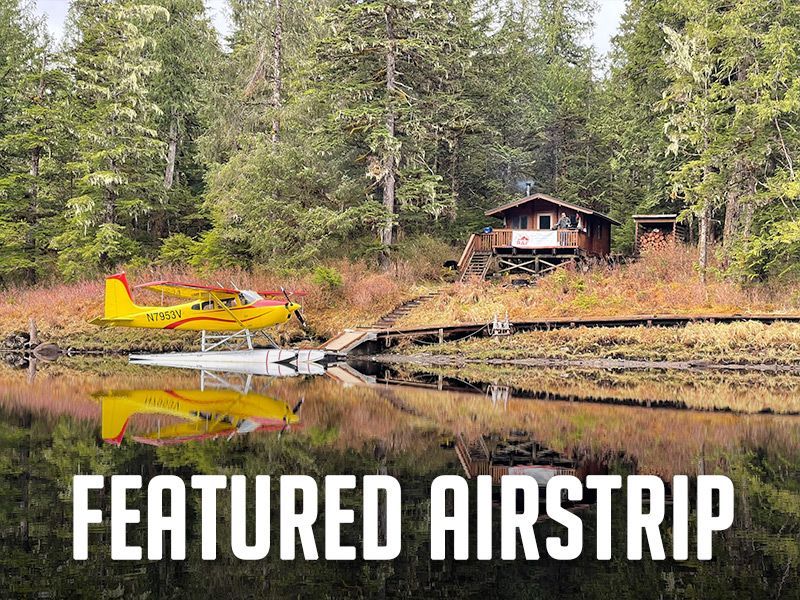
There are two fly-in public use cabins on Heckman Lake in the Ketchikan Misty Fjords Ranger District of Alaska. Both are approximately 15 miles from Ketchikan, and open year-round to welcome visitors for what RAF Alaska Liaison Jeff DeFreest calls “a very unique remote recreational experience. Relaxing on the deck gives you a view of the lake, surrounded by the Sitka Spruce and western hemlock forest.” Either site can be accessed by float plane or by boating into Naha Bay. Each cabin has a table, benches, a wood stove, and an outhouse. Guests should bring their own firewood, as it is not guaranteed. Drinking water is not available; guests should treat the creek or lake water, or bring their own. Southeast Heckman Fly-In Cabin is situated on the southeast shore of Heckman Lake and is only accessible by floatplane. The 16x22-ft pan-abode style log cabin accommodates eight people and is wheelchair accessible. In 2024, the RAF and Seaplane Pilots Association provided grants to restore the cabin. Volunteers, assisted by Misty Fjords Air, collaborated with the US Forest Service to complete work on the cabin, dock, outhouse, and trails. The other cabin is a 12x14-ft pan-abode style that can accommodate up to six people. It can be accessed by float plane or by boating into Naha Bay and hiking six miles on the Naha River National Recreation Trail. Visitors may use the 14-foot aluminum skiff with oars or bring their own short shaft motor. The Naha River is accessible from the cabins and provides opportunities to fish for trout. In season, there are steelhead and salmon runs. The Naha River National Recreation Trail winds downstream six miles through a rainforest where you may spot Roosevelt Lagoon, Jordan Lake, and a waterfall on your way to Naha Bay. Visitors would be wise to bring extra provisions, as occasionally, poor weather can cause extended stays. The RAF Airfield Guide includes information on these cabins. Recreation.gov allows visitors to check availability and find other USFS information on the Southeast Heckman Lake fly-in cabin and Heckman Lake cabin . Submitted April 30, 2026
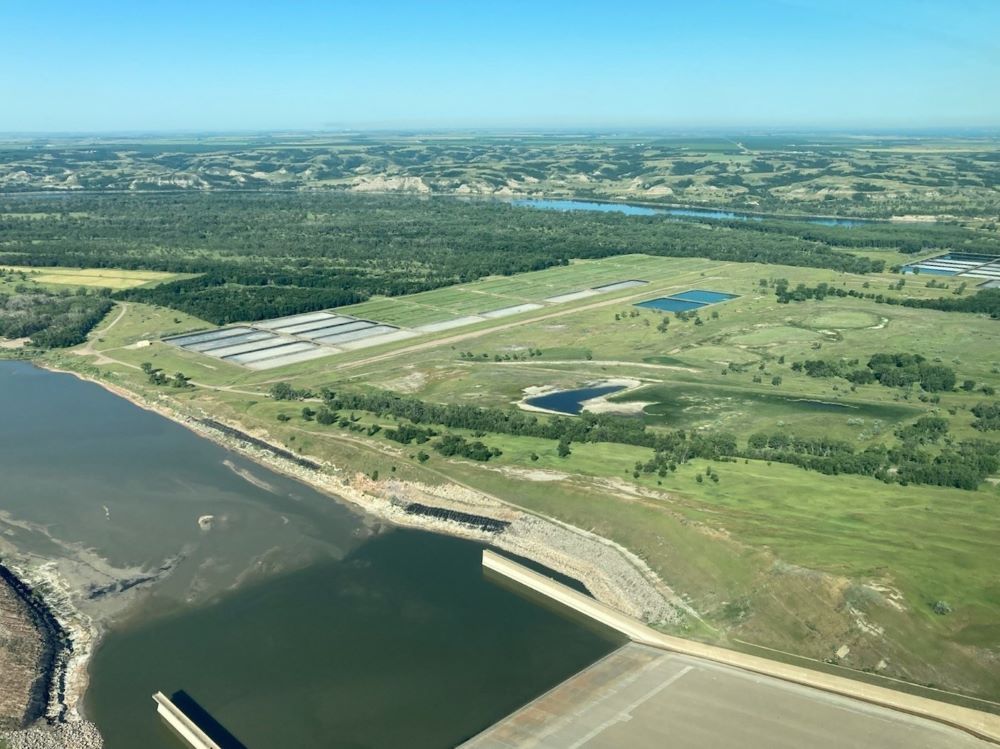
RAF North Dakota Liaison Brian Rau and Ambassador Jeff Faught have been working with the Army Corps of Engineers and North Dakota Aeronautics Commission to develop an underwing camping area at Garrison Dam Recreational Airport (37N). Rau presented a plan to convert an adjacent day-use park with flush toilets, a picnic area, horseshoe and basketball facilities for the camping area. He gained approval from the Corps of Engineers and ND Aeronautics and was awarded an RAF grant to help with the project. “Garrison Dam Recreational Airpark is an excellent existing recreational airstrip. There is fishing, hunting, and hiking available adjacent to the proposed underwing camping area,” Rau said. The ND Aeronautics Commission will develop an existing road into a taxiway to connect the 3,200-ft long turf runway to the new camping area. The Commission has finalized its plans and has awarded the work to a contractor. Rau and Faught will organize volunteers to install signage, remove trees, grind stumps, prepare the camping and tie-down surface areas, install drain tile, and plant 75 new trees. Rau expects the contractors to begin work in June 2026. See the RAF Airfield Guide for information on Garrison Dam Recreational Airport. Submitted April 30, 2026
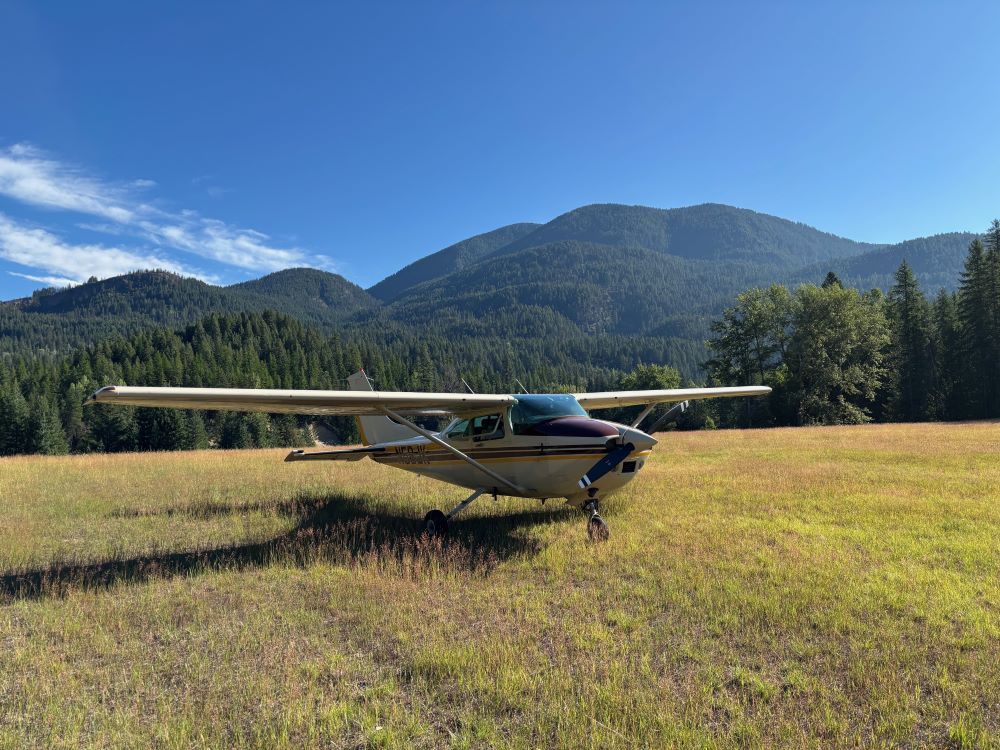
The RAF has done a deep dive into all 50 states’ Recreational Use Statutes, and you can find them here . The purpose of these statutes is to help keep private lands open to the public for recreation by limiting landowner liability. In its advocacy of recreational aviation, the RAF has made efforts to increase landowners’ protection when allowing others to use their airfields. With added protection, landowners are more willing to open their airfields to public use, with or without certain conditions. Thanks to these efforts, many states now include “aviation” in the named recreational, non-commercial activities in their Recreational Statutes; some states are more general. We invite you to check out your state’s legal language, or feel free to contact either of the RAF’s RUS Liaisons, John Nadeau at jnadeau@theraf.org or Rick McCraw at rmccraw@theraf.org . Our efforts continue to include “aviation” in all states’ statutes, so this information will be updated as needed. Submitted April 30, 2026 By Carmine Mowbray Photo Credit: Ron Barrett, Sullivan Lake, WA
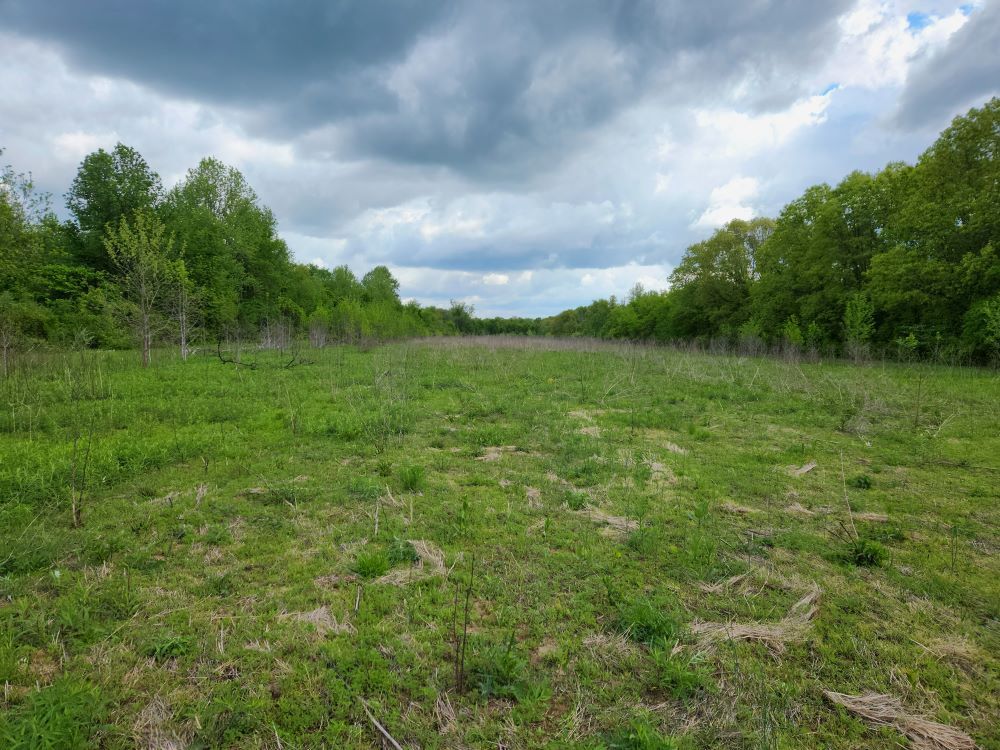
Giant City State Park in southern Illinois has posted a survey asking for public comment on reopening its backcountry airstrip. Your RAF Illinois State Liaison, Mike Purpura, and Illinois Ambassador Dave Warner have diligently worked for several years to bring this exciting project to fruition. This recreational asset will provide access to a place in southern Illinois with distinctive geography, geology, and plant and animal diversity. The State Park offers abundant fishing, hunting, and hiking opportunities throughout its 4,000+ acres. Giant City airstrip stands to be a true gem in the region for pilots if opened back up for public use. Your Help is Needed Click on the link below to access the Community Feedback Survey and provide comments supporting the reopening of the airstrip.