WORTH THE READ: STEF GOZA GUEST EDITORIAL
Our many RAF supporters have such vast and varied experience, and we’re capturing some of their words of wisdom to share with you. This guest editorial is by Stef Goza, a pilot and an RAF Alaska liaison.
Backcountry Etiquette: Balancing Freedom and Responsibility
Flying in the backcountry is a privilege. It’s one that comes with a responsibility we don’t talk about enough: being a good steward.
Being a good steward isn’t complicated, and most of it is just common sense. It’s being aware of your prop wash so you’re not blasting someone’s tent into the bushes. It’s packing out what you brought in. It’s spending time at the place you just landed instead of racing off to the next “best” spot. It’s knowing that your actions, both in the air and on
the ground, speak for all of us who love backcountry flying.
Etiquette isn’t something written down; it’s something you learn from watching, listening, and caring enough to do it right.
My relationship with the backcountry is like a trust: something I’ve been given the privilege to care for. Every landing, every campfire, every quiet evening beside the airplane is part of that agreement. I get to enjoy it, but I’m also responsible for taking care of it. That trust is between pilots and the land, between freedom and responsibility.
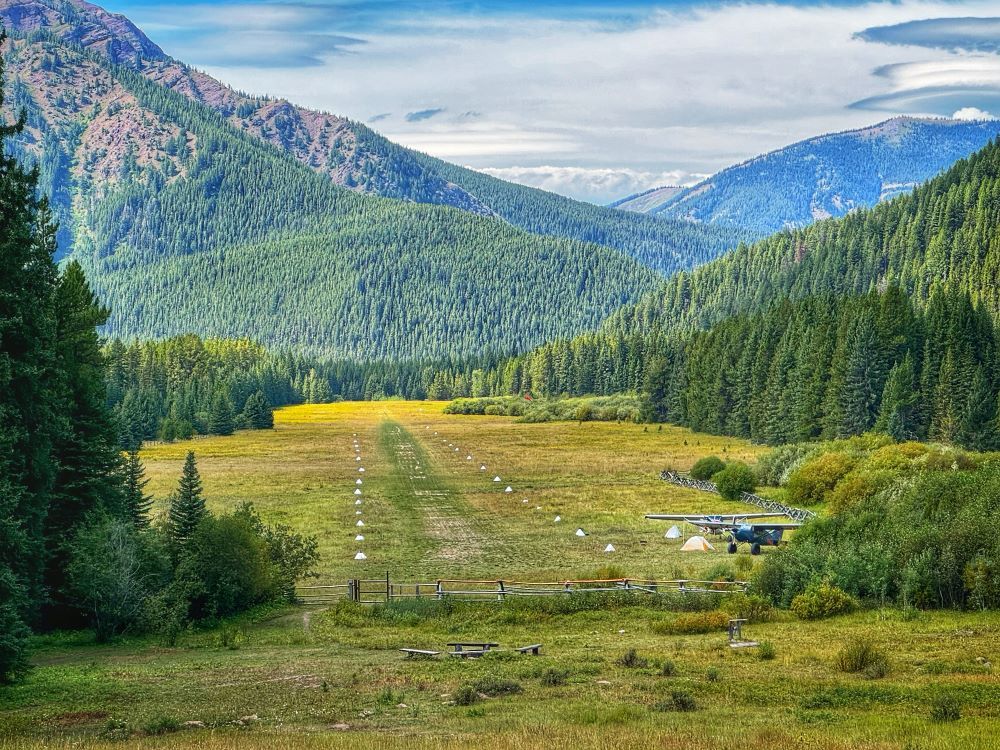
When you camp next to your airplane, listening to the sweet sounds of the wild and wishing that moment would never end – that’s what we’re protecting. The silence. The solitude. The gratitude of realizing how lucky we are to be here.
The next generation of pilots deserves that same experience. The wide-open spaces, the challenge, the beauty of landing somewhere most people will never see. We take care of it not because someone told us to, but because we love it.
Practicing good stewardship starts with preparedness. It begins long before you take off. A solid preflight isn’t about checking boxes. It’s about knowing your airplane, your limits, and the environment you’re stepping into. Preparedness is what earns you the privilege of flying there safely and coming home with good stories instead of lessons learned the hard way.
In addition to packing out what you brought in, bring an extra trash bag and pick up those half-burned cans someone else left behind. It’s not a big deal - it takes two seconds, and it’s one of the simplest ways to be a good backcountry neighbor. Leave it better than you found it.
That also refers to inspecting where you just landed. Take a few minutes to walk the strip, checking for hazards like rocks, ruts, or debris. Noticing washouts or overgrown brush helps land managers, and who knows, your trip report might spark the next RAF work party.
Minimizing your impact isn’t about doing less; it’s about doing better. Be mindful of the marks you leave… from your tire tracks to your campfire ashes. Nobody wants to be the pilot whose ruts are still there two years later.
Being aware of others goes a long way. As more pilots explore the backcountry than ever before and as outdoor recreation continues to grow, awareness and respect matter more than ever. (2025 Outdoor Participation Trends Report)
The backcountry is big enough for all of us if we fly it with intention.
When you’re taxiing, take it slow and notice where your prop wash is headed. Shut down and be willing to push the airplane out of the way instead of blasting everyone with dust. Give others space on the strip. Be mindful of your surroundings and of those who are sharing it with you. Stay awhile and enjoy it.
Because at the end of the day, good airmanship in the backcountry isn’t just about how you handle the airplane; it’s about how you handle the privilege of being there.
Aviation author, Michael Maya Charles, once wrote, “…our approach to flying should be the same, as if someone is watching us, evaluating our every move. Because they are. No matter where we step, we leave footprints in the sand.” (1992, January. What makes a pro. Flying Magazine.)
Most of us started flying the backcountry because it makes us feel alive: the quiet, the challenge, the way the light hits the mountains while you’re sitting by your airplane, coffee in hand, thinking, I can’t believe I get to be here. That’s what we’re protecting.
The backcountry: fly it like you want to keep it…forever.
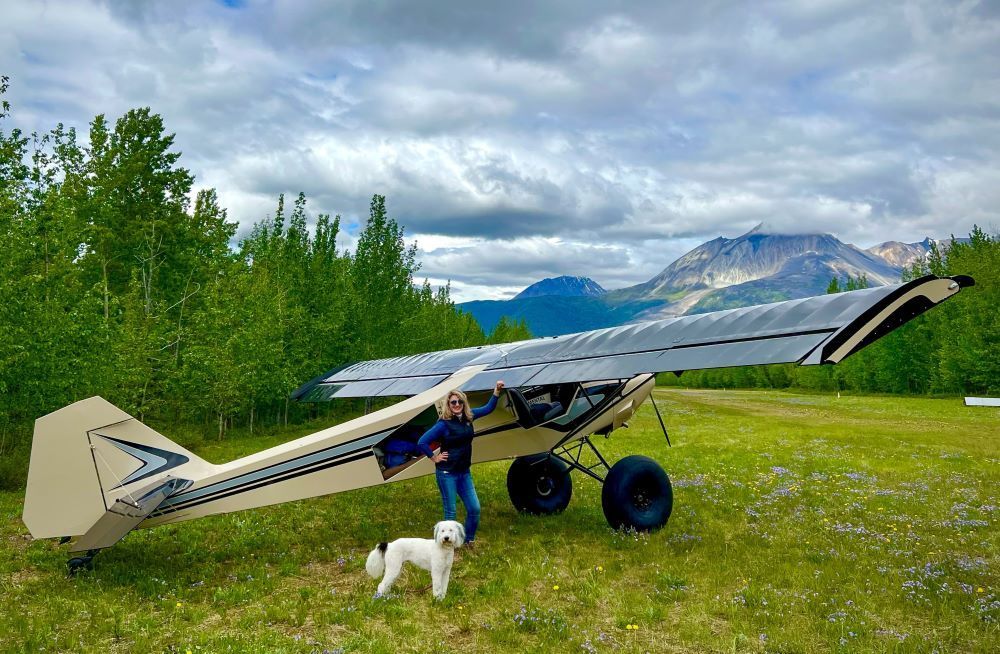
Stef Goza learned to fly as a teenager in Iowa and eventually found her way north to Alaska, where the freedom of backcountry flying became part of her everyday life. She serves as one of the Alaska State Liaisons for the Recreational Aviation Foundation and the Chair of her local 99s Chapter.
With a background in leadership, mentoring, and community outreach, Stef brings a practical approach to aviation advocacy, working to strengthen connections within the general aviation community. Stef enjoys exploring the backcountry with her husband and capturing the beauty of their adventures through her award-winning photography.
Submitted December 23, 2025
Posted in Guest Editorial, News
Recent Posts