Featured Airstrip
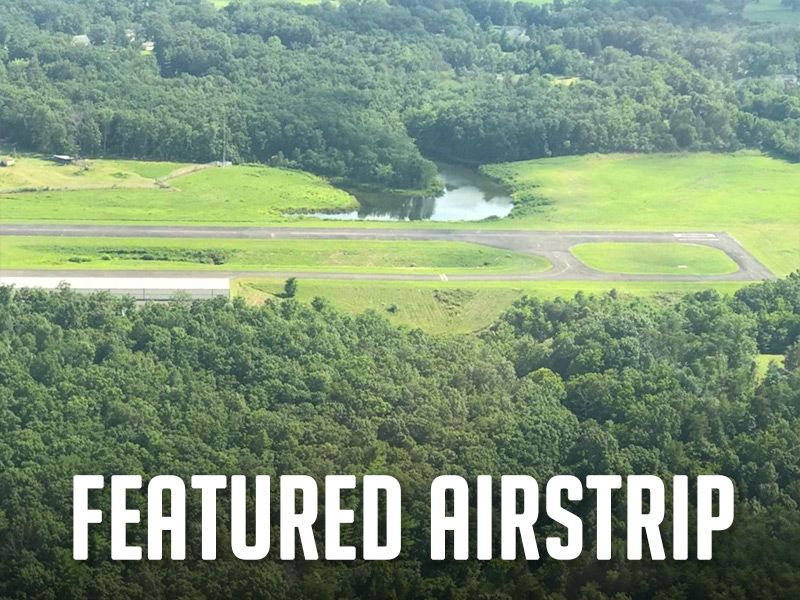
Virginia’s Front Royal-Warren County Airport lies just beyond the busy Washington ADIZ, less than 60 nm west of the congestion of Ronald Reagan International. You’ll land with the scenic backdrop of the Shenandoah Valley as the Shenandoah River winds past the iconic Blue Ridge and Massanutten Mountains. This is your ideal opportunity to land, camp, and enjoy hiking or biking the beautiful trails in George Washington National Park, just two miles away. RAF Virginia Liaison Paul Kosubinsky serves as chair of the Front Royal–Warren County Airport Commission, and knows why folks love to land there. “It’s a great little airport with a lot to offer," he says. "KFRR is the gateway to Shenandoah National Park and the Appalachian Trail, with lots of camping, hiking, canoeing, and horseback riding. It’s the best way to access all those great amenities.” Many pilots fly into KFRR and spend a night at the campsite either prior to or after hiking. Front Royal is an “AT Community,” welcoming Appalachian Trail hikers who are likely to experience what’s called “trail magic,” assistance from local strangers like a ride into town for supplies, encouragement, and other kind actions. In May 2026, Kosubinsky organized a work party with volunteers from his airport commission and the RAF. “The campsite has been transformed into a welcoming destination that pilots and campers will enjoy for years to come,” he says. They installed a new RAF-branded fire ring and stacked plenty of firewood. Fly-in campers will enjoy water, electricity, and restrooms. There is a fishing pond on the southwest corner of the property (license required). This public use airport has a paved 3,000-ft runway. (It’s hoped that a parallel turf operating area may be a future option.) Visitors have full-time access to the small terminal building. “We have a courtesy car and the cheapest fuel in the area,” Kosubinsky adds. The airport hosts active skydiving and soaring clubs, annual Wings and Wheels gatherings, and aircraft service and flight training is available. Find more on the Front Royal-Warren County Airport in the Airfield Guide . Submitted September 1, 2026 By Carmine Mowbray
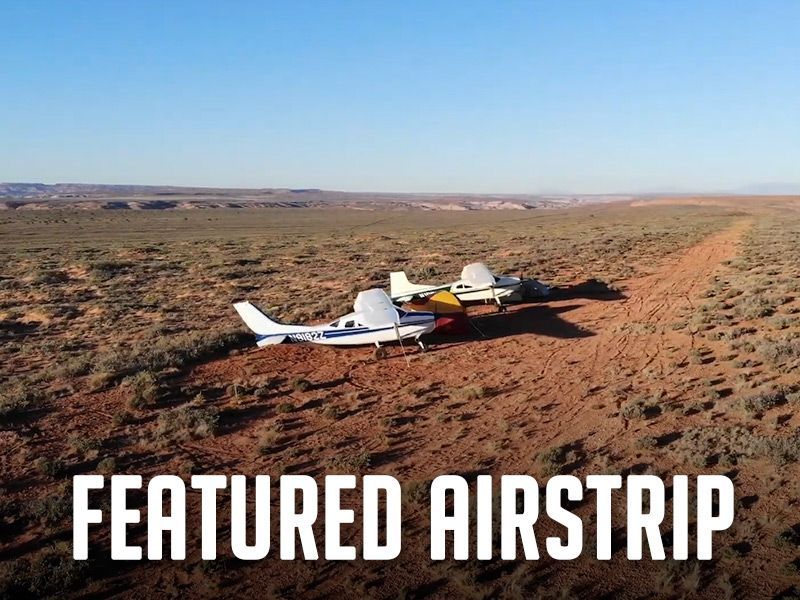
Some outdoor enthusiasts experience Utah’s Labyrinth Canyon Wilderness from the flat and peaceful water of the Green River as it goosenecks between Navajo Sandstone canyon walls, spires, and side arches. From a vantage high above, this region of stunning geologic and cultural wonders is equally as stunning. Thanks to the diligence of the RAF’s Utah Liaison Wendy Lessig, pilots may now land on a mesa overlooking the vast San Rafael Desert at Keg Knoll airstrip. This public airstrip is truly a gateway to some of Utah's most remarkable canyon country near Horseshoe Canyon and Canyonlands National Parks, offering a quiet alternative to the busy national park trails. Lessig led an effort over the past three years to advocate for the reopening of Keg Knoll airstrip. Various meetings were organized with the BLM to explore whether the airstrip could be reopened as allowed by the Wilderness Act, leading to the BLM's decision to authorize public access earlier this year. Lessig is planning a work party at Keg Knoll this fall with BLM and Utah Back Country Pilots to further improve the airstrip. Keg Knoll Airstrip has outstanding recreational value and offers pilots ready access to a true wilderness experience. Trails take visitors past ancient stories etched in desert varnish and painted on stone. Or to Colonnade Arch – just two miles from the airstrip – much-photographed for its five time-honed windows in the sandstone. Pilots are reminded that this airstrip lies within a Wilderness Area and all wilderness rules apply, including leaving all motorized and mechanized devices at home; no bicycles, drones, power tools, etc. The southwest 700 feet of the original airstrip is closed to aircraft due to sensitive vegetation. Those seeking a remote, dark sky experience should put Keg Knoll on their travel plan. Bring your self-reliance, and leave nothing behind. The RAF is thrilled that this airstrip has opened this year as part of its nationwide Expanding the Map initiative. Find out more about Keg Knoll airstrip in the Airfield Guide and on our dedicated web page . Submitted August 28, 2026 By Carmine Mowbray
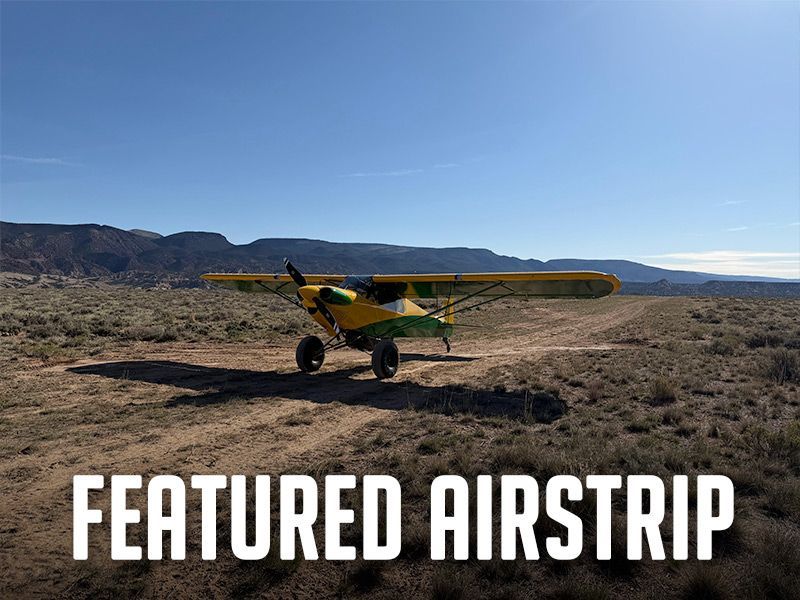
Landing and camping at Taylor Flat airstrip puts your tent only a stone’s throw from the wild and scenic Green River, as it carves through spectacular Utah canyons. You can tie down and camp under your wing along the north side of the airstrip, or walk to the river and camp. Just 34 nm northeast of Vernal, you can now land at this high, remote BLM airstrip and enjoy its world-class fly fishing, but be sure to get your license before you arrive. If you packed your kayak or inflatable, there’s a boat ramp just west of the public campground. An easy 1.8-mile walk from the airstrip takes you to the historic 1880 John Jarvie Ranch, an open-air museum with hands-on exhibits showing pioneer ranch life in this remote northeast corner of Utah. This airstrip had lain dormant for thirty years, and is now open for public non-commercial use, thanks to pilots who recognized its special recreational value. The RAF worked through the steps to see that the BLM reopened it. One restoration work weekend brought twenty-five volunteers from both Utah Back Country Pilots (UBCP) and the RAF who hand-picked rocks from the airstrip, painted them, and used them to mark the runway corners and thresholds. UBCP provided a new windsock pole for the new RAF windsock. RAF Utah Liaison Wendy Lessig said, “It was another demonstration of working together toward the same goal.” There are no other amenities, so be prepared with what you need, and as always, please pack everything out. Those using the airstrip are asked to be mindful of the sensitive environmental area, marked with 16-ft X’s, creating a displaced threshold on the east end of the dirt runway. The useable runway length is 2,500 feet, and the field elevation is 5,630. The area east of the runway is hazardous to aircraft operations. In addition to being a sensitive environmental area, it. is cross-crossed with ditches, and is not safe for aircraft use. Taylor Flat is another special recreational destination for pilots to visit as RAF works across the country on Expanding The Map! Find more on Taylor Flat in the Airfield Guide . You may also find user reports here on the UBCP website . Submitted July 31, 2026 By Carmine Mowbray
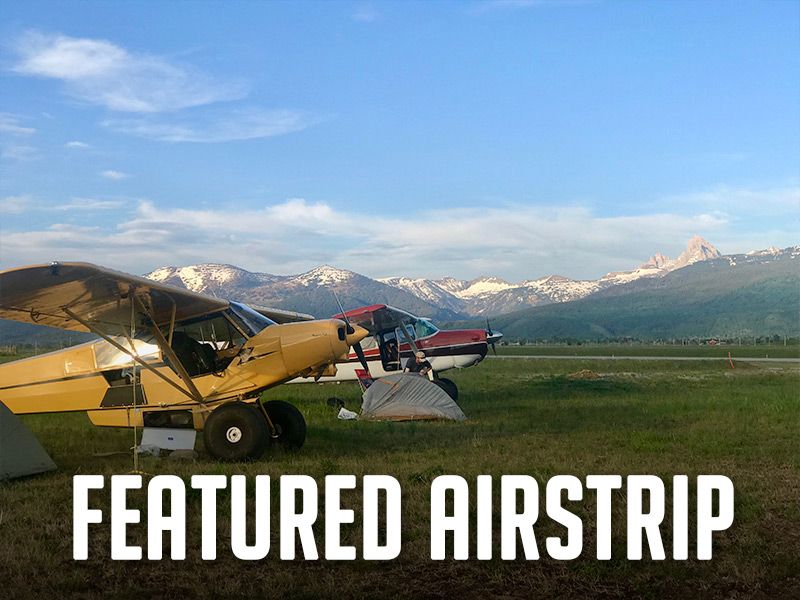
You’d have a hard time finding a more beautiful place to fly than Driggs-Reed Memorial Airport (KDIJ). The Grand Teton, Big Hole, and Snake River mountain ranges surround this eastern Idaho valley. Driggs has become a world-class destination for the pilot community. National Geographic magazine listed Driggs as “one of the ten best outdoor recreation destinations in the U.S.” Just a 45-minute drive over Teton Pass is Jackson, Wyoming, a famous Western destination. The airport, at an elevation of 6,257, accommodates aircraft on both its 7,300-ft paved runway and 3,000-ft turf landing area, marked with cones. Note: The SW 3,451 feet of the paved runway is closed until August for reconstruction. Check NOTAMS before landing. Fly-in visitors are welcome to camp underwing at its grassy tie-down area. It’s an ideal gateway to the Idaho backcountry. Enjoy views of the nearby Teton Range from the 12' x 16' cedar pilot shelter. There is potable water, a toilet, power, a gas barbecue, and a charging station nearby. Within walking distance of the campground is the Forage restaurant. A bike shed and loaner bikes, provided by the Idaho Aviation Association Borrow-A-Bike program, are available to ride into town. If you desire a more urban experience or wish to explore further, the airport has rental cars. “It’s a great destination for the pilot community, with access to hiking, biking, fishing, floating, golf and a small town with numerous shops and restaurants,” RAF Director and Driggs resident Tim Riley says. He and a local RAF supporter recently completed a spring cleanup to ready it for the season. The amenities were provided cooperatively through the RAF, the Idaho Aviation Association (IAA), the City of Driggs, and its Airport Board, with financial contributions from each. For more information on Driggs, see the Airfield Guide . Submitted July 1, 2026 By Carmine Mowbray
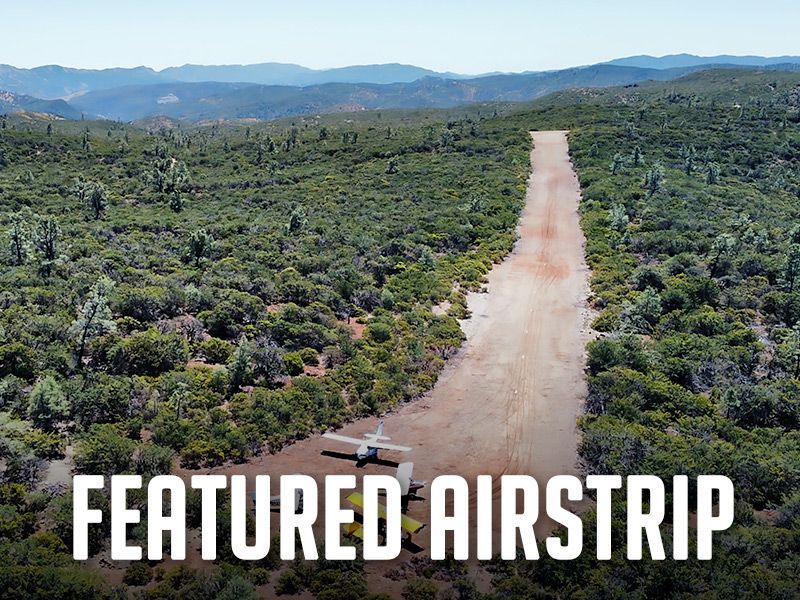
Thanks to the efforts of RAF California Liaison Doug Lumgair and dedicated volunteers, an abandoned, overgrown airstrip on BLM land has been reclaimed from encroaching vegetation. Now known as Walker Ridge, this northern California airstrip offers a remote, secluded experience within easy reach of pilots in the Sacramento/Central Valley and San Francisco Bay regions. Camping at the south end of the 1,800-ft strip offers a gorgeous view of the valley — and after dark, with no artificial lighting for miles, the night sky turns breathtaking. The recreational opportunities at this airstrip are plenty. Hunting is allowed in the area, which includes deer, wild boar, turkey, and quail. Along with this, biking and hiking trails surround the area, with a main trail that is located right next to the airstrip. Not far from Walker Ridge is Wilbur Hot Springs, a natural hot mineral spring centered within a nature preserve, and open to the public on a reservation basis. Lumgair’s organized work parties have been described as “magical” — as the stunning setting makes a deep impression on everyone. Pitch your tent and enjoy the valley overlook— beautiful at any time of day, especially because no structures are visible. Lumgair prepared a detailed work proposal for the BLM, and monitored the request throughout the agency's approval process. By October 2025, the RAF obtained approval to reclaim and rehabilitate the airstrip for increased safety and recreational access. The initial work on the overgrown strip proved challenging, beginning with the rough drive to the site and throughout the arduous removal of protruding boulders right in the runway. Now, the strip is usable by most backcountry-suitable aircraft, and pilots comfortable with a narrow runway. Please see the Airfield Guide for more information on Walker Ridge and videos. Note that there are no water or bathroom facilities available on site. Read more about Walker Ridge and how the RAF is Expanding The Map here . Submitted June 1, 2026 By Carmine Mowbray
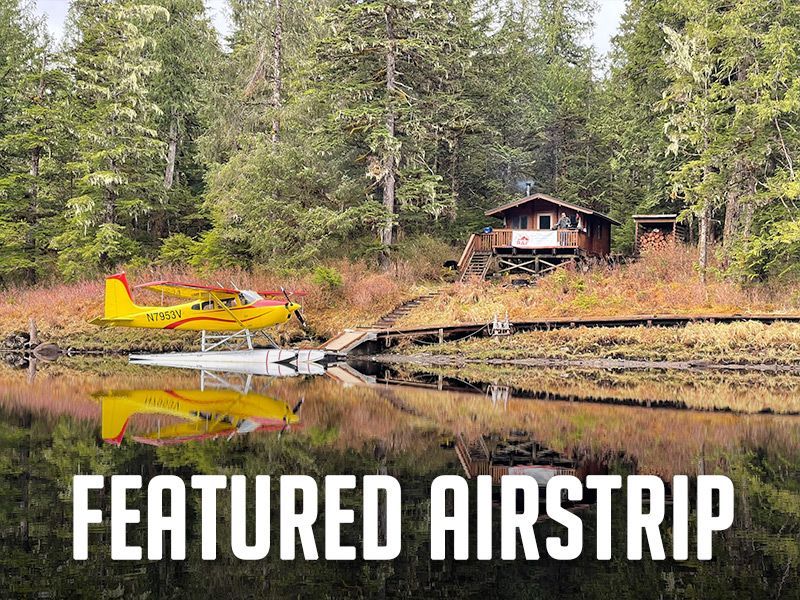
There are two fly-in public use cabins on Heckman Lake in the Ketchikan Misty Fjords Ranger District of Alaska. Both are approximately 15 miles from Ketchikan, and open year-round to welcome visitors for what RAF Alaska Liaison Jeff DeFreest calls “a very unique remote recreational experience. Relaxing on the deck gives you a view of the lake, surrounded by the Sitka Spruce and western hemlock forest.” Either site can be accessed by float plane or by boating into Naha Bay. Each cabin has a table, benches, a wood stove, and an outhouse. Guests should bring their own firewood, as it is not guaranteed. Drinking water is not available; guests should treat the creek or lake water, or bring their own. Southeast Heckman Fly-In Cabin is situated on the southeast shore of Heckman Lake and is only accessible by floatplane. The 16x22-ft pan-abode style log cabin accommodates eight people and is wheelchair accessible. In 2024, the RAF and Seaplane Pilots Association provided grants to restore the cabin. Volunteers, assisted by Misty Fjords Air, collaborated with the US Forest Service to complete work on the cabin, dock, outhouse, and trails. The other cabin is a 12x14-ft pan-abode style that can accommodate up to six people. It can be accessed by float plane or by boating into Naha Bay and hiking six miles on the Naha River National Recreation Trail. Visitors may use the 14-foot aluminum skiff with oars or bring their own short shaft motor. The Naha River is accessible from the cabins and provides opportunities to fish for trout. In season, there are steelhead and salmon runs. The Naha River National Recreation Trail winds downstream six miles through a rainforest where you may spot Roosevelt Lagoon, Jordan Lake, and a waterfall on your way to Naha Bay. Visitors would be wise to bring extra provisions, as occasionally, poor weather can cause extended stays. The RAF Airfield Guide includes information on these cabins. Recreation.gov allows visitors to check availability and find other USFS information on the Southeast Heckman Lake fly-in cabin and Heckman Lake cabin . Submitted April 30, 2026
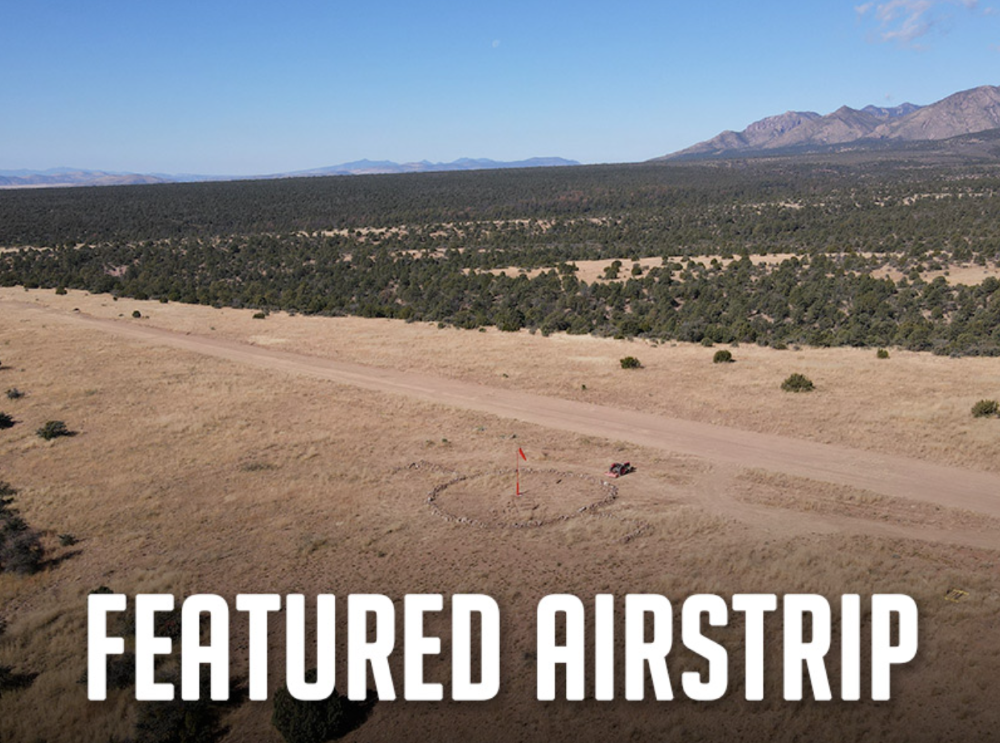
For adventurers seeking access to the Gila Wilderness, we suggest landing at Sacaton Airstrip, NM16, near Buckhorn, New Mexico. The runway lies on a “finger mesa,” and the Rain Creek trailhead lies just northeast of the field. Thanks to RAF New Mexico Liaison Ron Keller's coordination with the USFS using a Cost Share Agreement, Keller was able to organize RAF and New Mexico Pilot Association (NMPA) volunteers to rehabilitate and reopen the long-abandoned airstrip in 2022. Beyond reopening the airstrip, Keller added camping amenities, including picnic tables and a new vault toilet. Most recently, Keller oversaw the installation of new shade structures, most welcoming to campers and hikers. RAF and NMPA volunteers complete ongoing maintenance at Sacaton and other airfields in the Gila National Forest. You’ll see white-painted rocks along Sacaton’s 3,989-ft dirt runway, and surrounding the segmented circle near the RAF windsock. The airstrip lies at 6,200-ft elevation, so pilots should be mindful of density altitude while flying over high terrain in the vicinity, even in winter temperatures. “Anglers will enjoy plying streams for the rare native copper-colored Gila trout, once a threatened species,” Keller reports. The mile-and-a-half trail to the crossing at Rain Creek is narrow and challenging and traverses a variety of terrain, but the serious hiker will be rewarded trekking through steep canyon walls lined with green alder, willow, and boxelder, hoodoos, and eagle aeries above. There are rumors of a double waterfall some distance on the west fork of Rain Creek trail. See the Sacaton page in the Airfield Guide for more details. Note that the airstrip may be unusable due to snow or after heavy rains. This runway should be considered one-way in/one-way out to avoid overflying the Wilderness boundary. There is a 4.6% upslope to the East, favoring landing Runway 08 with right traffic, remaining clear of the Wilderness east and north of the airfield. Please consider others seeking a Wilderness experience. Prior to landing at Sacaton, permission is required by calling the USFS Gila Dispatch center at 800-538-1644. Please familiarize yourself with Sacaton in the Airfield Guide and the New Mexico Pilots Association Safety Briefing . Submitted March 30, 2025 By Carmine Mowbray
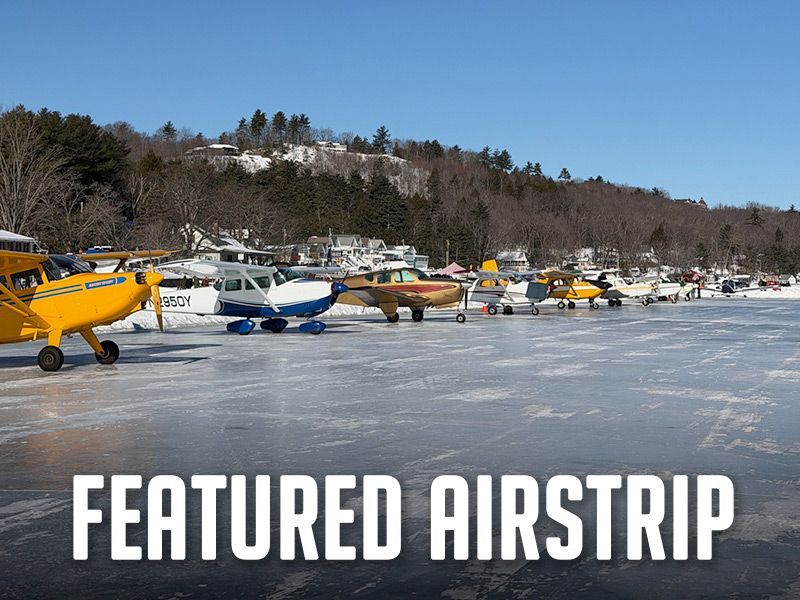
This month, we are featuring a most unique destination, Alton Bay, New Hampshire, B18, located on the southern edge of Lake Winnipesaukee. It’s a busy seaplane base during summer, and when winter chill descends on the countryside, the watercraft get stored, and eager pilots await New Hampshire’s DOT Aeronautical Division’s go-ahead for ice landings when they deem the ice is a safe thickness. Local volunteers get involved and mark the runway with cones, and keep the ice field, taxiway, and parking apron graded, typically through March. The RAF, alongside other local organizations, has played a role in keeping Alton Bay open and maintained over the years—helping fund fuel and equipment parts, and supporting the dedicated volunteers who work hard to keep the runway in excellent condition. Pilots enjoy the experience of landing on pure ice on New Hampshire’s largest lake – skis not required – and locals report a fantastic season this winter, logging more than last year’s record 764 landings. “Pilots eager to practice this New England winter tradition come from as far as New Jersey, Michigan, and the New England states to land, socialize, or walk the short distance to town for shopping, dining, and the surrounding amenities,” said New Hampshire Liaison John Meade. Alton Bay businesses warmly welcome visitors to their annual February Winter Carnival that draws large crowds for sleigh rides, ice skating, beer and chili bar, a chowder cook-off, and food and swag vendors. Find Alton Bay Ice Runway on the Airfield Guide and bookmark the Alton Bay Facebook page to check out photos, reels, reviews, and of course, current dialog. Those who pay a visit to B18 receive a coveted Ice Wing certificate and Ice Chip. Alton Bay Ice Runway is CLOSED for the season as of March 4th, 2026. Submitted February 27, 2026 By Carmine Mowbray Photo Credit: Greg Delp
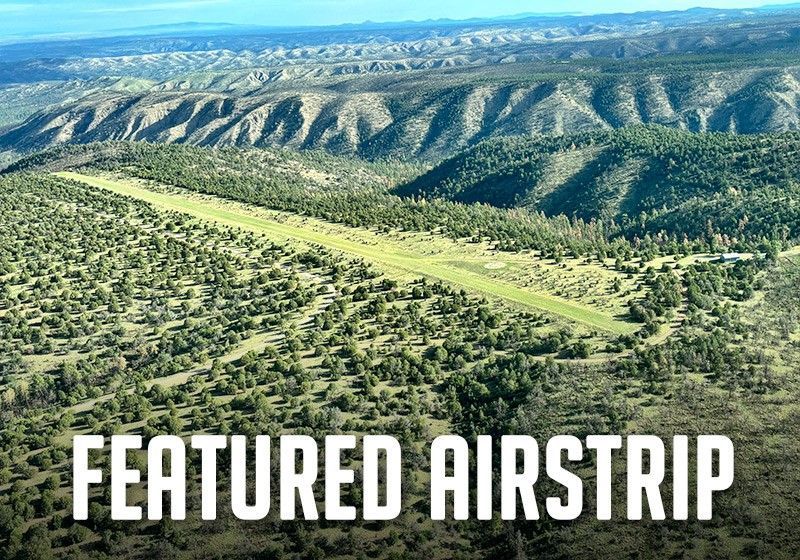
If you’re looking to extend your backcountry flying season in the Southwest, consider plans to visit New Mexico’s Gila National Forest. Me-Own, 28 nm NE of Silver City, is one of Gila’s several recreational USFS airstrips, and has a 3,700 x 50 foot runway at an elevation of 7,554 feet. You can count on cool summer days and moderate winters among the ranges of desert grasses and mountain forests of ponderosa pine, pinyon-juniper, aspen, spruce, and fir. The Gila’s USFS backcountry airstrips are cooperatively maintained by RAF and New Mexico Pilots Association (NMPA) volunteers and provide access to this remote and beautiful region of the state. Sacaton, Rainy Mesa, Beaverhead, Negrito, and Jewett Mesa are "comfortably long and level runways [that] create a flying paradise,” according to the NMPA. Paved Reserve airport serves as a base for NMPA's annual Gila Regional Fly-In. Me-Own, 1NM0 offers trail access to the Aldo Leopold Wilderness, just past the vault toilet. Here’s where you can join Section 23 of the Grand Enchantment Trail that stretches 770 miles from the Sonoran Desert near Phoenix to the outskirts of Albuquerque. This remote and rugged Wilderness trail passes Gila cliff dwellings, traverses canyons and verdant creek bottoms, and offers sweeping views from elevations reaching 10,770 feet at Mogollon Baldy. The NMPA assures us that the sluggish but venomous Gila Monster is “rarely encountered.” RAF New Mexico Liaison Ron Keller is working with the USFS to improve facilities at Me-Own thanks to the RAF’s cooperative Challenge Cost Share agreement with the Gila National Forest. The USFS requires prior permission to land at this airstrip. For permission, please call the Gila Dispatch at (800) 538-1644 and ask for the Aviation Branch. Me-Own is also used for firefighting. Check with the USFS office in Silver City for conditions prior to use at 575-388-8451. For the latest PIREPs, go to the NMPA website , and click "Backcountry PIREPs.” See the RAF Airfield Guide for more information. - By Carmine Mowbray Photo by Joyce Woods Submitted February 1, 2026
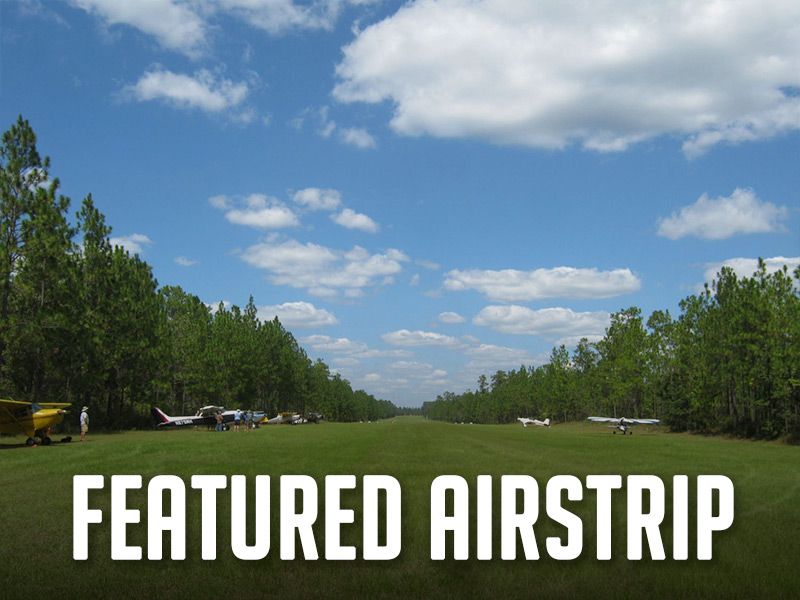
It’s flying season in Florida, and with mild seasonal temperatures and plenty of clear weather, it’s the perfect time to visit Blackwater Airfield, 8FD3 near Munson, FL. About 39 nm northeast of Pensacola, you can roll out on the smooth 4,000-ft turf airfield in the peaceful mixed pine State forest near Krul Lake Recreational Area. For years, the RAF has been especially proud of the many improvements brought about by hardworking volunteers with the help of RAF grants. Dedicated volunteers have worked together to preserve and improve this destination in cooperation with the Florida Department of Forestry. A scenic trail off the south end of the field takes you to 6.5-acre spring-fed Krul Lake for a refreshing dip. Wander a bit farther along the Sweetwater trail to the Sweetwater suspension bridge. Keep going eastward another hour to 107-acre Bear Lake, where a well-maintained trail circles the lake. To facilitate “leave no trace” use, you’ll find dumpsters in the campground. History buffs might enjoy exploring the nearby historic grist mill and Frick sawmill. As the sun dips low, your campfire comes to life, and so might the camaraderie with any others camped there. People gather for friendship and flying stories, and sometimes acoustic music breaks out beneath the starlight. If you happen to have your instrument, you’d be invited to join in! A team of RAF and other local volunteers recently spent a weekend refreshing the amenities, barbecue grills, and runway markings. “Arriving in twenty-one aircraft, it was an impressive turnout and a testament to the draw of Blackwater Field and the RAF community,” RAF Florida Ambassador Shane Hartman said, adding, “The sense of community that defines the RAF was on full display. From shared meals and campfire conversations to new friendships and lasting memories, Blackwater Field once again proved why it is such a special place.” For more information about Blackwater, and the required pre-arrival permission and safety briefing, see the Airfield Guide. By Carmine Mowbray Submitted December 29, 2025.
Recent Posts
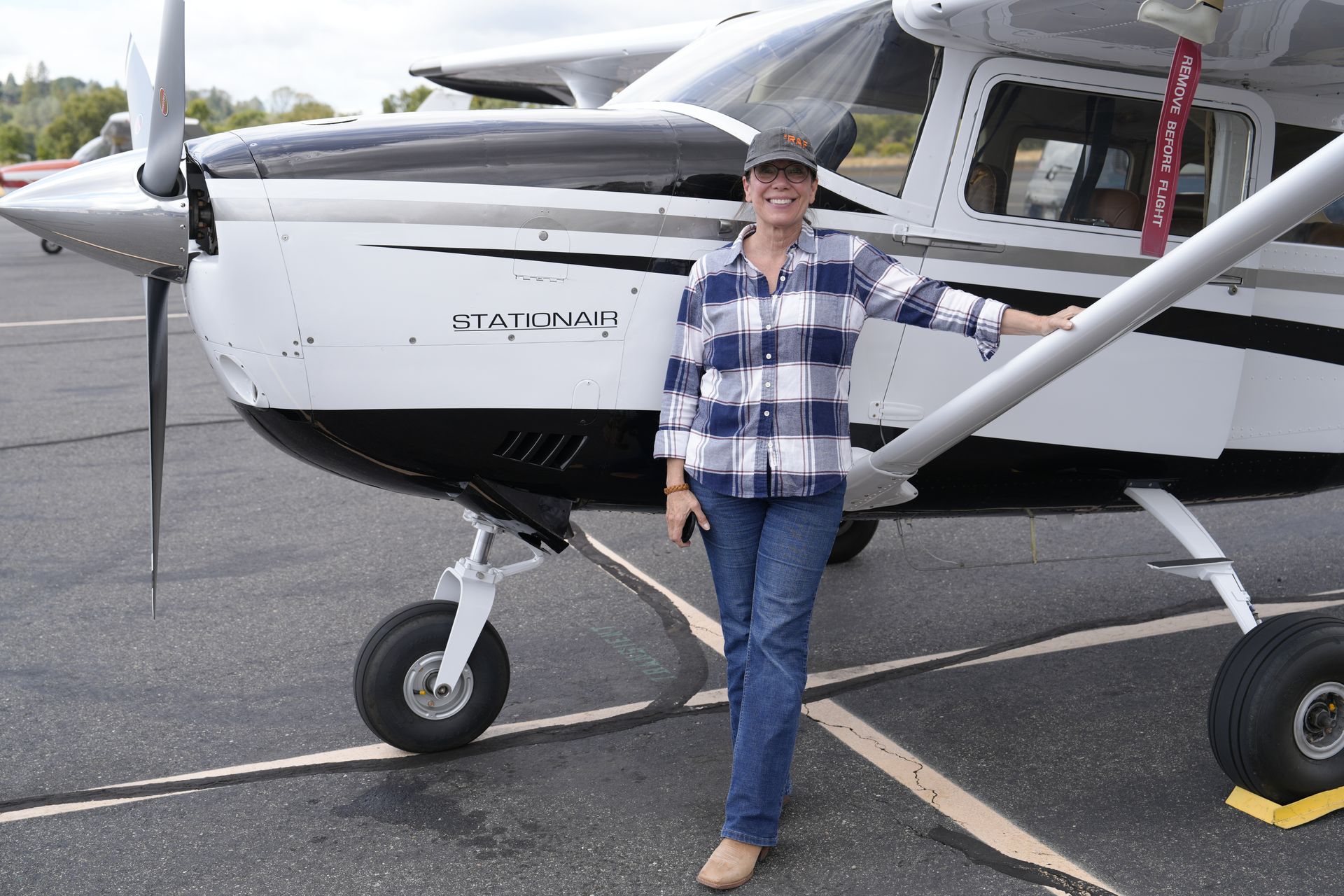
Our many RAF supporters have such vast and varied experience, and we’re capturing some of their words of wisdom to share with you. This guest editorial is by Cindy Cross, RAF VP of Appreciation.
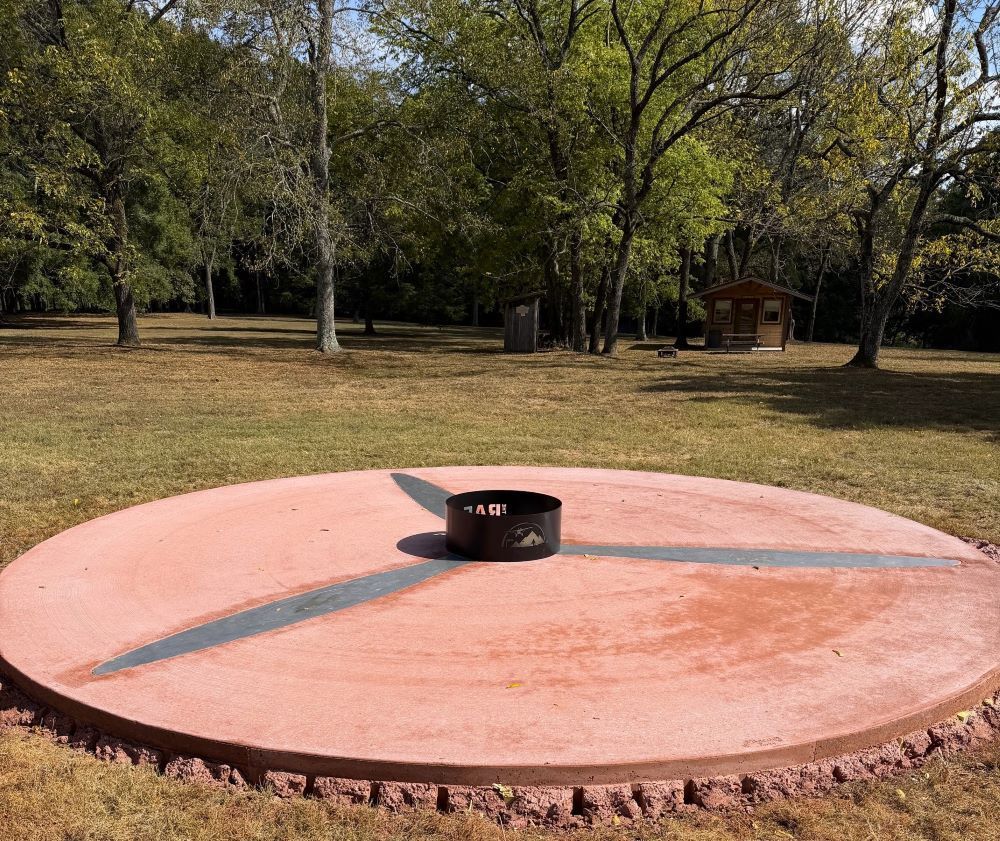
The Beechcraft Heritage Museum at Tullahoma Regional Airport is the site of a new RAF Fire Hub, provided by an RAF grant submitted by Tennessee Ambassador Steve Lewis. The Parish family, who own the Beechcraft Museum, along with other RAF volunteers, contributed to the preparation and installation of the fire hub. They completed the project in time for folks to enjoy it during the annual Beech Party event over the October 10-11 weekend. The 20-foot diameter permanent concrete base was provided by a private donor. The fire ring and three 10-foot-long propeller blades were designed and fabricated by RAF Volunteer Pete Smith of Lewistown, Montana, with design assistance from Pete's son Matt Smith of Bozeman, Montana. The structure lies east of the 2,775-ft turf Parish Aerodrome runway adjacent to the Beechcraft Heritage Museum. “This permanent installation will showcase the RAF mission as the Museum draws visitors from around the country,” Lewis said. For more information on the airport, see the Airfield Guide . Submitted October 21, 2026
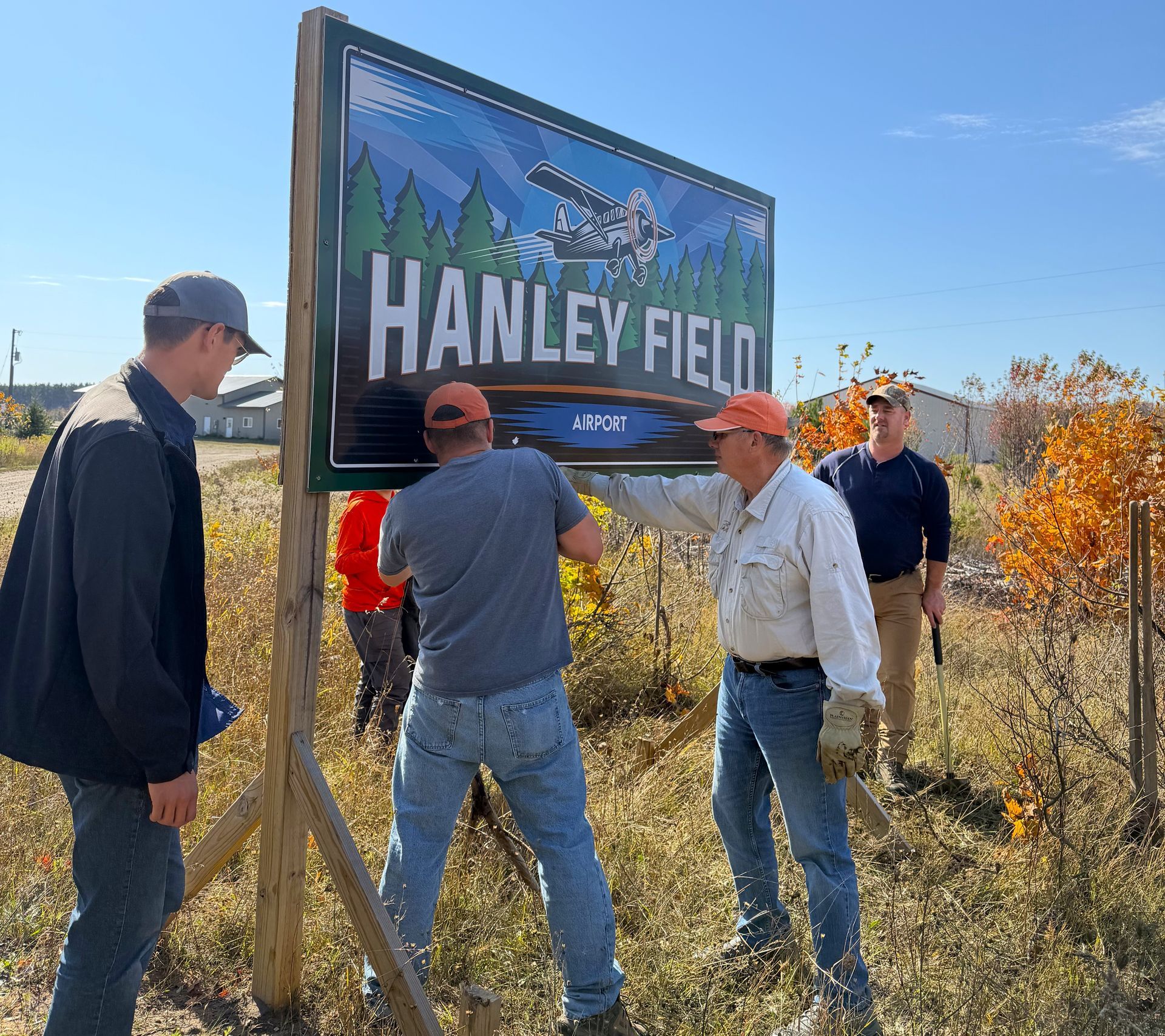
Michigan RAF volunteers had a very successful work party at Hanley Field (5Y7) in Michigan’s Upper Peninsula the October 10-11 weekend. Led by Michigan Ambassador Ryan Minnick, the crew, including Michigan Liaison Tanmoy Ganguly, cut and stacked firewood, repaired the sink and water heater, and relocated the airport sign along the road for better visibility. “We had a great weekend and got a good amount of work done. It was great connecting with supporters from the area,” Minnick said. “The assistant airport manager was there and was very happy with the results that came out of the work party.” Fourteen remained to camp Saturday night. Find more about Hanley Field in the Airfield Guide . Submitted October 21, 2026