The Recreational Aviation Foundation preserves, improves, and creates airstrips for recreational access.

Donate Today

HOW DO I JOIN?

The RAF is a 501(c)(3) non-profit organization, however, we are not a membership organization. We rely solely on donations to fulfill the RAF mission. To become an RAF supporter, click the Join Now button or click the Donate button in the website menu. To become a volunteer, click the Volunteer button to learn about volunteer opportunities.


Welcome to the RECREATIONAL AVIATION FOUNDATION

The Recreational Aviation Foundation (RAF) was founded by a group of Montana pilots who realized that the threat of recreational airstrip closure was of national concern. They also recognized that there was the need for a unified effort by pilots everywhere to protect public recreational opportunities. The RAF is dedicated to preserving existing airstrips and creating new public-use recreational airstrips throughout the United States.



This year, the RAF is Expanding The Map - and it's shaping up to be one of the most exciting years in our history. Beginning in 2026, the RAF will announce the opening and reopening of 15+ airstrips across the U.S.


Learn more here


Event Calendar

GET TO KNOW US


The RAF Way

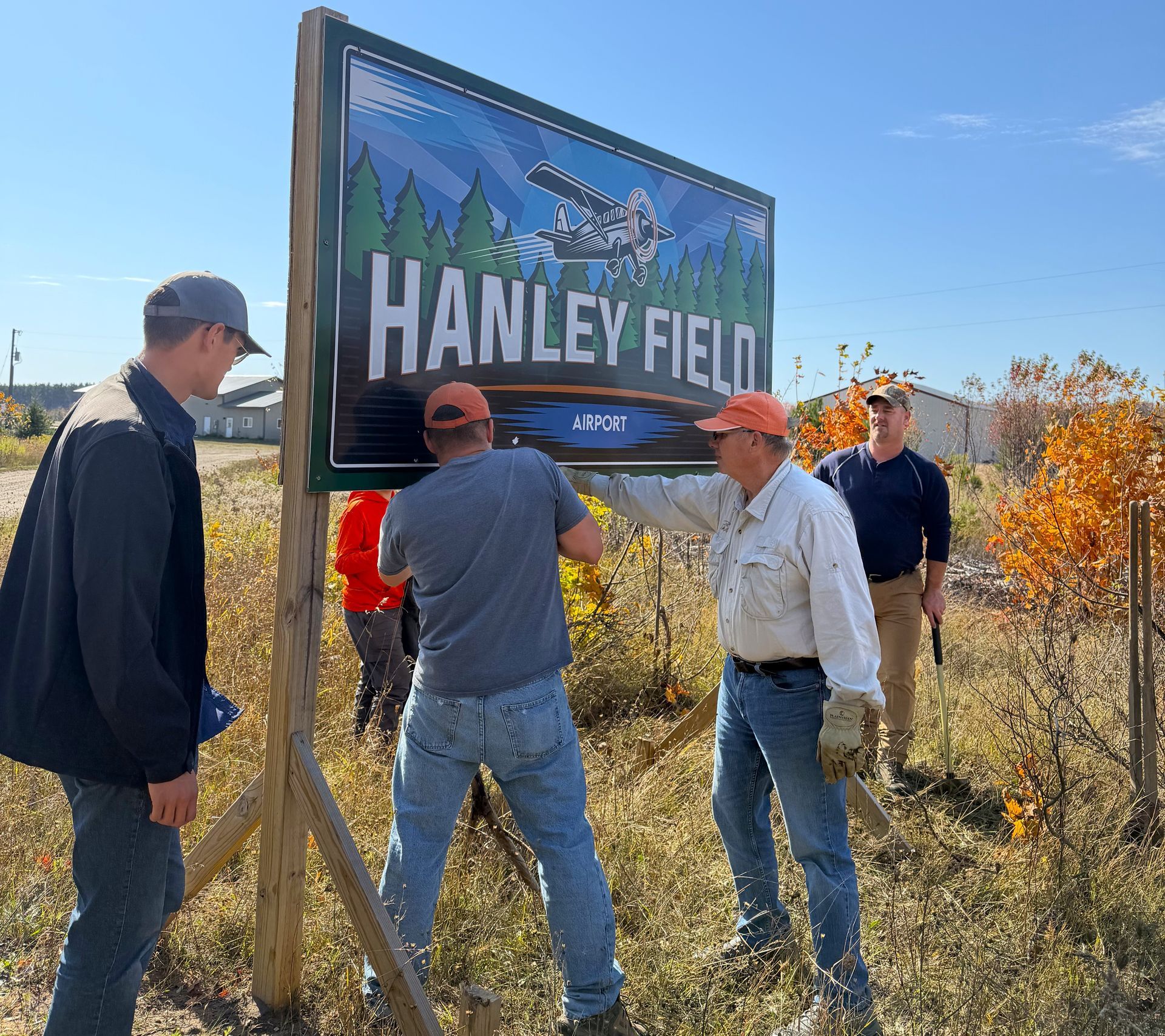
Ryan Barn, MT

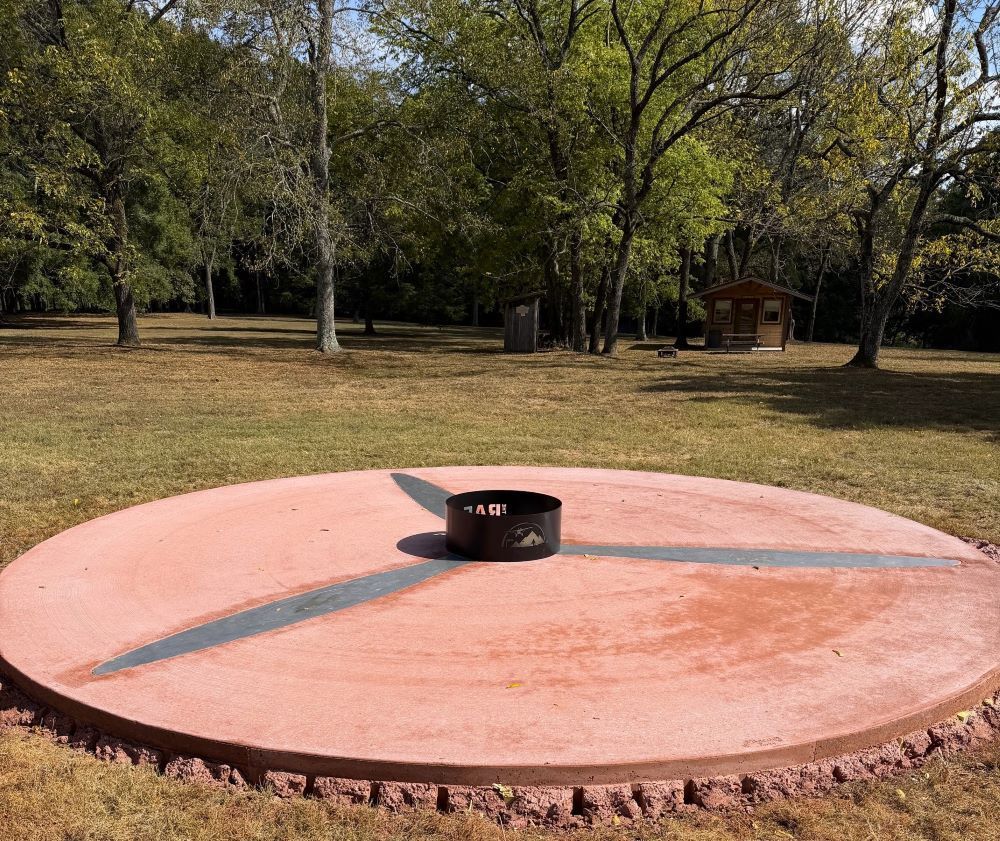
Trigger Gap, AR

The RAF implements its mission through these Guiding Principles:

➢ We believe that aviation is a valid form of accessing recreational resources on public and private lands.


➢ We believe in collaboration with both public and private entities to arrive at solutions that provide benefit to all parties.


➢ We value the relationships of all stakeholders – both public and private – and commit to fostering relationships based upon integrity and transparency.


➢ We believe that creation of new recreational airstrips will encourage the general aviation community to get out and recreate as well as provide more dispersed recreational opportunities.


➢ We prioritize safety - from pre-flight planning to the experiences on the ground where our planes have taken us - and consider it a lifetime commitment, rather than an isolated event.

DID YOU HEAR? RAF supporters will receive a $1,000 discount on the purchase of Hartzell Propeller's Voyager, Pathfinder, Explorer, and Trailblazer propellers through 2026. Read the Press Release!

Latest News
By Robert Miller August 14, 2026
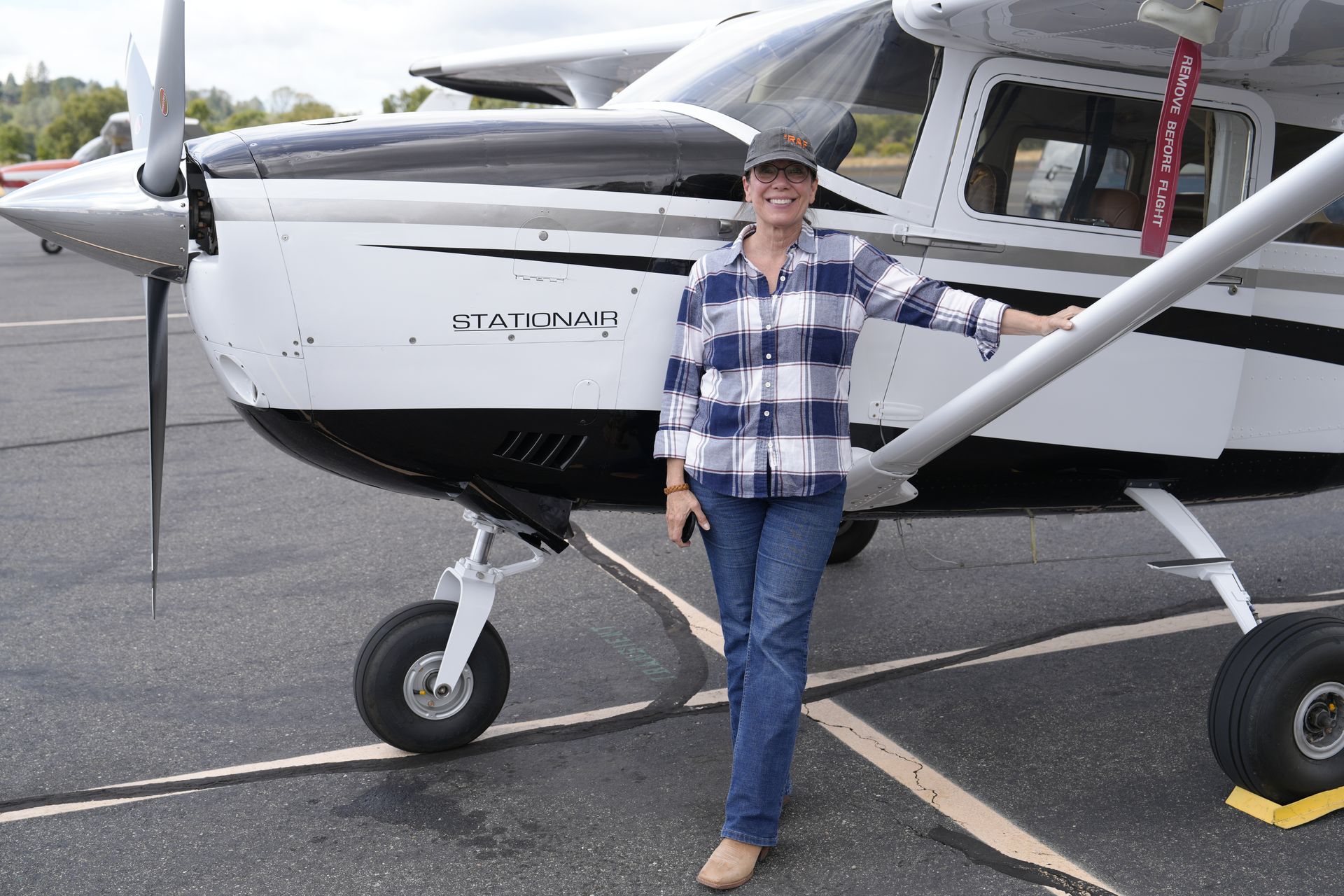
As a career pilot, Thread and Error Management (TEM) has been ingrained in how I fly. I’ve become convinced that Threat and Error Management matters more in backcountry flying than just about anywhere else. Not because the principles are different but because the timeline for decisions is. In “normal flying,” a poor decision often gives you time to recognize it, correct it, and move on. In the backcountry, the chain gets compressed. Threats are closer, mistakes can compound quickly, and options disappear in a hurry. By the time you realize you're behind the airplane, there may not be enough runway, climb performance, or room to recover. That's why TEM isn't about avoiding mistakes. It's about breaking the chain before the situation starts making decisions for you. Most of the threats are familiar. Density altitude. Winds that don't behave as forecast. Narrow strips, rising terrain, soft surfaces, visual illusions, and airplanes that perform a little differently than they did last time. Add a little fatigue, a little confidence from yesterday's success, or an eager passenger, and the margins start shrinking. The interesting part is that accidents rarely begin with one big mistake. They usually begin with a series of small decisions that seem reasonable at the time. "The tailwind isn't that bad." "We'll climb out fine." "The approach will come together." In the aftermath of a near accident or a survived accident, we’ve heard all of these testimonials…sometimes from the voice in our own headset. The best backcountry pilots I've flown with all seem to have one thing in common. They're willing to change the plan early. They don't wait for proof that something is wrong. If the approach isn't shaping up, they leave. If the takeoff isn't developing as expected, they abort. If the conditions don't match what they planned for, they wait or go somewhere else. That's TEM in its simplest form: anticipate the threats, recognize when reality no longer matches the plan, and act while you still have options. One thought has stayed with me over the years: backcountry accidents rarely begin with bold decisions…they begin with delayed decisions. The RAF Safety, Educational, and Etiquette team is looking at practical ways to apply TEM in the backcountry, including personal decision gates, arrival and departure briefs, and recognizing the traps that catch even experienced pilots. Let us know by sharing your own tips and ideas in “Comments.” (LINK?) Until then, ask yourself one question before every approach and every takeoff: If this doesn't work exactly as planned, what's my next move? If you have a good answer, you're probably ahead of the airplane. Submitted August 8, 2026 By Robert Miller, RAF West Virginia Liaison & Safety, Education, and Etiquette Committee member
By John McKenna August 10, 2026
Any of you ever tried to deal with an issue where all you wanted was to simply talk to a real person for help? Sure you have, and each of us likely has our own methods to break through the automation to a real person. To quickly bypass customer service robots, I try trigger words like "Agent" or "Supervisor" and keep my answers short. Don’t over-explain your issue. If the bot persists, you can use “nuclear" phrases like "Cancel my service,” or just repeat gibberish until the system hopefully defaults to a human. But you won’t need these tricks if you reach out to the RAF. When the RAF looks over our nearly 25-year shoulder, what we see is direct involvement by an army of people. It is people who show up at public hearings, people who have dug the holes for pilot shelter foundations, fence posts, and yes, outhouses. It is people who show up at Oshkosh to share our message and celebrate all that we have accomplished, and it is people who make you feel like you have made the right call to be an RAF volunteer or supporter. It’s not to say that automation and AI are tools to be discarded, but they are not tools that the RAF has found effective for doing the people-facing work that we do. Work that is opening a bunch of new places to go, taking care of the ones that exist, and working on issues that we see that could affect our backcountry community. In a funny little way, the more the world automates, the better the playing field is for the RAF, because we are pretty good at the human connection part. That feeling when one human being really hears what the other is saying. Thank you for helping us be a trusted member of this community. Not easy to do, but we mean it when we say, “We care.” - John McKenna, RAF Chairman Submitted August 10, 2026 
August 5, 2026
FEATURING: TOOL ROLLS Whether you’re heading to the hangar, the backcountry, or your next work party, staying organized matters. The RAF Tool Roll keeps your essential tools secure, accessible, and ready when you need them most. Designed to fit conveniently in your airplane or vehicle, it features multiple zippered pouches, labeled compartments, and a durable roll-up design with built-in handles for easy transport. No more digging through a loose toolbox or searching for that one tool you need. Keep your gear organized to spend less time looking and more time flying!
View More

Volunteer for the RAF

Did you know…the Recreational Aviation Foundation (RAF) achieves its mission almost entirely through the efforts of volunteers?

It's why you learned to fly

Aviators are hungry for new places to go, where new and memorable adventures await.

Get Involved