News
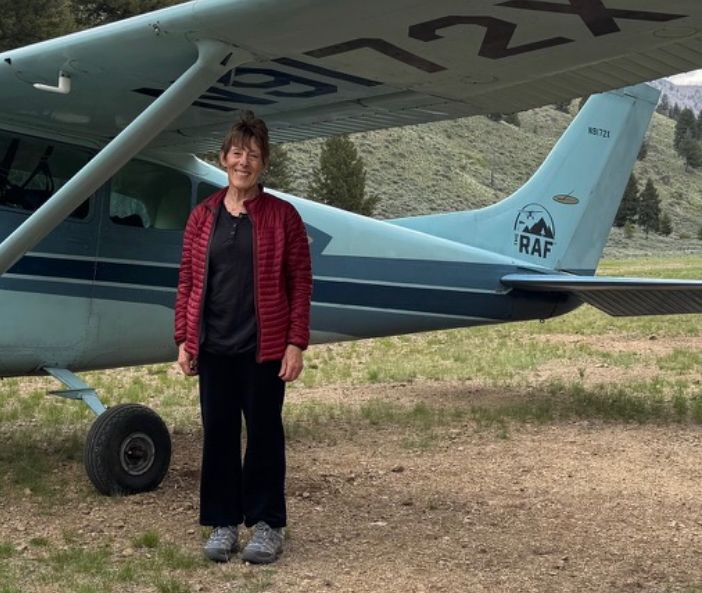
Our many RAF supporters have such vast and varied experience, and we’re capturing some of their words of wisdom to share with you. This guest editorial is by Cindy Cross, RAF VP of Appreciation.
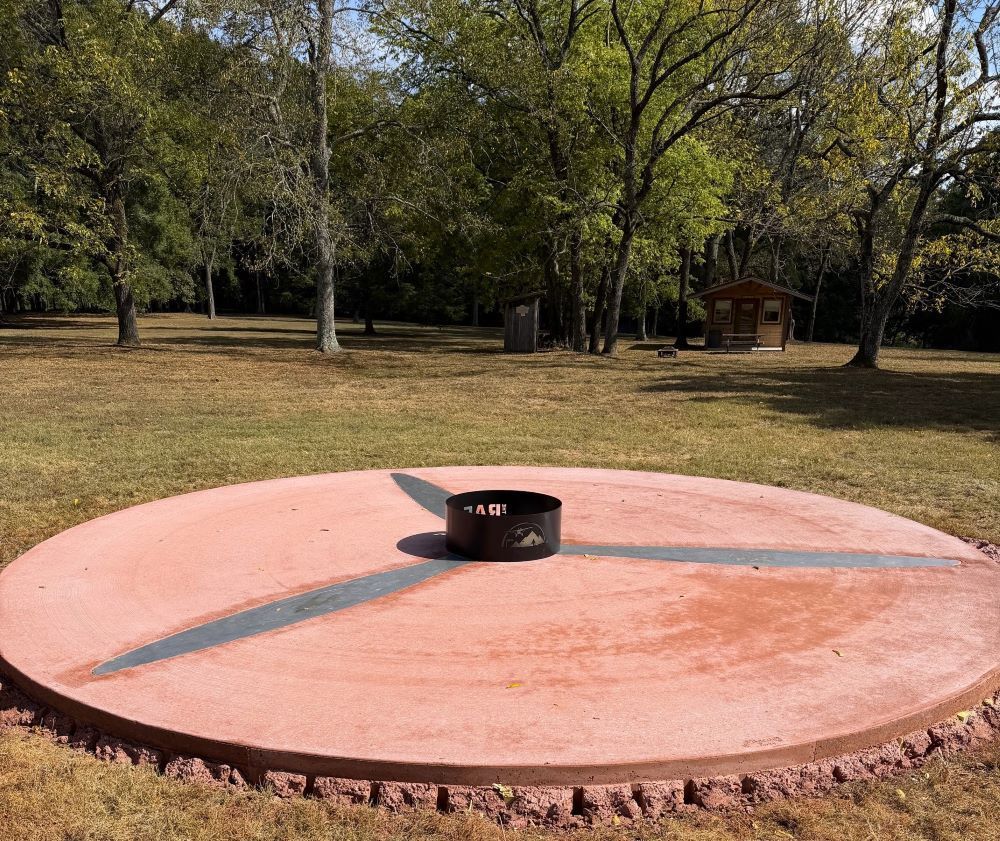
The Beechcraft Heritage Museum at Tullahoma Regional Airport is the site of a new RAF Fire Hub, provided by an RAF grant submitted by Tennessee Ambassador Steve Lewis. The Parish family, who own the Beechcraft Museum, along with other RAF volunteers, contributed to the preparation and installation of the fire hub. They completed the project in time for folks to enjoy it during the annual Beech Party event over the October 10-11 weekend. The 20-foot diameter permanent concrete base was provided by a private donor. The fire ring and three 10-foot-long propeller blades were designed and fabricated by RAF Volunteer Pete Smith of Lewistown, Montana, with design assistance from Pete's son Matt Smith of Bozeman, Montana. The structure lies east of the 2,775-ft turf Parish Aerodrome runway adjacent to the Beechcraft Heritage Museum. “This permanent installation will showcase the RAF mission as the Museum draws visitors from around the country,” Lewis said. For more information on the airport, see the Airfield Guide . Submitted October 21, 2026
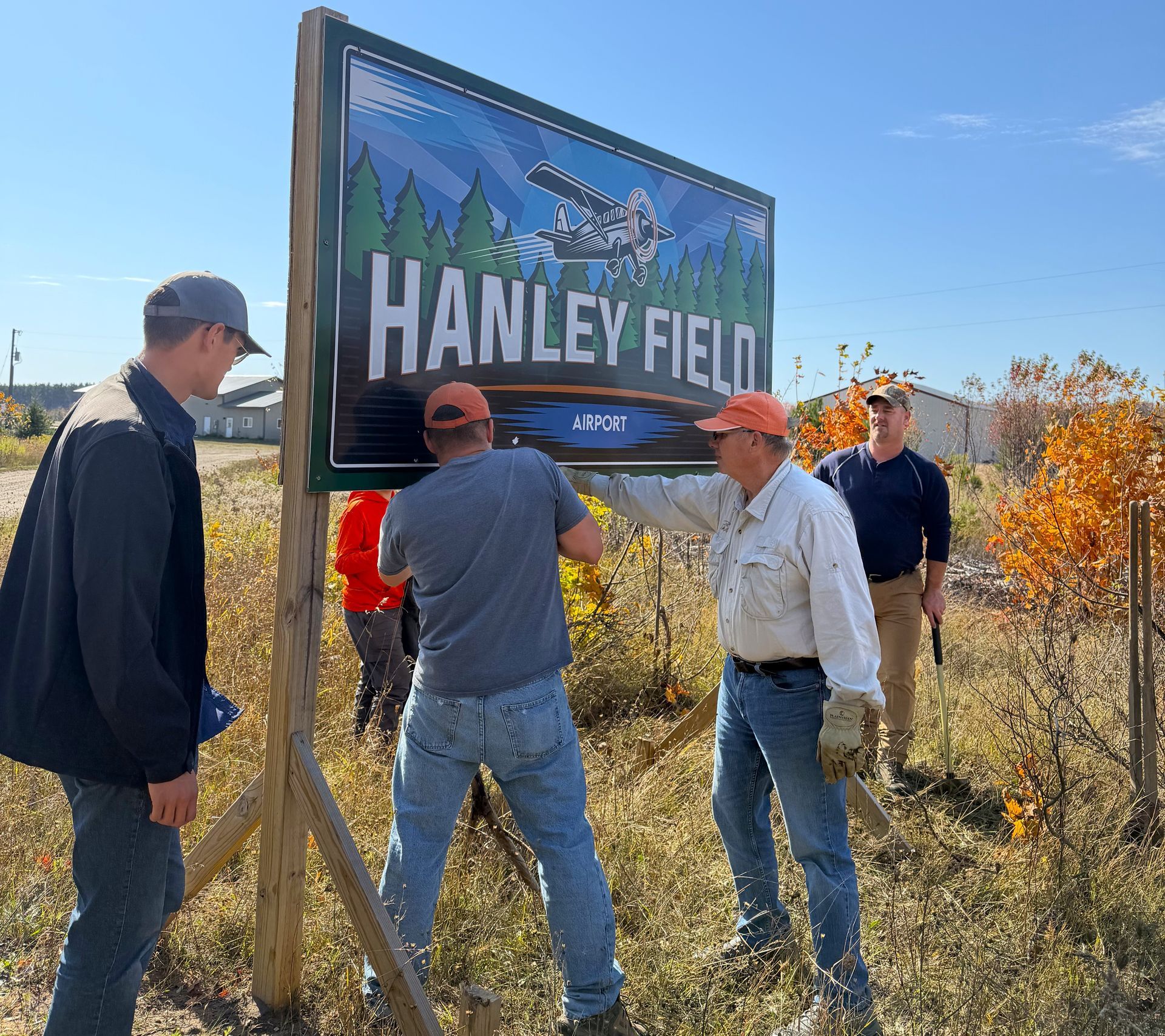
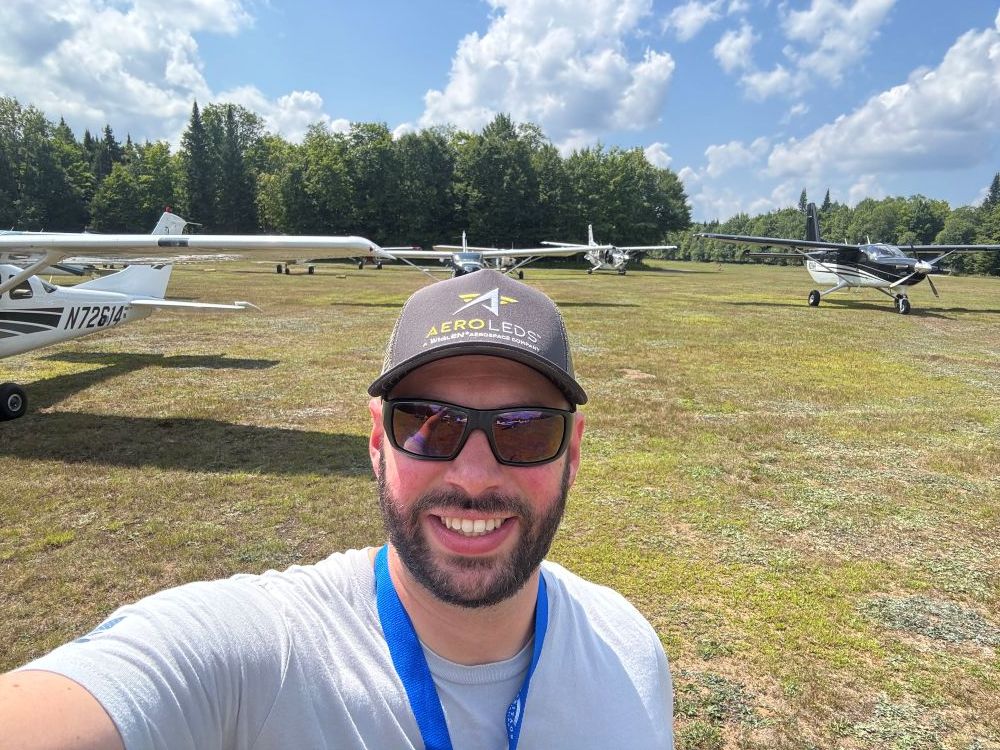
Michigan RAF volunteers had a very successful work party at Hanley Field (5Y7) in Michigan’s Upper Peninsula the October 10-11 weekend. Led by Michigan Ambassador Ryan Minnick, the crew, including Michigan Liaison Tanmoy Ganguly, cut and stacked firewood, repaired the sink and water heater, and relocated the airport sign along the road for better visibility. “We had a great weekend and got a good amount of work done. It was great connecting with supporters from the area,” Minnick said. “The assistant airport manager was there and was very happy with the results that came out of the work party.” Fourteen remained to camp Saturday night. Find more about Hanley Field in the Airfield Guide . Submitted October 21, 2026
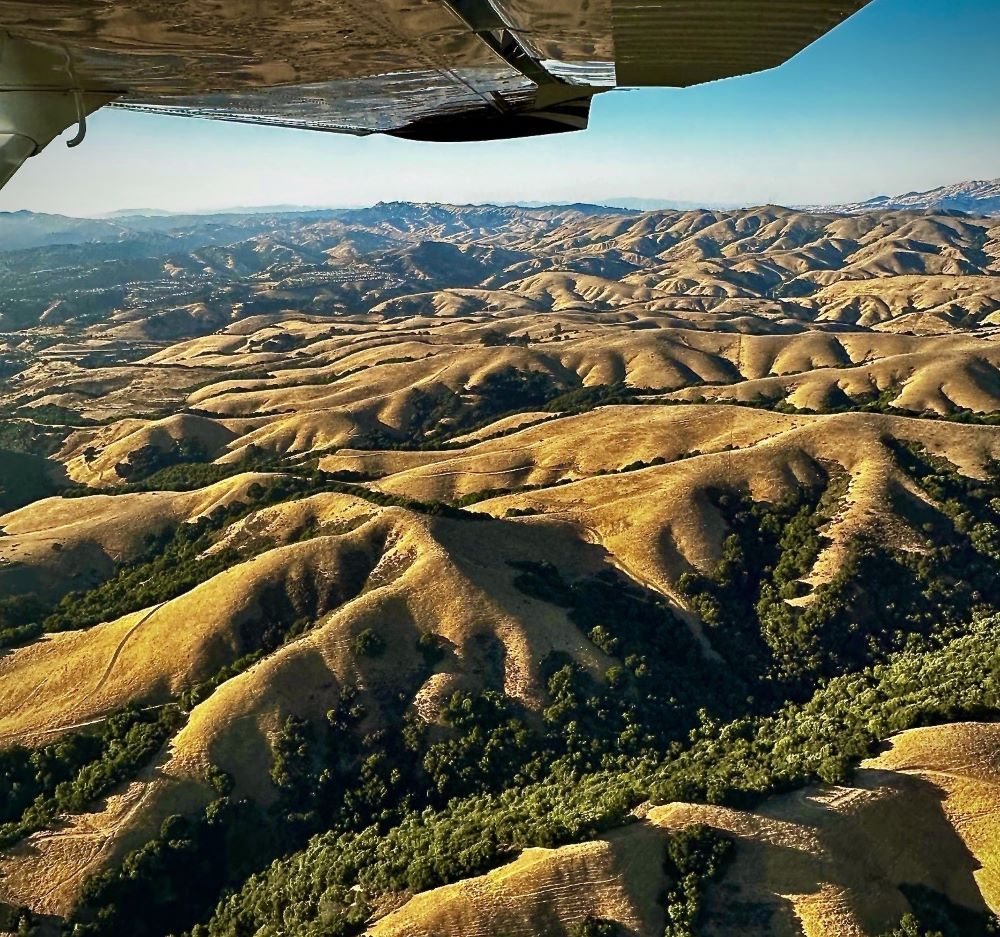
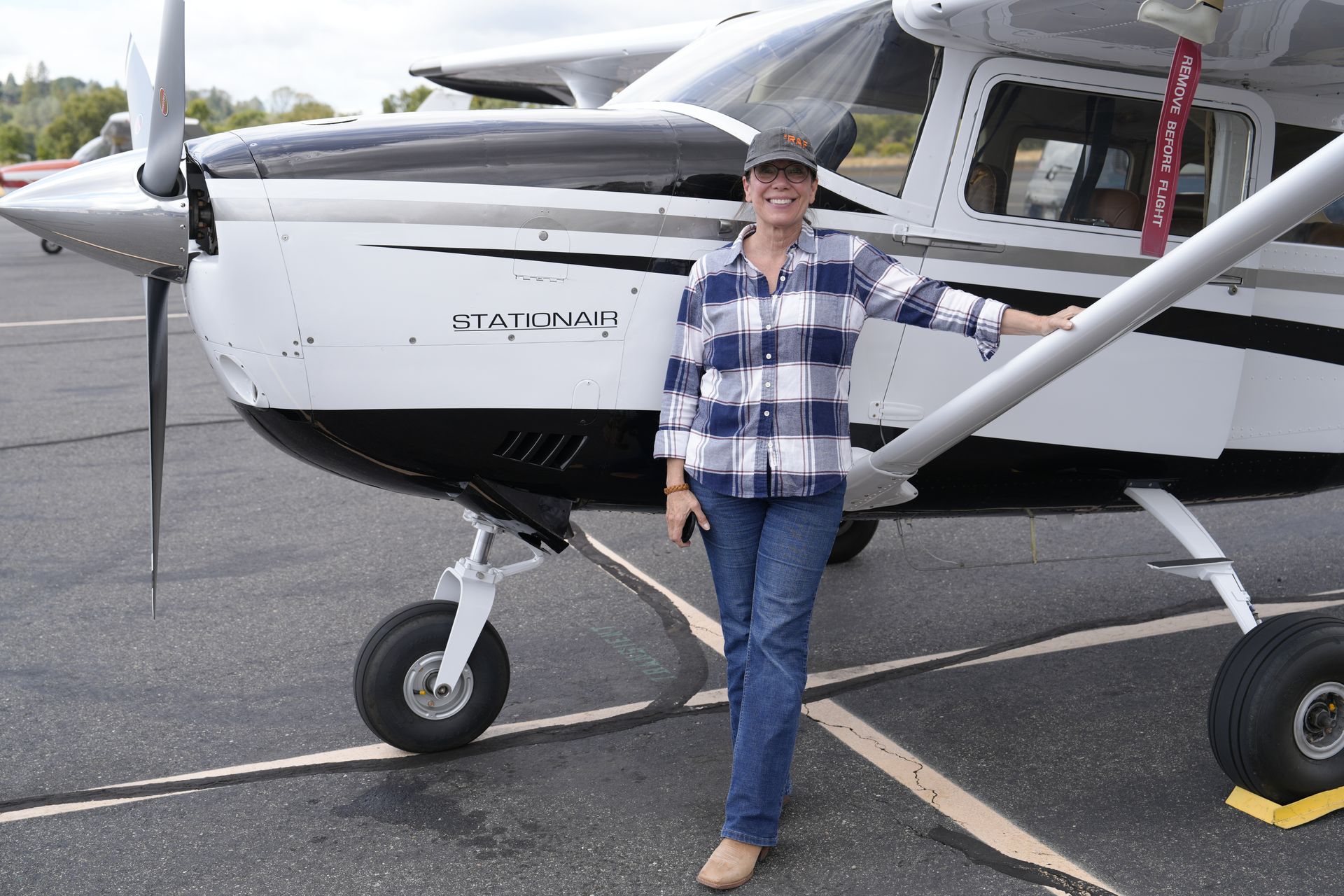
I live and work in Ohio, and like to play in the mountains, both flying and with feet on the ground. A lot of us live east of the Rockies, without the profound effects of density altitude, or that invisible mountain wave. In my earnest desire to fly in the mountains I love, many years ago I registered for a backcountry flying course…in Truckee, CA. Miraculously, I made it to Reno before experiencing a mountain wave. With Truckee practically in sight and approaching the final mountain ridge, my ground speed went from 135 kts to 80 kts in an instant. I floated over the ridge, pitch expected for straight and level at 80. I will never approach a ridge crossing straight-on again. Rather, at 45º, to allow for only a 90º turn to escape safely. Density altitude – the lack of power from high elevation coupled with above-standard temperature – gripped me when on final into Raton Municipal/Crews Field KRTN, 6,352 elevation, in a Grumman Tiger with student pilots aboard for a cross-country experience. Seduced by the gradual rising terrain westbound from Ohio, on final I realized I was sinking below the runway edge. It REALLY gifted me a profound understanding of density altitude! Can we safely transition to higher altitude flying? Sure! It just takes creativity and planning. Be aware of FAA hazardous attitudes, do some research, talk to experienced pilots in the places you are going, do more research, then get in your plane and practice where you live. Scenario training is great when you really lean into it. AOPA developed Focused Flight Reviews, which include a Backcountry option, mentioned on page 4, August 2026 Flight Training. One safety tool is Vc, or “canyon speed,” coined by Amy Hoover and “Dick” Williams in their manual Mountain, Canyon, and Backcountry Flying. Contact me for info on the backcountry flying course in Truckee. I have vetted these samples of the many resources myself. Just remember, online videos and reading can be productive, but it’s your hips in the seat with other experienced pilots that really works! For more resources, find the RAF Safety, Education, and Etiquette page here . Submitted October 15, 2026 By Christine Mortine, CFII, DPE, RAF Safety, Education, & Etiquette Committee - Education Chair cmortine@theraf.org
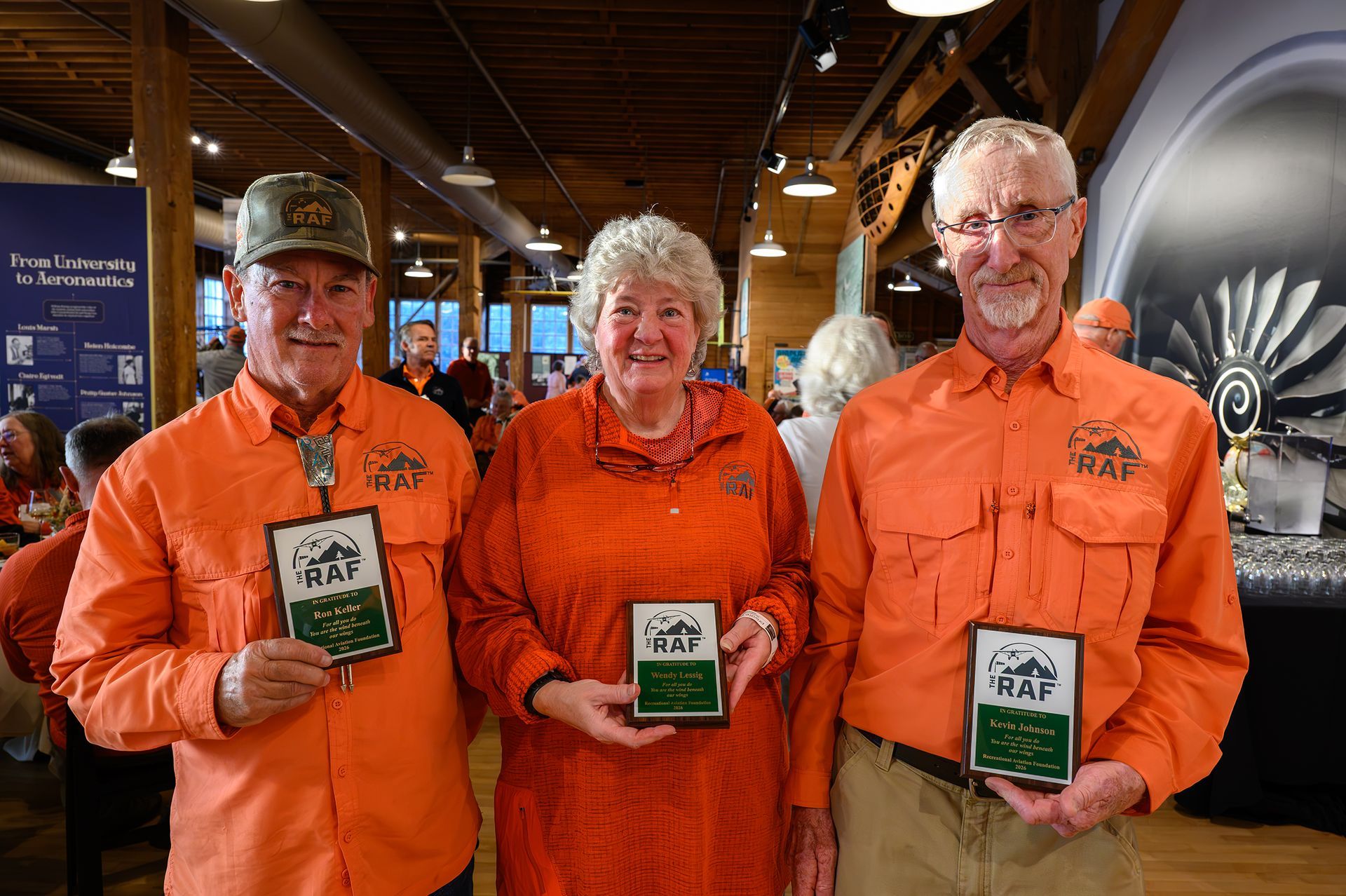
Three outstanding RAF volunteers were honored at the 2026 RAF Educational Conference in Seattle recently. RAF Volunteer Coordinator Erin White said, “It was incredibly difficult to choose this year’s winner. The HQ team and I finally narrowed down the candidates to three, and we simply couldn’t pick only one. I am very proud to announce that there are three 2026 award winners.” Wendy Lessig of Utah, Ron Keller of New Mexico, and Kevin Johnson of Oregon were each awarded the “Wind Beneath Our Wings” plaque that recognizes extraordinary efforts to further the RAF mission. This award was created and generously sponsored by RAF co-founders Dan and Margie Prill, and Chuck and Penny Jarecki. Each name has also been engraved on a permanent plaque displayed in the RAF's Bozeman, MT office. Wendy Lessig became Utah Liaison in 2019 and set a high bar for the task. A former director of Utah Back Country Pilots, she coordinated their mission to preserve and ethically access Utah’s backcountry airstrips with the RAF’s national recognition to boost awareness of her projects. Wendy has spent countless hours working to open multiple airstrips as part of the RAF’s Expanding the Map initiative. She works closely with the Bureau of Land Management and has become well-versed in public land management policy. She navigates the steps required to ensure access on federal lands, including using RAF grants and procuring other funding to pay for cultural surveys. Her diligence has paid off with successes that include the reopening of Taylor Flat and Keg Knoll airstrips. She engaged with Utah DOT Aeronautics and UBCP to install weather stations at strategically important locations for aviation. Wendy has flown her PA-12 all over the US, often to help at work parties. Ron Keller had been advocating for recreational aviation in New Mexico well before 2016 when he became RAF Liaison. Keller helped start the New Mexico Airstrip Network in 2014. He excels at working on projects in partnership with the Forest Service, New Mexico Pilots Association, and New Mexico Airstrip Network; with the goal to preserve valuable recreational destinations — places in the high desert where you could land your own aircraft, pitch your tent with panoramic views of ponderosa, piñon pine, and Rocky Mountain juniper. As RAF Liaison, he received permission from the USFS to rehabilitate Sacaton airstrip that had been dormant for over 40 years. Several work parties later, these dedicated volunteers saw Sacaton registered and ready for public access. Beyond reopening airstrips, Keller organizes volunteers, and has many camping amenities to show for their efforts, like picnic tables, vault toilets, and shade structures, most welcoming to campers and hikers. Of course Ron loves flying to all these places, but he also says, “I enjoy mowing all six USFS-managed airstrips on the Gila National Forest.” Choosing to haul a mower for hours each way on dirt roads certainly helped qualify Ron for this award. Upon receiving the award, Ron immediately credited it to the many volunteers who assist his efforts in NM. Kevin Johnson lives in Oregon where he bases his C172, but he’s often on the go. Kevin is an RAF Ambassador and has provided his design and carpentry skills on RAF projects from the Pacific Northwest to Montana, quietly and steadily getting an incredible amount of work done. He also builds and installs airfield kiosks of his own design. When he learned of the drive-in-only work call at Walker Ridge airfield in California, he drove nine hours each way to help out, towing a windsock pole that he’d built to the site. His range was recently expanded to include east Tennessee, where he joined the initial work party on the “Fly Rocky Top” project to construct a pilot pavilion over the weekend at Higdon Field, one of the seven outpost airfields planned as part of the RAF Expanding the Map project. During the award ceremony, the crowd gave each a standing ovation, and White added, “Volunteers from California to Maine and everywhere in between are doing incredible work every day preserving special places to fly.” The RAF is thankful for each and every person who volunteers their time and talent towards the mission of preserving, improving, and creating airfields for recreational access. Submitted October 14, 2026 By Carmine Mowbray
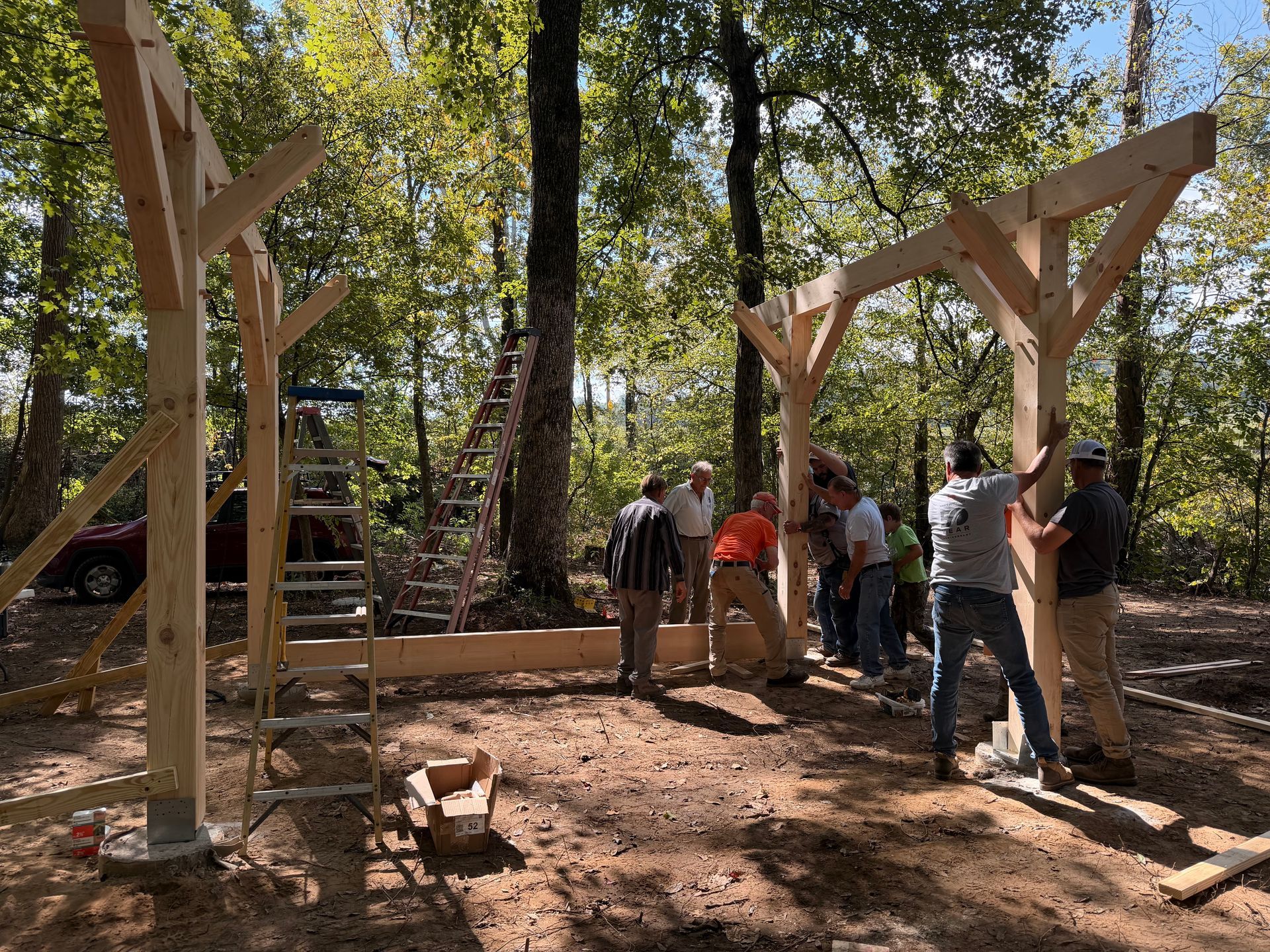
As the RAF works on Expanding the Map, a team of volunteers got a head start on projects at two Fly Rocky Top airfields in Tennessee, part of the seven planned backcountry destinations, with Smuggler’s Landing as the “basecamp.” The first weekend of October, the crew poured concrete and made great progress on kiosks and post-and-beam picnic shelters at Higdon Field and McGraw's Backyard, using traditional Bavarian peg joinery techniques. Beginning at Higdon Field amidst the shade of the deciduous forest, the crew began assembling a shelter, pounding wood pegs with a huge wooden mallet. Hurrying to beat the oncoming rain, they moved on to McGraw’s, built the second shelter in a wooded grove near the groomed turf runway, and installed a windsock.
Good friendships happen over time, and the RAF loves making good friends. Beginning in 2009, John Nadeau of Massachusetts – the first RAF State Liaison east of the Rockies – approached The Nature Conservancy in Maine about restoring and reopening Red Pine Grove, a remote paved airfield on land along the St. John River just a dozen miles from Quebec. Pointing out our common goals of good land stewardship, he wondered if TNC would consider partnering on the idea. RAF Maine Liaisons Andy Rowe and Steve Mason joined the conversation. Andy had good friends in the region, and Steve, a long-time Northern Maine bush pilot and logger, added professional credentials. Pilot and new TNC Trustee John Sowles joined as well and widened the friendship circle. Not long after, Arkansas Liaisons Dave Powell and Harper Goodwin identified a pristine hilltop meadow above the Kings River in northwest Arkansas on land owned by The Nature Conservancy, locally known as Trigger Gap. Encouraged by the friendship beginning up North, the two RAF Liaisons engaged TNC in conversation about partnering on building an airfield, with its far lighter environmental footprint than a road. “What was merely raw land and a vision by some determined backcountry pilots became a common goal of both organizations,” Harper says. Thanks to this successful partnership with TNC, volunteers from the RAF and Fly Oz built a new turf airfield, pavilion, and toilet at Trigger Gap, and announced its opening in October, 2016. “Our partnership with the Recreational Aviation Foundation has always been built on trust, stewardship and a shared love for the outdoors,” says Roger Mangham, State Director of TNC in Arkansas. “Trigger Gap gives people a way to experience the Kings River landscape while demonstrating what we know in Arkansas to be true, that conservation and recreation can go hand in hand.” The airstrip's visitor log has proven that many folks enjoy landing lightly on the land and pitching their tents. Evening brings fellowship together around the fire in the pavilion. Often, acoustic music spreads to the surrounding forest. Things were still happening back up in Maine. Nadeau says, “We stressed the RAF culture and our desire to enhance the Red Pine facility to the benefit of all users. I pointed out to their Boston attorney that statutes protect TNC. It helped that we spoke with the same accent.” In spring of 2021, TNC signed an agreement with the RAF to open and maintain the runway. “TNC recognized that remote Red Pine Grove was a wonderful, already built resource that was easily accessible by small aircraft to provide just the sort of outdoor recreation The Nature Conservancy favored and promoted,” Nadeau added. Common purpose binds friendships, and friendships build trust. These two examples of trust and friendship prove a mutual commitment to good land stewardship, and the idea that nature and people can thrive together. Submitted October 13, 2026 By Carmine Mowbray
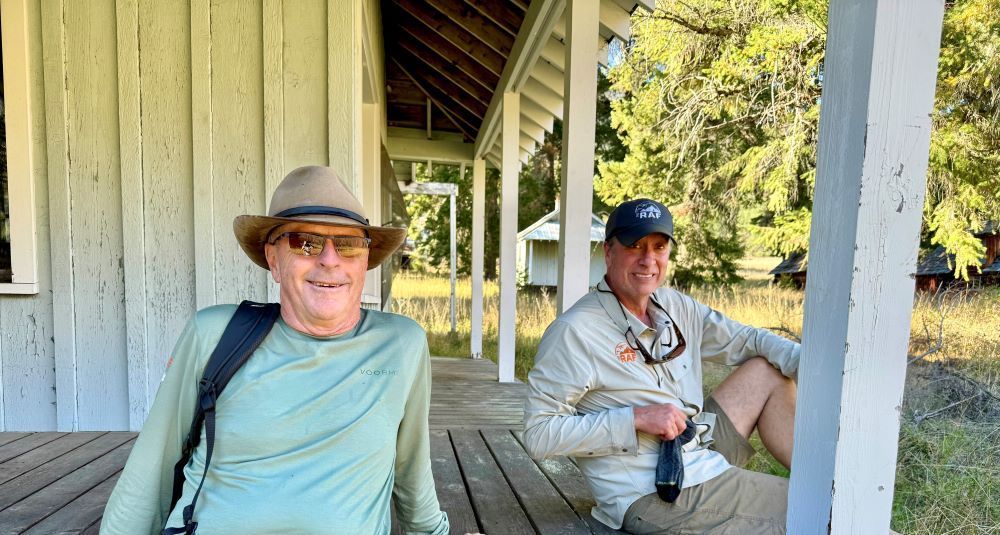
People are the backbone of the RAF. You’ve heard this before from many business leaders, but with the RAF it is not simply a catchy phrase; the people are truly our key asset. A financial institution would speak to its cash assets as to why you should put your funds with them; an energy company might show its proven reserves as a reason to invest in them. An automaker would like you to appreciate their cutting-edge manufacturing equipment so they stay competitive and turn out trouble-free products. Sure, we too have tangible items on our balance sheet that are important tools we use to get things done: tools to build, and tractors to mow airfields. We have property and equipment that we own, and some that we lease. We have always worked hard to hold the line on expenses, saving funds in order to both take good care of what we have and be ready to act on future opportunities. Without a doubt, the line item that gives the RAF its strength is its people. We believe it would be hard to find another organization, at least within the aviation space, that has the amount of passion that our people bring to the RAF all across the country. This did not come overnight, nor do we take it for granted. This focus on connected volunteers has been a strategic objective of the RAF since its founding. The projects come to us because of the places we get involved in, and the places come our way because of our people. People who are always looking for opportunities to make one more spot that special place. We are proud of the people who call themselves friends of the RAF, and we hope those of you who spend a good deal of your time advancing the mission will continue to do so. What’s more, we would be gratified if you continue to bring others along. Most who don’t yet know us will likely find us a welcoming community, one that is excited to have them. As I have often said, we originally came for the airplanes, but what keeps us coming back are the people. - John McKenna, RAF Chairman Submitted October 13, 2026
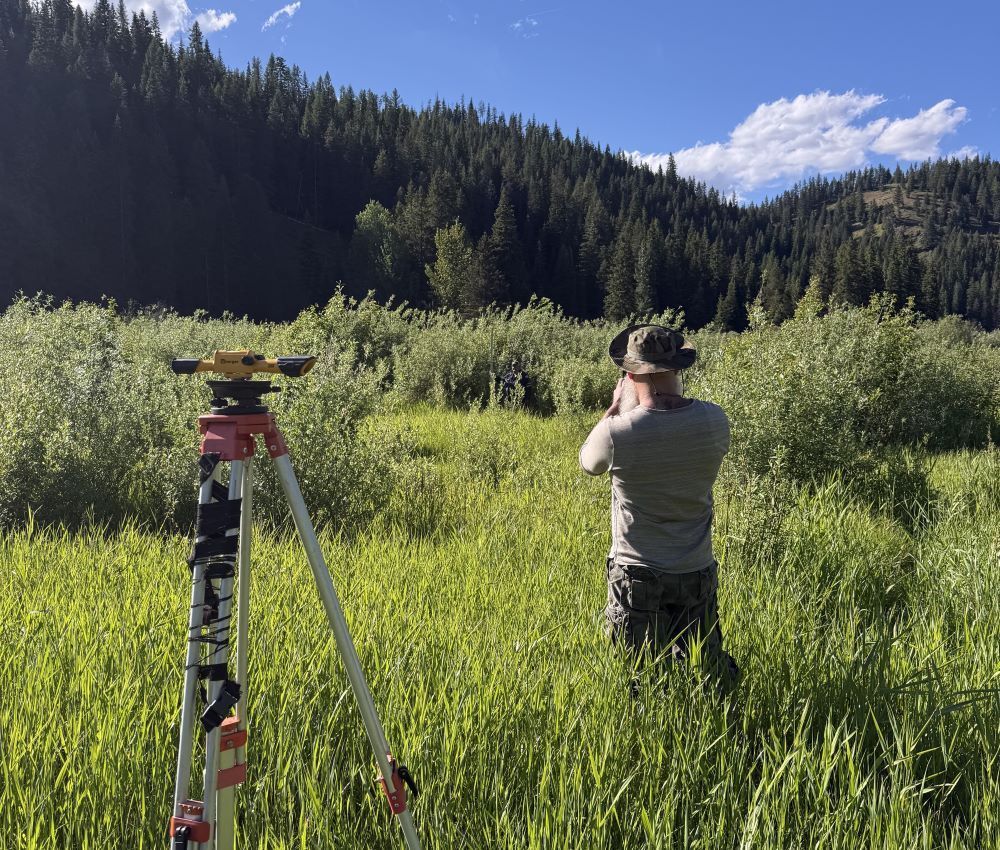
The RAF is excited that our Expanding The Map initiative to open and rehabilitate airfields is off to an impressive start. As a result, we are seeking an airport engineer who is willing to volunteer their consulting services on airfield projects around the country. "Our supporters have many talents and areas of expertise," President Bill McGlynn said. “Please let us know if you’re an airport engineer who would be interested in volunteering your knowledge to improve recreational airfields.” Please contact Erin White, RAF Volunteer Coordinator, ewhite@theraf.org . Submitted October 8, 2026. By Carmine Mowbray
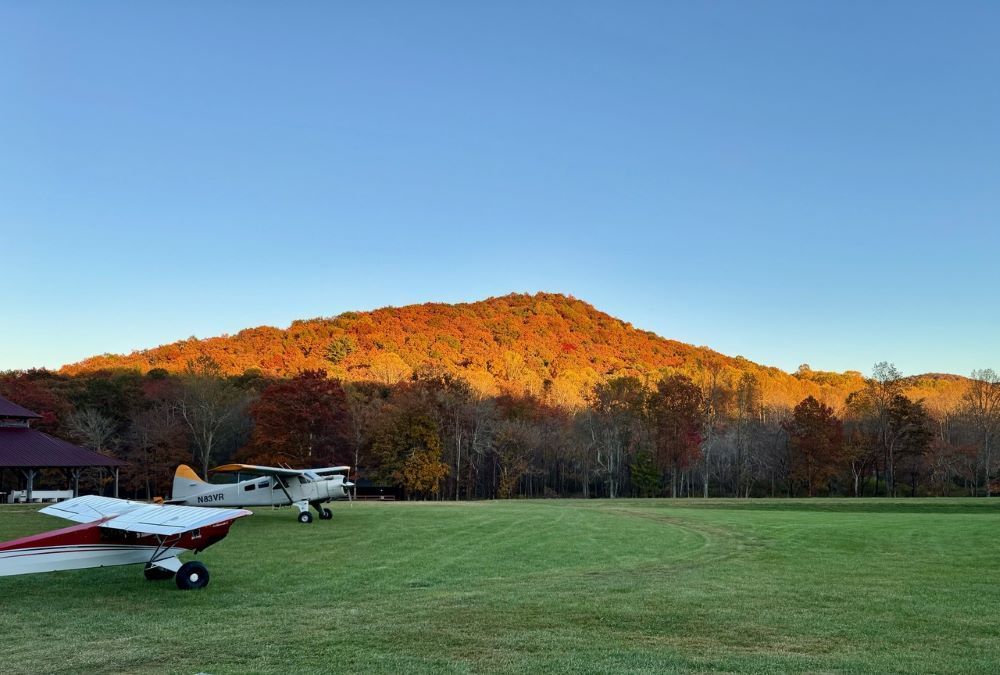
Like many people at this time of year, you may be considering your charitable contributions. The RAF is fortunate to have a deep bench of professional financial planning talent with several planned giving ideas to help you enjoy the advantage of tax benefits while benefiting the RAF mission. You can even specify a project that you'd like to support. You may not be aware of a new opportunity this year: Those who use the standard deduction (like most taxpayers) can deduct up to $1,000 ($2,000 for couples) for their direct donation to the RAF, without itemizing. This gives everyone a charitable giving tax-advantage, not just high-income donors who itemize. If you have any questions, a great way to start is to contact RAF Texas/Montana Ambassador Steve Maus, CLU, MSFS, and Chartered Advisor of Philanthropy. Reach him at: smaus@theraf.org .
Recent Posts
Our many RAF supporters have such vast and varied experience, and we’re capturing some of their words of wisdom to share with you. This guest editorial is by Cindy Cross, RAF VP of Appreciation.
The Beechcraft Heritage Museum at Tullahoma Regional Airport is the site of a new RAF Fire Hub, provided by an RAF grant submitted by Tennessee Ambassador Steve Lewis. The Parish family, who own the Beechcraft Museum, along with other RAF volunteers, contributed to the preparation and installation of the fire hub. They completed the project in time for folks to enjoy it during the annual Beech Party event over the October 10-11 weekend. The 20-foot diameter permanent concrete base was provided by a private donor. The fire ring and three 10-foot-long propeller blades were designed and fabricated by RAF Volunteer Pete Smith of Lewistown, Montana, with design assistance from Pete's son Matt Smith of Bozeman, Montana. The structure lies east of the 2,775-ft turf Parish Aerodrome runway adjacent to the Beechcraft Heritage Museum. “This permanent installation will showcase the RAF mission as the Museum draws visitors from around the country,” Lewis said. For more information on the airport, see the Airfield Guide . Submitted October 21, 2026
Michigan RAF volunteers had a very successful work party at Hanley Field (5Y7) in Michigan’s Upper Peninsula the October 10-11 weekend. Led by Michigan Ambassador Ryan Minnick, the crew, including Michigan Liaison Tanmoy Ganguly, cut and stacked firewood, repaired the sink and water heater, and relocated the airport sign along the road for better visibility. “We had a great weekend and got a good amount of work done. It was great connecting with supporters from the area,” Minnick said. “The assistant airport manager was there and was very happy with the results that came out of the work party.” Fourteen remained to camp Saturday night. Find more about Hanley Field in the Airfield Guide . Submitted October 21, 2026