WORTH THE READ: WENDY LESSIG GUEST EDITORIAL
Our many RAF supporters have such vast and varied experience, and we’re capturing some of their words of wisdom to share with you. This guest editorial is by Wendy Lessig, a pilot and an RAF Utah Liaison.
Passion - Patience - Perseverance
There is no instruction manual for how to be an RAF Liaison. Every Liaison has their own unique set of skills, experience, and motivation, but I can guarantee that every single one has a passion for the RAF mission – to preserve, improve, and create airstrips for recreational use.
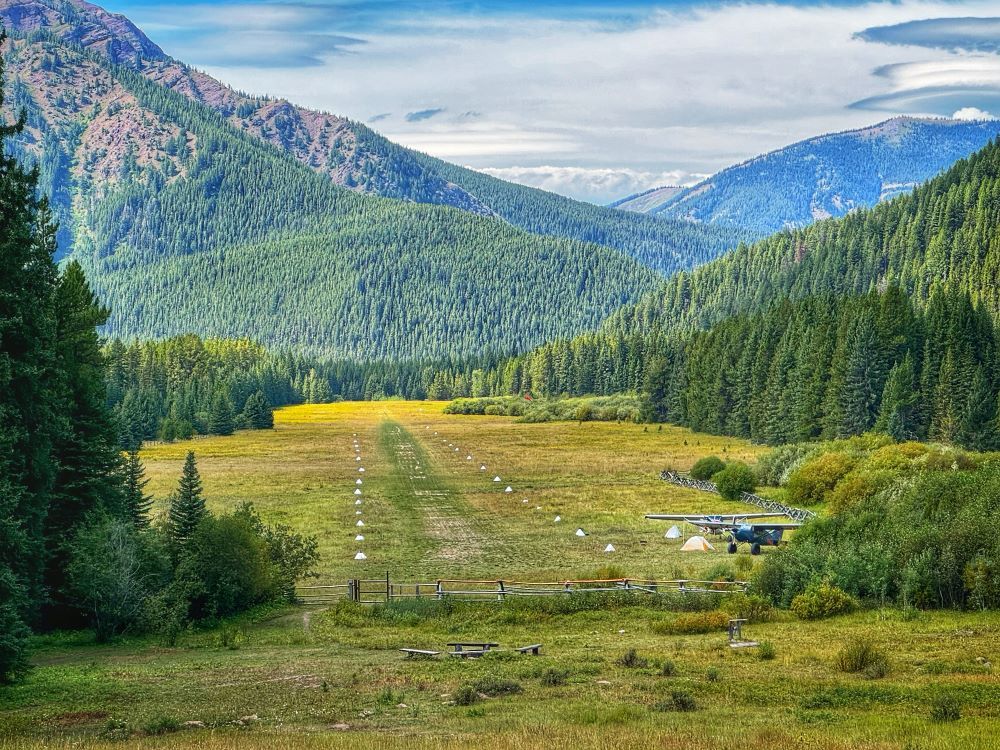
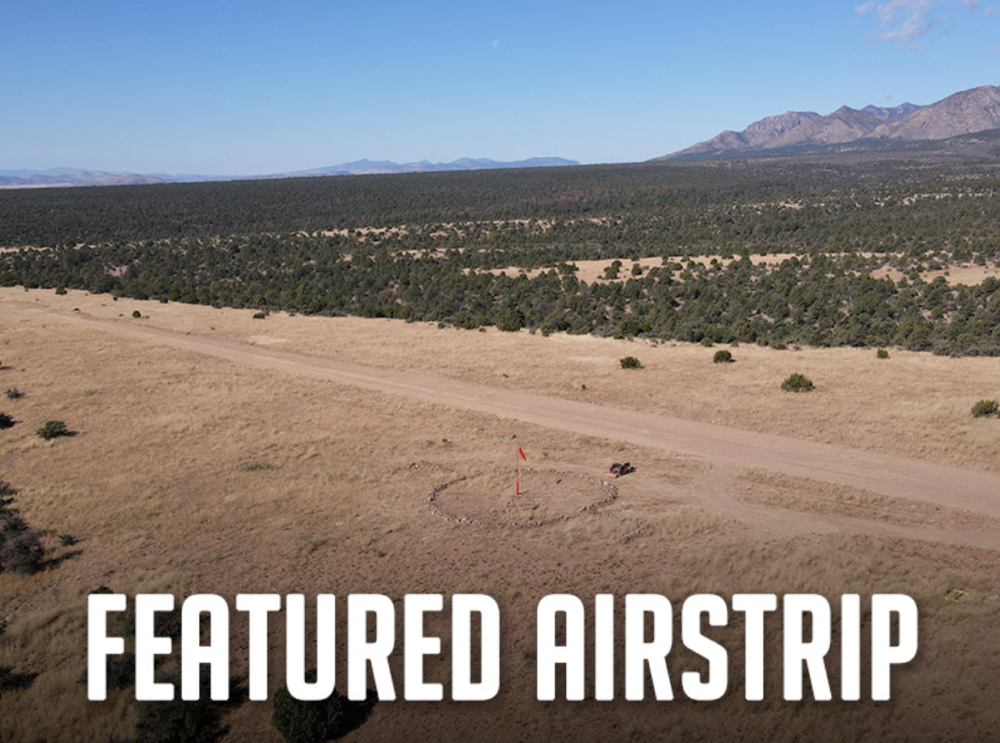
It was a bit daunting at first to be appointed as the RAF Utah Liaison. The other RAF State Liaisons across the country seemed to have lots of amazing airstrip improvement projects – pilot shelters, showers, fire rings, pit toilets – and there was none of that in Utah. All of the Utah backcountry airstrips are primitive and probably destined to stay that way. You have to provide your own tent if you want shelter, haul your own water for a spit bath, gather rocks yourself for a fire ring (do not forget to fetch your own firewood), and bring a shovel for #2. Also, bring your own food, because there are no grocery stores or restaurants anywhere nearby. None of the RAF projects in other states seemed to be applicable to Utah.
It became clear that Utah has a different set of recreational airstrip challenges and opportunities. Utah has the third-highest percentage of public land, about two-thirds, behind Alaska and Nevada. There are 121 airstrips in Utah on land managed by the Bureau of Land Management (BLM). Most of these are backcountry airstrips that have existed and been in use since the Cold War uranium mining boom, dating as far back as the 1950s. Many of the airstrips have breathtaking views of Utah’s red rock canyons, nearby historical sights, and camping under a billion stars at night. Utah’s airstrips offer recreation like no other place on earth.
The BLM land management plans do not prohibit airstrips, but most of the airstrips have not been named as an allowable use, either. If the airstrips are not specifically authorized in the BLM plans, the privilege of their use and enjoyment could be lost. So, this RAF Utah Liaison dove in headfirst into the BLM world of NEPA, which is the review and decision-making process that every U.S. federal agency follows. There has been abundant support from RAF experts and resources whose guidance and experience with federal land management have been invaluable. There is still a lot to learn.
Preserving the backcountry airstrips in Utah has been like peeling an onion, but with persistence instead of tears. The outer layers have been easier, with Calls To Action and the help from RAF supporters who sent public comments to the BLM, which has resulted in 20 airstrips being added directly to the BLM land management plans so far.
It was easy enough to gather backcountry aviation information and coordinate input from other stakeholders to help the BLM with their NEPA review and approval to reopen Taylor Flat Airstrip, which had been closed for 30 years. Generous RAF grants to fund required archaeological surveys bumped 10 airstrips in southern Utah to the front of the
BLM’s NEPA review queue. These, along with two additional airstrips, are expected to be approved by the BLM very soon.
The airstrip successes make the hard work and diligence worthwhile, but authorized airstrips are not the only success. A BLM-RAF relationship has been built on trust and mutual cooperation. The BLM now seeks RAF input as a backcountry aviation resource. Together, we have laid the groundwork and precedents that will benefit
future airstrip reviews by the BLM. It turns out, there really is an instruction manual for how to be an RAF Liaison. It starts with that first step and continues with
passion, patience, and perseverance.
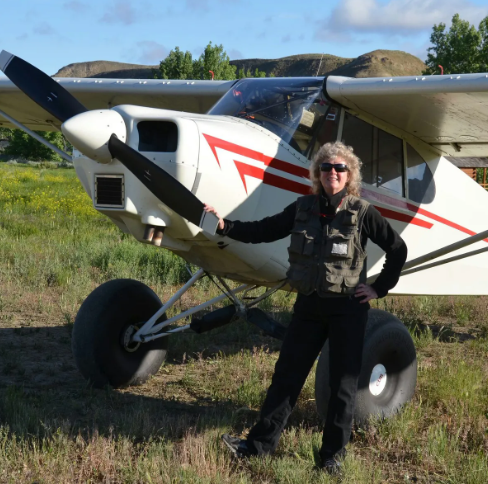
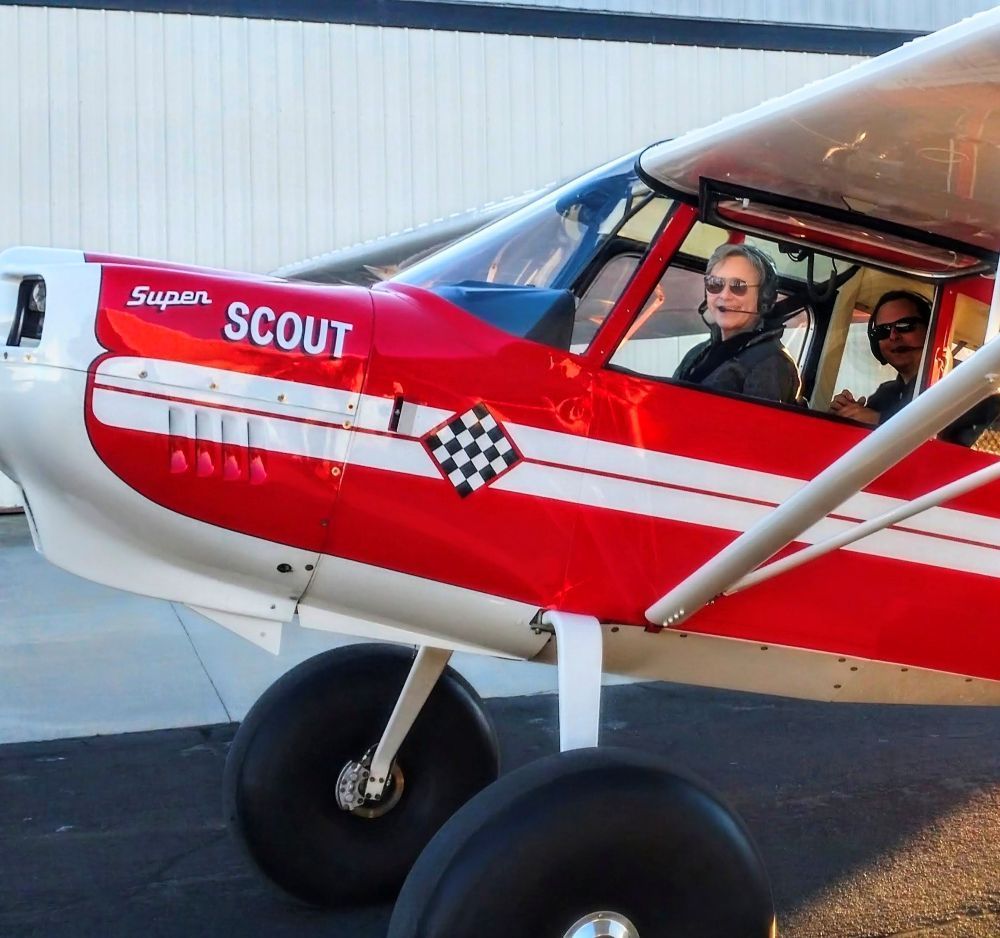
Wendy was introduced to aviation as a five-year-old when her family transferred overseas, but she had no dream of becoming a pilot. That all changed when, as a solution to a transportation problem, she took her first flight in a single-engine airplane to visit college friends. Wendy was hooked! Just three months later, she’d earned her private pilot license, and she has been flying ever since, earning more ratings along the way. Wendy continues to hone her backcountry flying skills in Utah, Idaho, and Montana, flying across the lower 48 states and even to Baja. Always an eager volunteer, Wendy continues to work hard helping preserve backcountry airstrips at work parties. She knows the importance of commenting on government actions that affect backcountry airstrips.
Submitted February 16, 2026
Posted in Guest Editorial, News
Recent Posts