Archive for 2003 - 2010

By Lisa Ellington September 17, 2010
Download the press release here Submitted on September 17, 2010.
By Lisa Ellington September 2, 2009
Following years of work and discussions, on July 2 Abigail Kimbell, Chief of the U. S. Forest Service, signed a directive acknowledging the long and proud history of aviation use and airstrips on forest service lands, and asked USFS managers at all levels to inventory and maintain existing facilities, and to support aviation as an…
By Lisa Ellington June 30, 2008
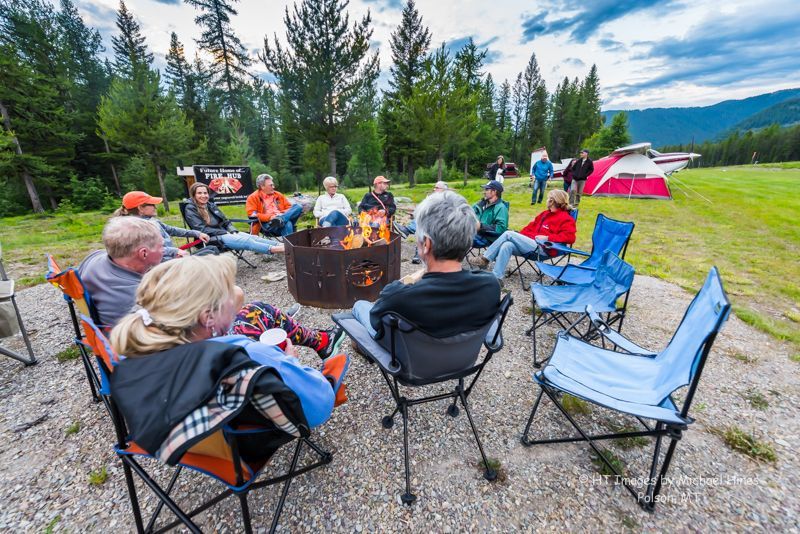
The Ryan Field fly-in and dedication was held on Saturday June 21st 2008. Submitted on June 30, 2008.
By Lisa Ellington March 15, 2008
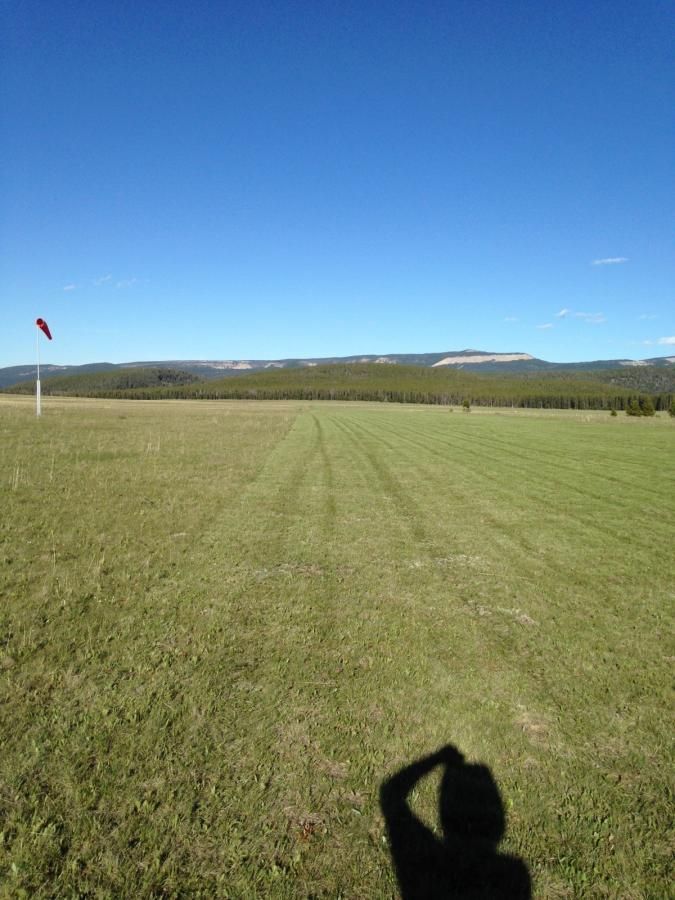
Four years spent cooperating with the US Forest Service, planning, building trust and credibility has resulted in a new site for a recreational airstrip in the beautiful Russian Flat of central Montana, a short walk from the south fork of the Judith River where anglers enjoy catch-and-release fishing. Dan Prill of Sand Coulee, Montana, took…
By Lisa Ellington October 13, 2007
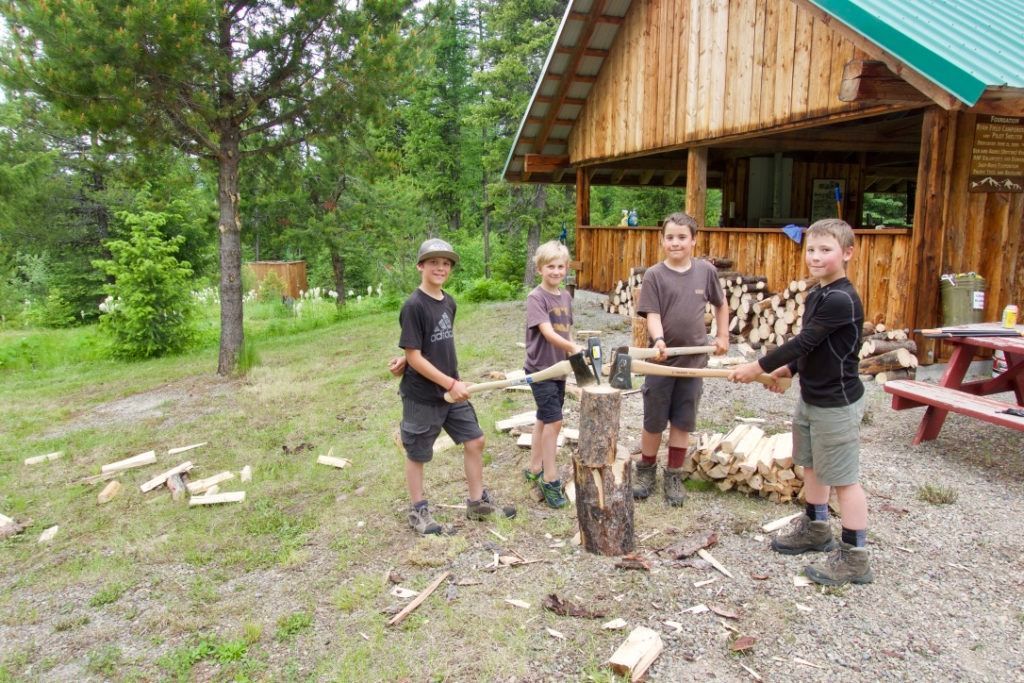
A 24′ X 30′ pilot shelter is available at the RAF’s Ryan Field adjacent to Glacier Park in Montana. Submitted on October 13, 2007.
By Lisa Ellington August 23, 2007
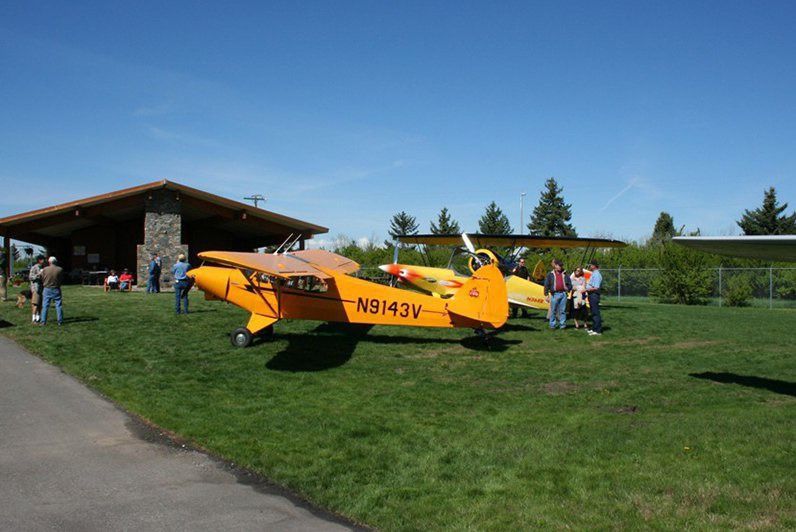
The RAF worked with the Bozeman, Montana Airport Authority in constructing a new pilot shelter at the BZN airport. The building can be used by local pilots and transient campers. Submitted on August 23, 2007.
By Lisa Ellington June 7, 2006
The RAF recently received a generous grant from the Wolf Aviation Fund supported by Alfred L. and Constance C. Wolf. The grant dollars have been used to fund the legal research on Recreational Use Statutes in all 50 states with the goal of creating a database and identifying their strengths and weaknesses so that the…
By Lisa Ellington March 1, 2006
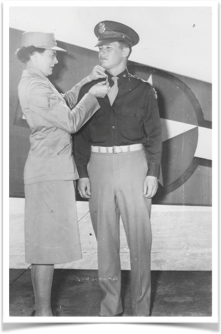
Ben Ryan’s P-38 was out of control. The Lightning following him had just taken evasive action to avoid a collision and, in doing so, the other aircraft peeled the right-vertical stabilizer from Ben’s twin fighter. Ben was helpless; rudder and elevator, gone. His aircraft tucked into a steep dive and the roiling waters of the…
By Lisa Ellington April 5, 2005
Tuweep The Grand Canyon Secret Few things are more disappointing to pilots than an enormous white “X” marking the threshold of their favorite recreational airstrip. Such is now the case at Tuweep (L50) airstrip on the north rim of the Grand Canyon. Update: The RAF has been participating in the potential lease and reopening process of…
December 7, 2003
“Where have all the airstrips gone?” Do pilots want to sing this song far into the future? General aviation airstrips in the United States are disappearing at a rate of 2 per week. Some are well publicized, such as Meigs Field in Chicago. Others receive little or no publicity including many unpaved airstrips in rural…

Recent Posts
June 18, 2026
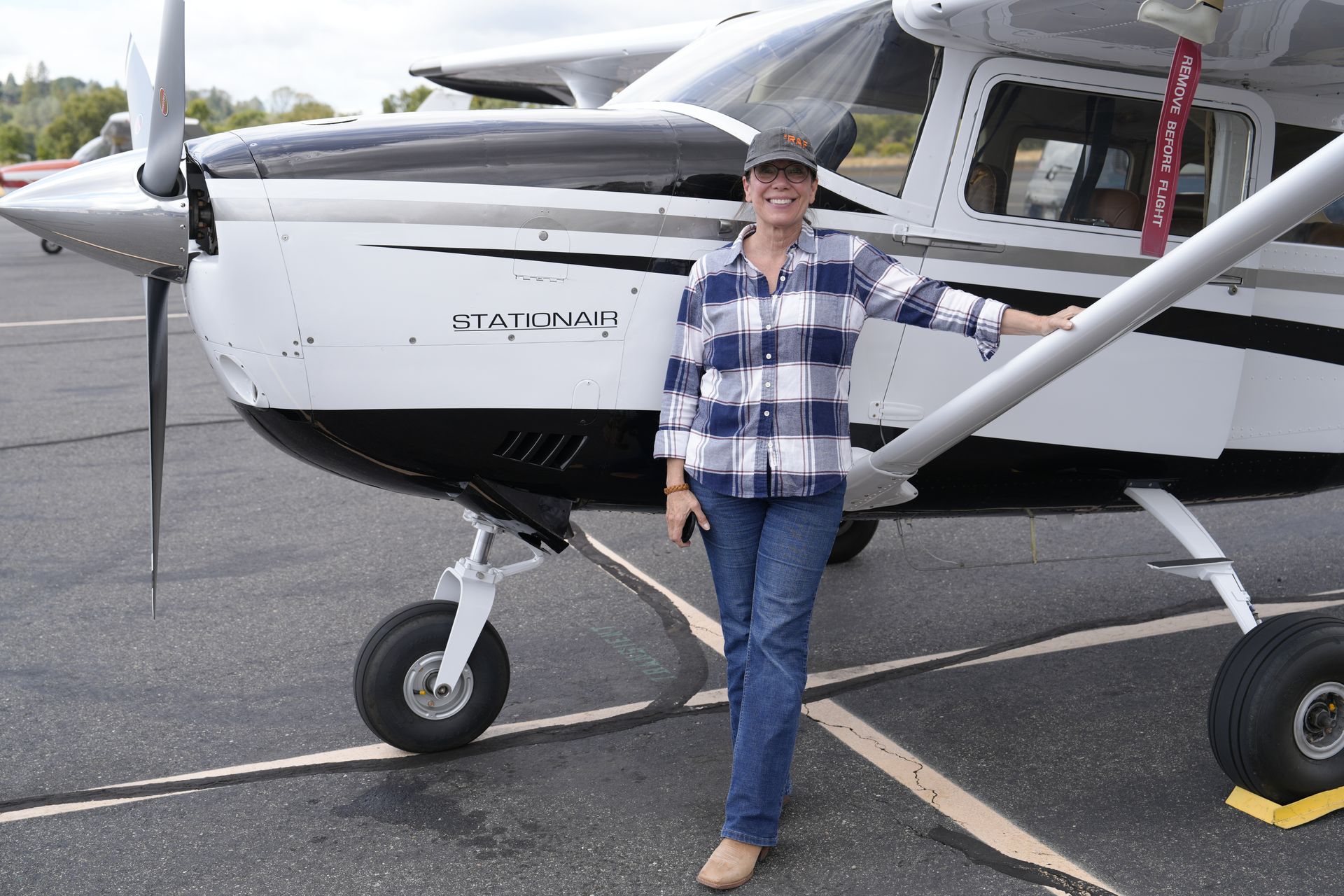
Our many RAF supporters have such vast and varied experience, and we’re capturing some of their words of wisdom to share with you. This guest editorial is by Neil Mortine, a marketing and relations executive, RAF Supporter, and husband of RAF Ohio Liaison Christine Mortine.
June 17, 2026
Taylor Flat Airstrip, just a stone’s throw from the wild and scenic Green River as it carves through spectacular Utah canyons, is officially reopened. Thanks to a cooperative effort between the RAF and Utah Back Country Pilots (UBCP), Taylor Flat Airstrip, TF9, is one more recreational destination pilots can once again enjoy as the RAF works on Expanding The Map ! In 2023, dialog was initiated with the BLM to reopen the airstrip. Daggett County got involved, and RAF Utah Liaison Wendy Lessig navigated the required NEPA process. Lessig was instrumental in preparing a right of way (ROW) lease agreement application, coordinating between Daggett County, the BLM, and other stakeholders, and gathering information to assist the BLM throughout the required Environmental Assessment. “Thanks to Wendy taking action as the RAF Liaison, and her professional persistence following through the lengthy public review process, Taylor Flat Airstrip will reopen as another unique backcountry destination," RAF President Bill McGlynn said. The RAF and UBCP teamed up May 9 to revitalize the airstrip, which had lain dormant for thirty years. “The work party was a resounding success,” Lessig reports. ”We are grateful for the twenty-five volunteers who hand-picked rocks from the airstrip, and used them to mark the runway corners and threshold. “
June 16, 2026
Starting this month, we’re sharing messages from our RAF Safety, Education and Etiquette “SEE” committee. We hope you like the way we present these stories, and most importantly, we hope you’re one of those folks willing to sit around the campfire and help your friends become better at this thing we call backcountry aviation. We all see things that might not end well. We don’t intend to call anyone out for what might already be a bad day in someone’s flying life. In the interest of safety, we’re inviting you to be part of the culture starting with, “see something, say something.” The hard part might be how to politely deliver that message, and even more important, how to react if we are on the receiving end of someone’s comment. It takes maturity to accept input, especially at one of those moments when maybe we realize things could have just gotten much worse for us. I know I’ve been in “that place” when some thoughtful input about my flying or behavior has been offered. Part of flying is to always strive to be better; and when we aren’t at our best, try to own our shortcomings, learn from them, and move forward. I think about this often. I worry that if we don’t work at getting this part right, at best we risk losing access due to bad practices or behavior; and at worst we risk people getting hurt or worse. It’s that last piece that keeps me up at night. Of all the joys that doing this work brings us at the RAF, the risk of people getting hurt is what I think about the most. Safety, education, and etiquette are tied. Getting these right means the best outcome. So, get out there this summer. Get some grass stains on your wheels, get some bugs on your windscreen, get better at your craft of flying the airplane, meet some new people, and for sure start to create those special friendships that begin around a campfire under a starlit night. - John McKenna, RAF Chairman Submitted June 16, 2026
June 15, 2026
By RAF Director Bill Brine and the RAF's Safety, Education, and Etiquette Committee. Too many backcountry accidents happen on the third approach. After two unsuccessful attempts at landing, the pilot is tired, anxious, behind the airplane, and making decisions with a brain that has been running down since the first go-around. The airstrip hasn’t gotten easier. Third time’s NOT a charm. What’s driving this is cultural. Baseball is “three strikes, you’re out.” Could this thinking have joined us in the cockpit? We aren’t playing baseball out here. The backcountry does not give you that third strike. It gives you consequences. Our RAF Code of Conduct calls on each of us to establish personal minimums based on sound aeronautical decision-making — before we need them. Decide your limits at the kitchen table. Write it down. Brief your passengers. Commit to it before you start the engine. That’s when the rule does its job and leads to that hoped-for experience you set out on. Here is one worth considering: two attempts, fly away, head somewhere else . Not because your mission failed, but because you made a sound decision. Flying away is not defeat. Head to your alternate. Land, shut down, and let everyone decompress. Unload gear, leave passengers, go back solo, or call it a day. Those are good outcomes. Submitted June 15, 2026 Photo Credit: Scott Newpower
By Carmine Mowbray June 15, 2026
This month, the RAF is featuring our friend Charlie Gregoire, co-founder of innovative Redbird Simulators. Redbird's story is of a few guys who acted on their great idea to make it easier and more affordable for anyone to become a pilot. In 2006, they imagined a flight simulator that made a pilot feel like they were flying a real airplane. “We thought a decaying Cessna Cardinal RG was the perfect prototype,” Charlie said, and “Redbird” was born. “After a few more not-quite-right prototypes, we arrived at our first product, the Redbird FMX.” And driven by the idea to make initial flight training affordable, Redbird FMX is a great primary loggable training platform. Since then, Redbird has delivered over 7,000 aviation training devices to more than 60 countries. From desktop models to full-motion units, “We’re proud of the revolutionary changes our employees and customers are bringing to this industry we are all so passionate about,” Charlie says. Charlie also serves as a member of the special RAF group of volunteers we call the Vy Group. Pilots know that Vy is the “best rate of climb” speed, and these folks help steer the RAF in ways to “gain altitude” efficiently. Redbird and the RAF have partnered on the idea to prepare pilots for the unconventional demands of backcountry flying. Redbird has incorporated backcountry training scenarios, and graciously shares their wide selection of “off pavement” experiences by inviting pilots to try their hand in simulators at aviation events, like AirVenture and Sun ’n Fun. This year we invite you to Redbird’s interactive display at AirVenture, booth 301. While there, enjoy coffee and donuts with the Redbird team and us from 8:30 am to 10:30 am on Tuesday, July 21. Charlie and his team recognize the value of partnerships like ours. He says partnerships are an important part of Redbird’s past and future success. We share a common goal to make GA as safe as possible – wherever, and whatever you choose to fly – and keep it strong with passion, dedication, and commitment. See Redbird’s complete story here . Submitted June 15, 2026 By Carmine Mowbray