WORTH THE READ: JEFF SMITH GUEST EDITORIAL

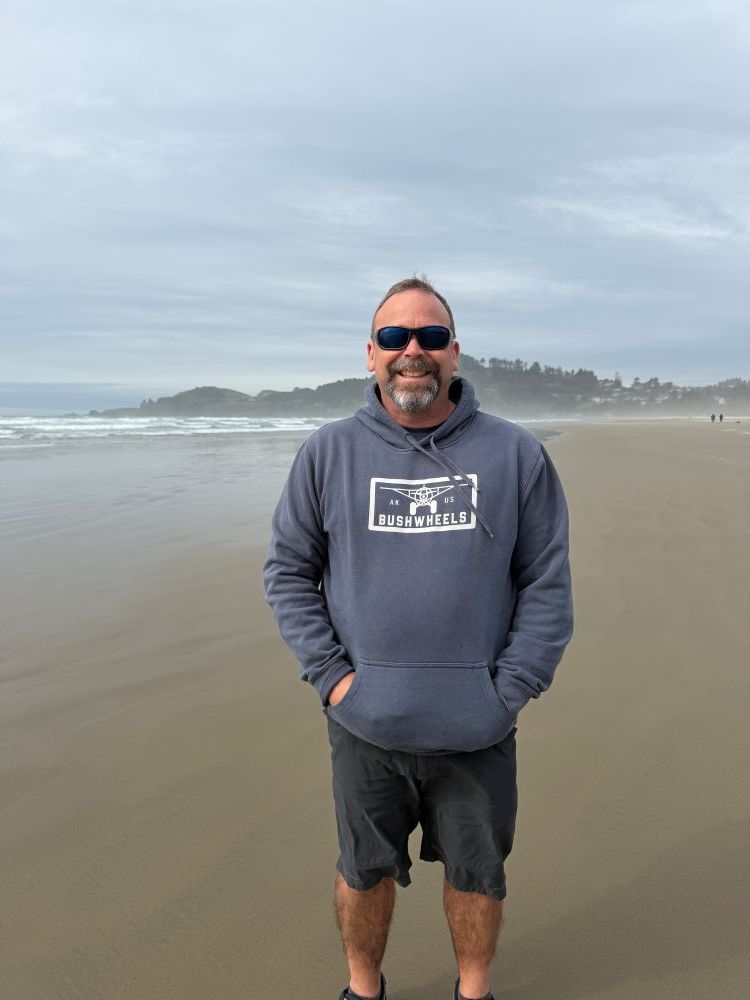
Our many RAF supporters have such vast and varied experience, and we’re capturing some of their words of wisdom to share with you. This guest editorial is by Jeff Smith, a pilot and an RAF Supporter.

Backcountry Season Is Here—Are You Prepared to Take Care of Each Other?

It’s that time of year again when our conversations shift toward backcountry flying. Annuals and condition inspections are wrapping up, new gear has found its way into our airplanes, and many of us are flying more regularly. Plans are being made, routes discussed, and airplanes repositioned. All of this is part of the fun—but it may not be enough.


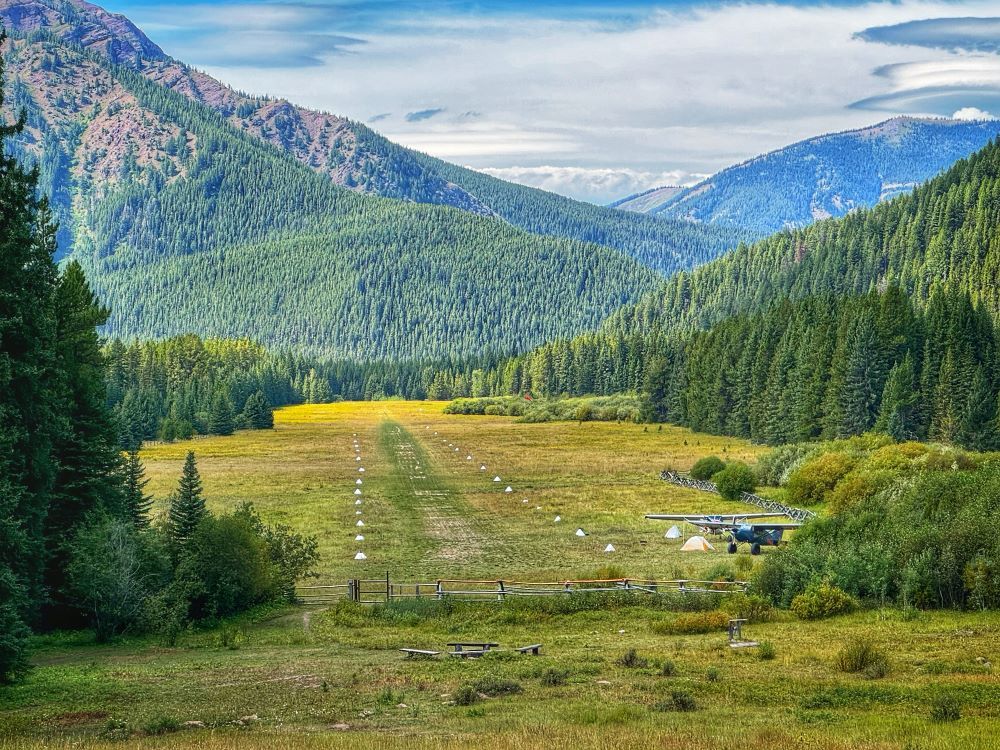
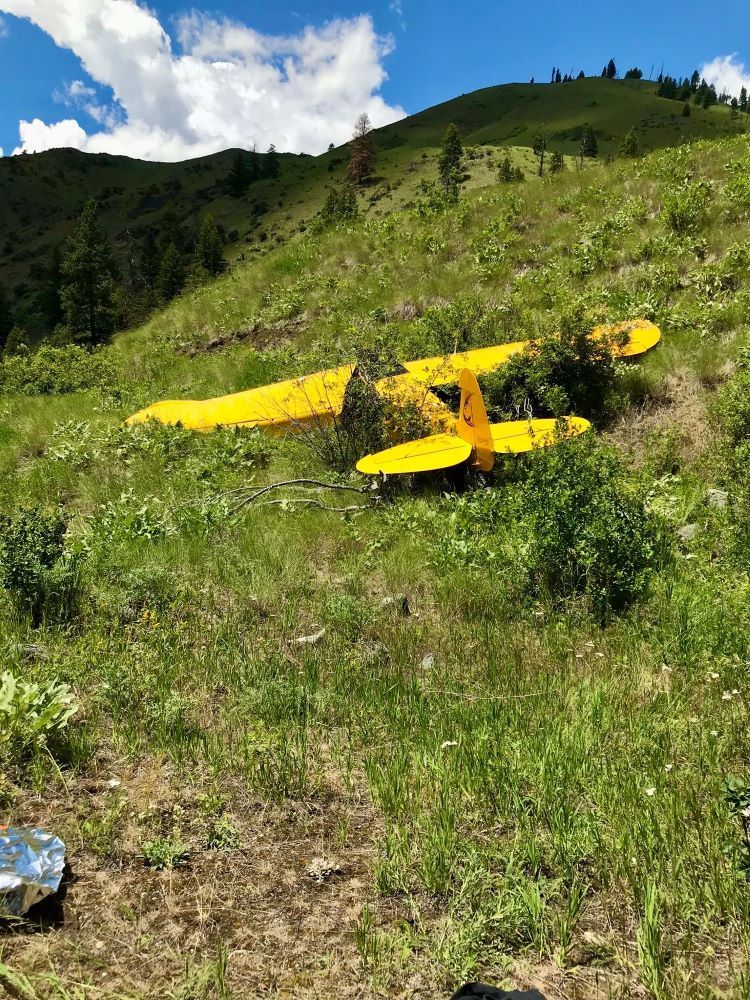
In June of 2018, during my first backcountry trip, I found myself in the right place at the right time to help a friend. Not by design, but because earlier in life I had training as a medic—training that suddenly mattered when an accident occurred in our group while flying in the Idaho backcountry.


Forty years earlier, I had served as an EMT in southeast Ohio as part of a rural emergency care initiative. Back then, accidents in rural America too often ended badly simply because timely, competent care wasn’t available. That experience stayed with me.

In 2018, a stall-spin accident at a no-go-around strip left a close friend pinned in his aircraft, unconscious and fighting for his life. The three of us who were not involved in the accident worked together to extract him, provide critical care, and get rescue services moving. Because of teamwork—and preparation—that day had a good ending.


I’m sharing this with our RAF community for one reason: as you prepare your airplane, your gear, and your flying skills for the coming season, please consider adding basic first aid training to your toolkit. Courses are widely available through organizations like the American Heart Association, the American Red Cross, and even low-cost online options through OSHA. And if you really want to be prepared, there are many Wilderness First Responder courses available that will prepare you for the unique circumstances you’ll likely face in the event of an accident in remote areas. Practical skills, including bleeding control, wound management, bandaging, splinting, spine stable patient packaging, hypothermia management, as well as treating illnesses and critical thinking skills, are covered in these courses.

We all work hard to manage airspeed, fly close to terrain, and land precisely. Those skills keep us safe. But the first aid skills you bring into the backcountry may save someone else’s life. Treat them as seriously as your tie-downs or survival gear.


And while care is being given, make sure someone in your group is summoning help—whether by satellite communicator or modern phone capability. Be intentional about having a plan.


With basic first aid skills and a reliable way to call for help, we improve the odds that we—and our friends—get to come back and do this again.

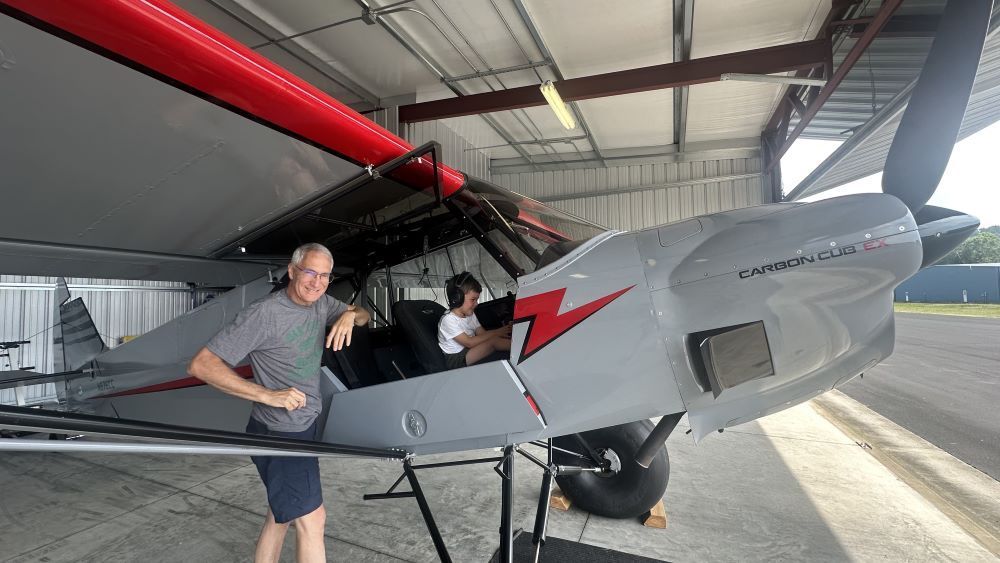
Jeff didn’t start flying until later in life, obtaining his private license and instrument rating at age 40.  Over the next several years, Jeff built time in a Cherokee Six, then built a Van’s RV-7A, eventually purchased a Cirrus SR22, and recently built a Carbon Cub EX-2.  Despite the late start, Jeff has always been interested in aviation.


Jeff retired from Oak Ridge National Laboratory as the Interim Director and served as the lab’s Chief Operating Officer for 22 years.


Confirmed by the U.S. Senate, he served as a Director on the Tennessee Valley Authority (TVA) Board, the nation’s largest public utility, from 2017 to 2021.  In 2002, he served a temporary assignment with the White House Transition Office after 9/11, supporting the consolidation of numerous federal agencies into the Department of Homeland Security.


Jeff served as a Commissioner for the Metropolitan Knoxville Airport Authority from 2004 to 2021, where he championed the recruitment of Cirrus Aircraft to Knoxville.  


Jeff’s focus during retirement has been with Rockwood Aviation, a company he started with Todd Simmons, Mike Goulian, and Randy Massey to manage and develop the Rockwood Airport (RKW) in East Tennessee.  Most recently, Jeff supported the Recreational Aviation Foundation in the development of their current five-year strategic plan.

Submitted March 3, 2026


Posted in Guest EditorialNews

Recent Posts

By lellington April 3, 2026
Call To Action Volunteer
March 30, 2026
As you're planning your 2026 flying adventures, remember to review safety briefings for the airstrips you plan to visit. The RAF strongly recommends you review safety briefings and print a copy to have in your airplane - it's even required to fly into some airfields, like Ryan Field (2MT1). For those airfields, pilots flying in are required to review the briefing on an annual basis, and now is the perfect time to catch up on any changes to the runway/area that happened throughout the winter. You can find safety briefings on the RAF Airfield Guide . If an airfield in the Airfield Guide has a required briefing, the airfield listing will clearly indicate it and have a tab to view the briefing. Submitted March 30, 2026 Photo By Jim Stevenson
March 30, 2026
RAF Texas volunteers and Ranger Airfield Foundation volunteers helped begin restoration of the historic 1928 Ranger Airfield hangar on March 28. “A Wright biplane landed here at the field in 1911, and people have been using it ever since,” Ranger Airfield Foundation Founder Jared Calvert said. He noted that Amelia Earhart landed there in a Pitcairn Auto Gyro. Richard Bach, Pancho Barnes, and General Patton also landed at the field. It’s the oldest continuously used turf field in Texas. 
By Carmine Mowbray March 30, 2026
For adventurers seeking access to the Gila Wilderness, we suggest landing at Sacaton Airstrip, NM16, near Buckhorn, New Mexico. The runway lies on a “finger mesa,” and the Rain Creek trailhead lies just northeast of the field. Thanks to RAF New Mexico Liaison Ron Keller's coordination with the USFS using a Cost Share Agreement, Keller was able to organize RAF and New Mexico Pilot Association (NMPA) volunteers to rehabilitate and reopen the long-abandoned airstrip in 2022. Beyond reopening the airstrip, Keller added camping amenities, including picnic tables and a new vault toilet. Most recently, Keller oversaw the installation of new shade structures, most welcoming to campers and hikers. RAF and NMPA volunteers complete ongoing maintenance at Sacaton and other airfields in the Gila National Forest. You’ll see white-painted rocks along Sacaton’s 3,989-ft dirt runway, and surrounding the segmented circle near the RAF windsock. The airstrip lies at 6,200-ft elevation, so pilots should be mindful of density altitude while flying over high terrain in the vicinity, even in winter temperatures.  “Anglers will enjoy plying streams for the rare native copper-colored Gila trout, once a threatened species,” Keller reports. The mile-and-a-half trail to the crossing at Rain Creek is narrow and challenging and traverses a variety of terrain, but the serious hiker will be rewarded trekking through steep canyon walls lined with green alder, willow, and boxelder, hoodoos, and eagle aeries above. There are rumors of a double waterfall some distance on the west fork of Rain Creek trail. See the Sacaton page in the Airfield Guide for more details. Note that the airstrip may be unusable due to snow or after heavy rains. This runway should be considered one-way in/one-way out to avoid overflying the Wilderness boundary. There is a 4.6% upslope to the East, favoring landing Runway 08 with right traffic, remaining clear of the Wilderness east and north of the airfield. Please consider others seeking a Wilderness experience. Prior to landing at Sacaton, permission is required by calling the USFS Gila Dispatch center at 800-538-1644. Please familiarize yourself with Sacaton in the Airfield Guide and the New Mexico Pilots Association Safety Briefing . Submitted March 30, 2025 By Carmine Mowbray
By lellington March 29, 2026