Six decades later Ben still loves aviation; and it is evident when you visit his home. The three airplanes that Ben built years ago sit in the hangar by his home, looking like they are ready to fly. Early in the 1970’s, Ben and his wife Agnes–affectionately known as “Butchie” from her maiden name Butchkosky–began construction of an airstrip on their property near Glacier National Park. To create their airstrip, Ben spent several summers filling a wide drainage between two level benches with only a small front-end loader on his tractor–the equivalent of filling a swimming pool with a teaspoon.
IN THE SHADOW OF GLACIER NATIONAL PARK VETERAN PILOT DONATES BACKCOUNTRY STRIP
Ben Ryan’s P-38 was out of control. The Lightning following him had just taken evasive action to avoid a collision and, in doing so, the other aircraft peeled the right-vertical stabilizer from Ben’s twin fighter. Ben was helpless; rudder and elevator, gone. His aircraft tucked into a steep dive and the roiling waters of the Pacific Ocean off the coast of Panama filled his vision. Sliding the canopy back, he dropped clear and immediately deployed his chute. Seconds later, the P-38 disappeared, with nothing but a circle of foam remaining on the surface of the ocean below. After his own splashdown, a native brought him to shore. The very next day, Ben was back in the air.
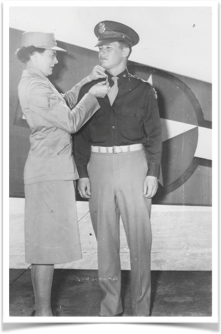
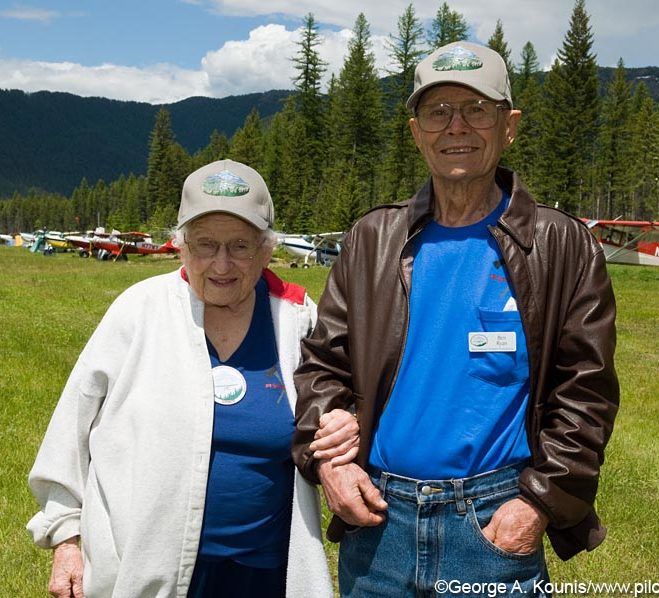
Summers were spent creating the runway, and Ben’s winters were spent buying, building and restoring airplanes. In 1974, he began construction of his first plans-built airplane, a tandem seat Wendt Traveler. Three years later, it was complete and ready for its maiden flight. Ben was back in the air and loving every minute.
Bestowing the Love of Flying
Two years ago, the childless couple began to consider their legacy. How would the Ryan name continue? At the recommendation of a friend, they called to inquire about the recently formed Recreational Aviation Foundation; a non-profit organization dedicated to preserving recreational airstrips.
RAF Director, Chuck Jarecki, met with the Ryans to begin a dialog and to determine what their level of involvement might be. The Ryans fell in love with Chuck; and, likewise, he with them, establishing a positive relationship personally and with the RAF. Their desire was to leave a gift to the pilot community that would continue in perpetuity; to bring joy to others as it has brought joy to them and to help reverse the tendency for airstrips to disappear. They began to implement a plan to incrementally transfer ownership of the entire property to the RAF for the creation of a recreational pilot’s retreat with a public-use airstrip.
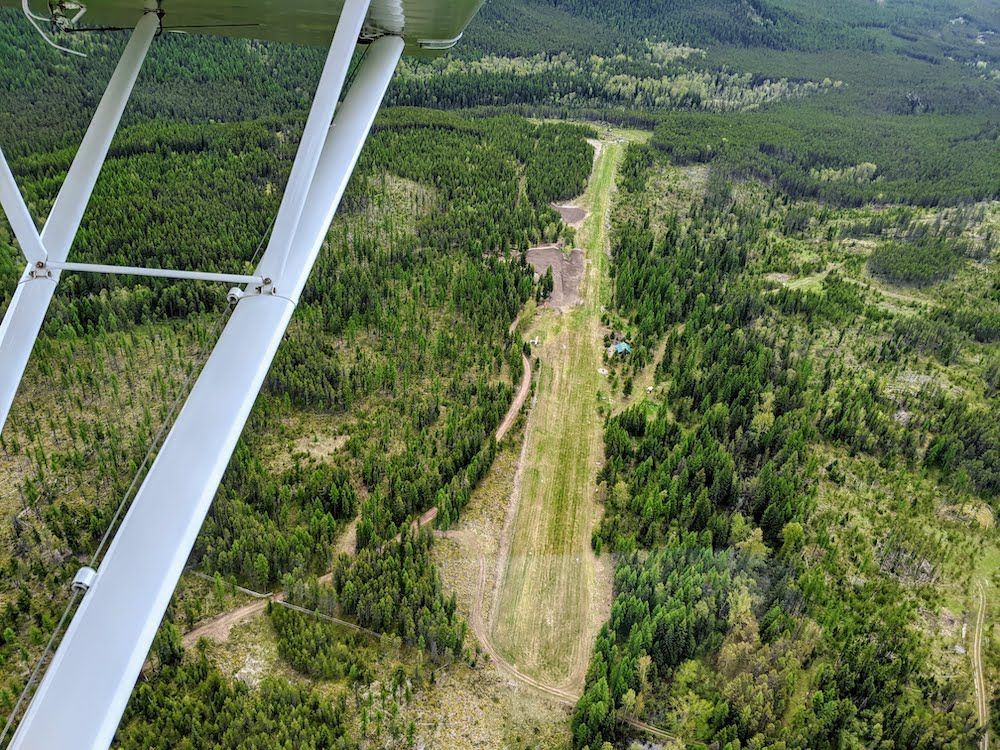
Ryan’s property adjacent to the airstrip was mostly covered with timber, creating a serious forest fire hazard. Ben requested the RAF to contract for and supervise a selective timber harvest to enhance the recreational aspects of the property and reduce the fire danger. The income from the logging operation was used to establish an account for perpetual maintenance of the airstrip. Situated at 3,600 feet on the west slope of the Flathead Range, the airstrip is kept mowed all summer and the windsock is changed when it becomes faded. However, Ben states, “this is still a ‘bush’ airstrip.” Tall trees occupy both ends and squirrelly winds can test any pilot’s flying skills. A steep, stabilized approach is required to set-down in the first third of the 2,500 ft. runway.
Foundation Maximizes Benefits to Donors
Because of the magnitude of this gift, the RAF formed an Auxiliary Foundation to maximize the tax benefit to the Ryans and future donors of properties or other significant endowments. Ryan Field is a treasure that we have the opportunity to enjoy for years to come and the Ryan legacy will continue through their generous donation. Words fail to express the gratitude each of us should have toward this lovely couple. It may also serve to create awareness of the capability of others of leaving a similar legacy.
While the airstrip is a gift to the flying public and backcountry aviation, the Ryans still make their quiet home there. They cherish your visit, but ask that you first make arrangements with the RAF so that they know when you’ll arrive. You are welcome, but the RAF asks that you respect their privacy. Due to the nature of the area, large fly-ins are not appropriate. Use common courtesy, and keep aircraft numbers at a minimum.
If you have the opportunity to visit, you can expect the Ryans to give you a tour. Ask Ben about his airplanes and you’ll be invited into his hangar. You’ll be captivated by the stories both of them have about their life together after meeting on a blind date during World War II. Butchie always enjoys fresh fruit or a box of chocolates. Tell them how much you appreciate their sacrifice for this country and for the flying public. One thing is certain; you won’t want to leave.
When the native brought Ben to shore after escaping his crippled airplane, the government offered a reward for saving a fallen airman–fifty dollars–a heck of an investment for putting this remarkable life back into commission. Perhaps, you too will consider a similar investment toward the future of backcountry aviation.
If you’re interested in visiting:
Please contact one of the Board Members of the RAF if you are considering visiting the Ryan Property. The Ryans still live on the property and ask that you call ahead to schedule your visit. Go to our Contact Us section. Any of the directors can make arrangements for you.
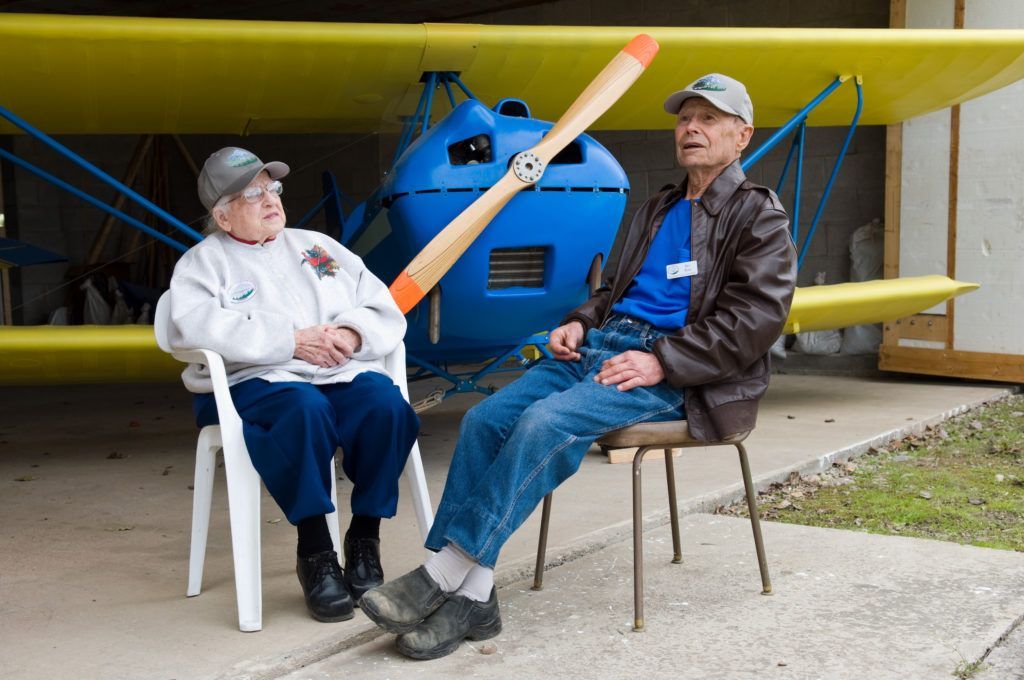
The Ryan’s were publicly thanked for their extraordinary donation and vision at the 2006 Montana Aviation Convention in Helena, Montana in March of 2006.
To see a geographic layout of Ryan Field – Click Here
Originally published in the March/April 2006 issue of Pilot Getaways Magazine
Submitted on March 1, 2006.
Posted in News
Recent Posts
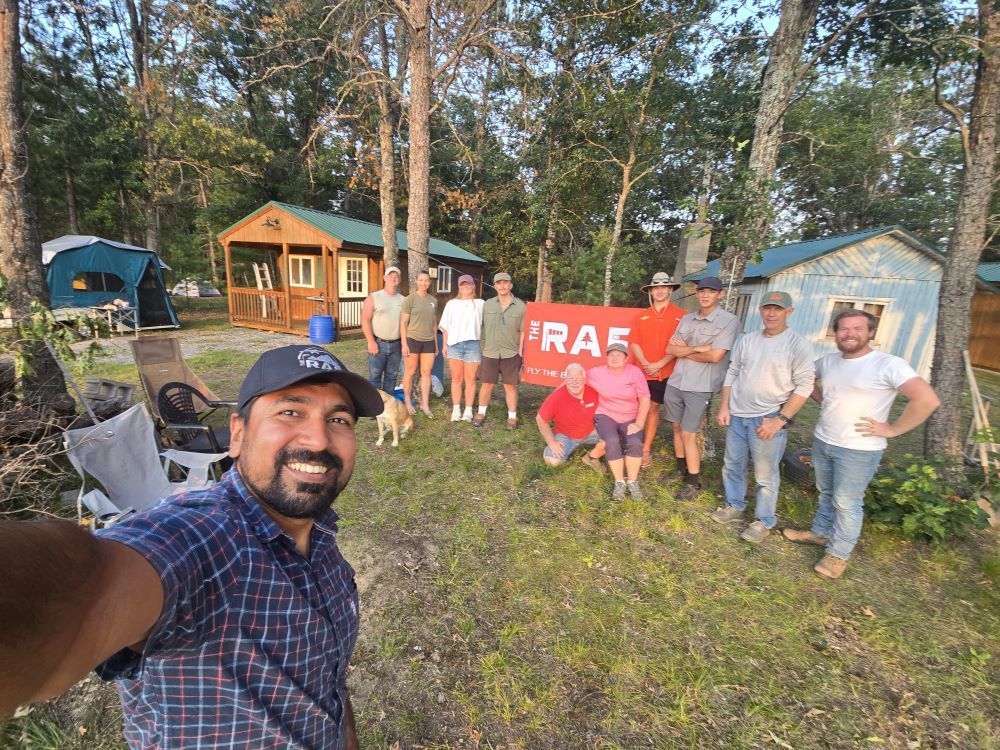
RAF Michigan Liaisons Tanmoy Ganguly and Scott Anttila met with district U.S. Forest Service staff prior to starting work at Lost Creek airstrip, now MI45, (formerly 5Y4) in the Huron-Manistee National Forest in north-central Michigan. “We had a very constructive discussion about what the RAF does, and what we envision for future amenities at Lost Creek airstrip,” Ganguly said. The mid-August work weekend attracted 16 aircraft and 20 volunteers, including new MI Ambassador Ryan Minnick, MI Ambassador Ehsan Hamtaei, and IN Liaison Bill Steinmetz, many of whom enjoyed camping overnight in the forested setting. The crew was joined by nearby residents who donated their time, tools, and machinery to help and provided snacks.
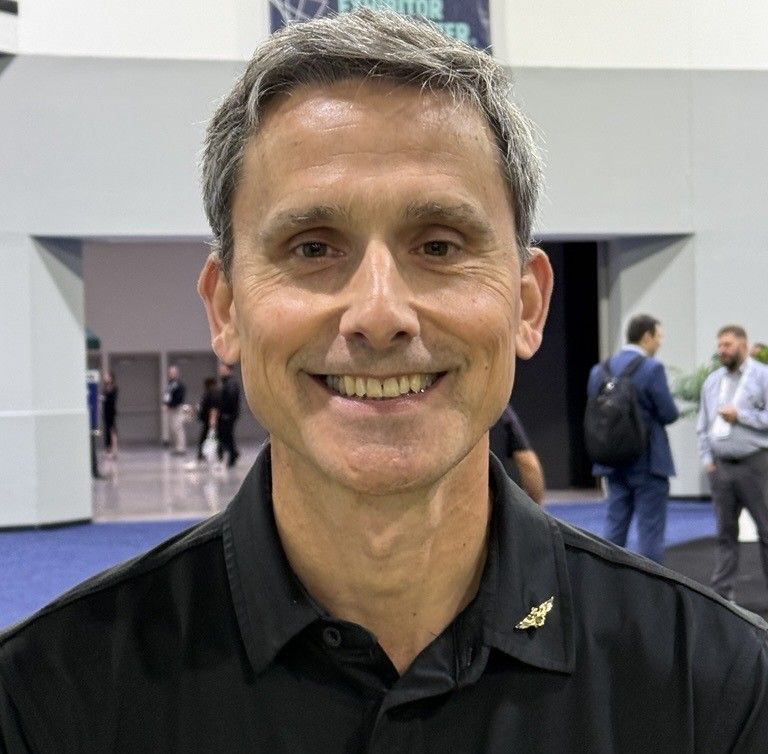
Submitted August 27, 2025
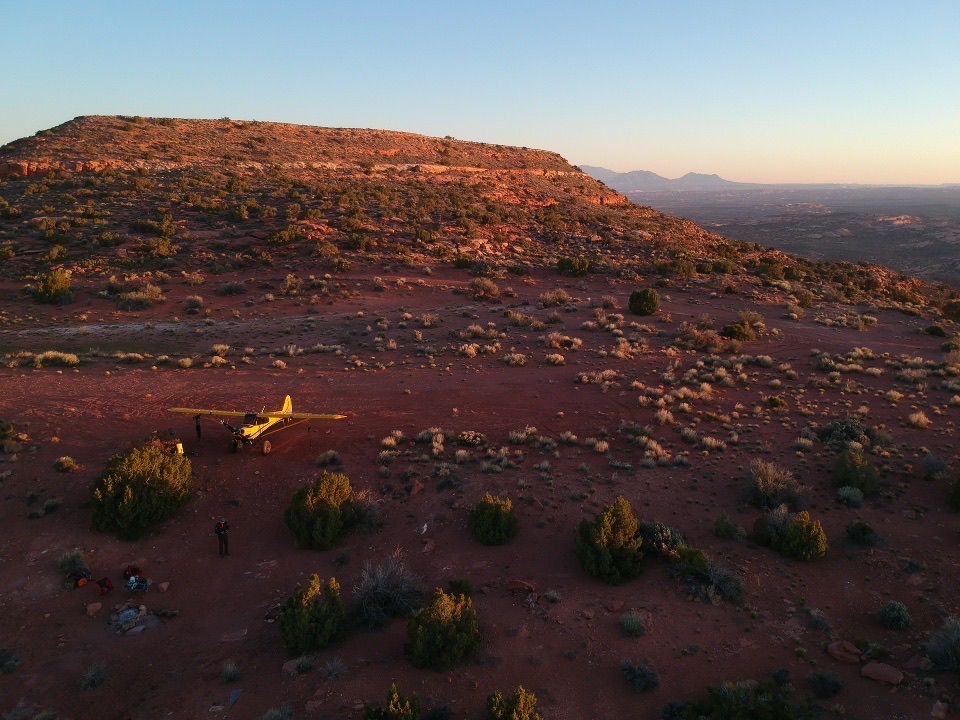
CALL TO ACTION: Public Comments Requested to Support Access to 10 of Utah's Sensational Backcountry Airstrips The BLM has issued an Environmental Assessment (EA) regarding the following ten Moab-Monticello backcountry airstrips. Pilot comments will help to open access to the airstrips. Your Comments are Needed by Thursday, September 3. Please use the link below to state in your own words why you support access to these backcountry airstrips: Nokai Dome Piute Canyon Potato Ridge Playa Big Flat Red Canyon Spring Canyon Castle Creek Steer Ridge West Wee Hope Mine
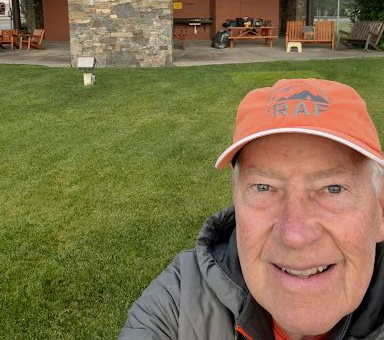
Our many RAF supporters have such vast and varied experience, and we’re capturing some of their words of wisdom to share with you. This guest editorial is by Bill McGlynn, President of the RAF.
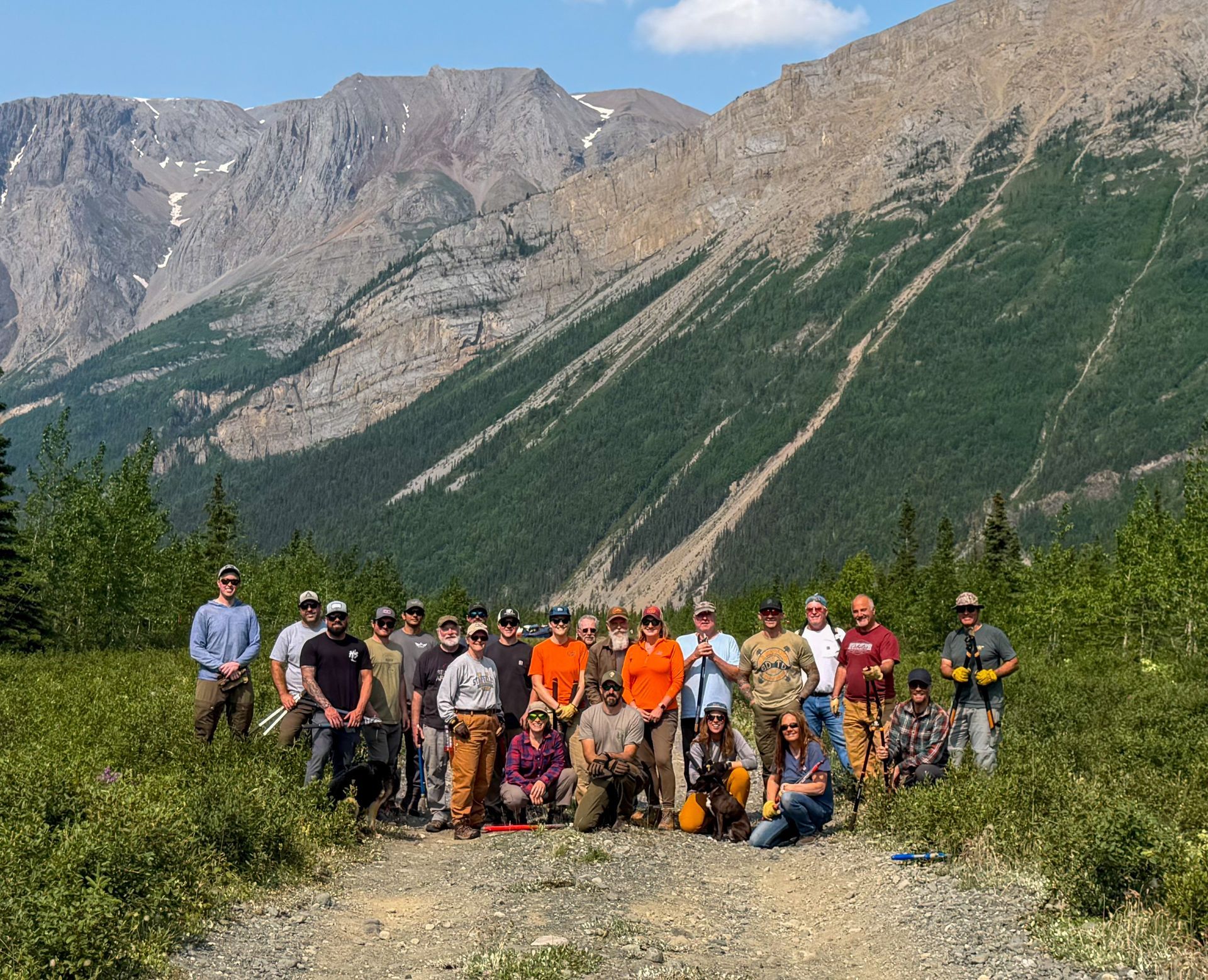
Nestled in among awe-inspiring mountains, Glacier Creek (KGZ) airstrip is 15 nm east of McCarthy in Alaska’s Wrangell-St. Elias National Park. On July 11, a work party drawing 25 volunteers was held there, led by RAF Alaska Liaison Stef Goza, her husband Randy, and Alaska Ambassador Bri Norby. They were joined by a group of National Park Service maintenance crew members who’d been flown in the night before and cleared the trail from the airstrip to the cabin before volunteers arrived.