MOWER RELAY ENDS SUCCESSFULLY AT NORTH FOX ISLAND

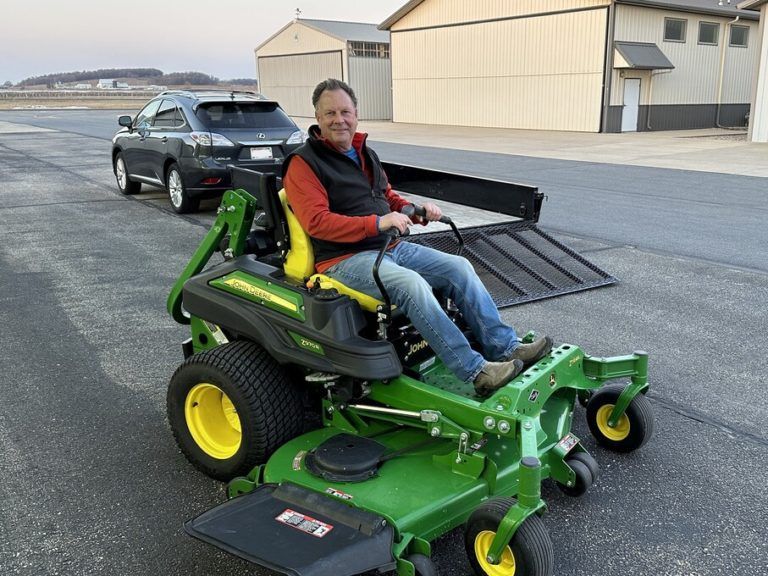
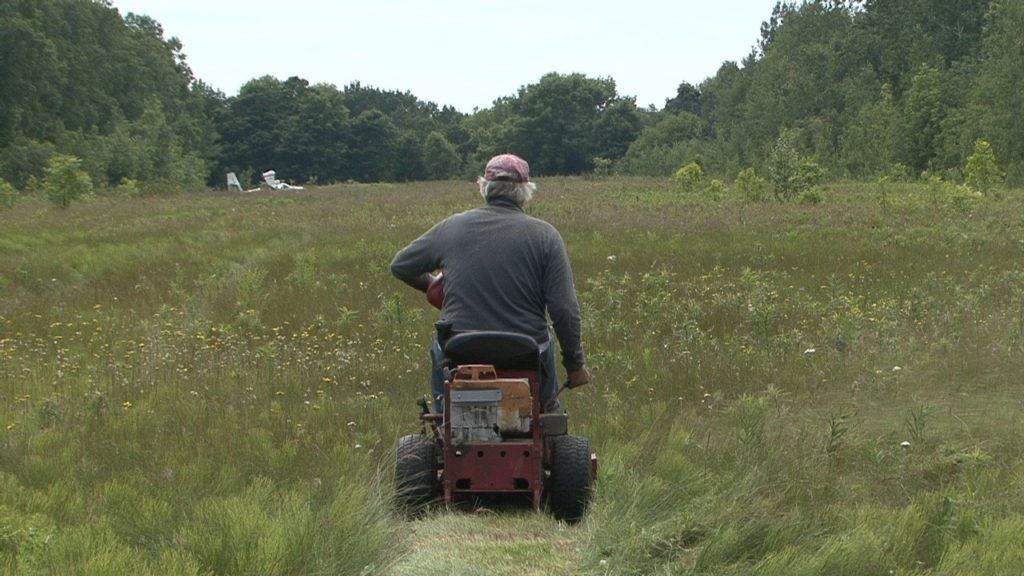
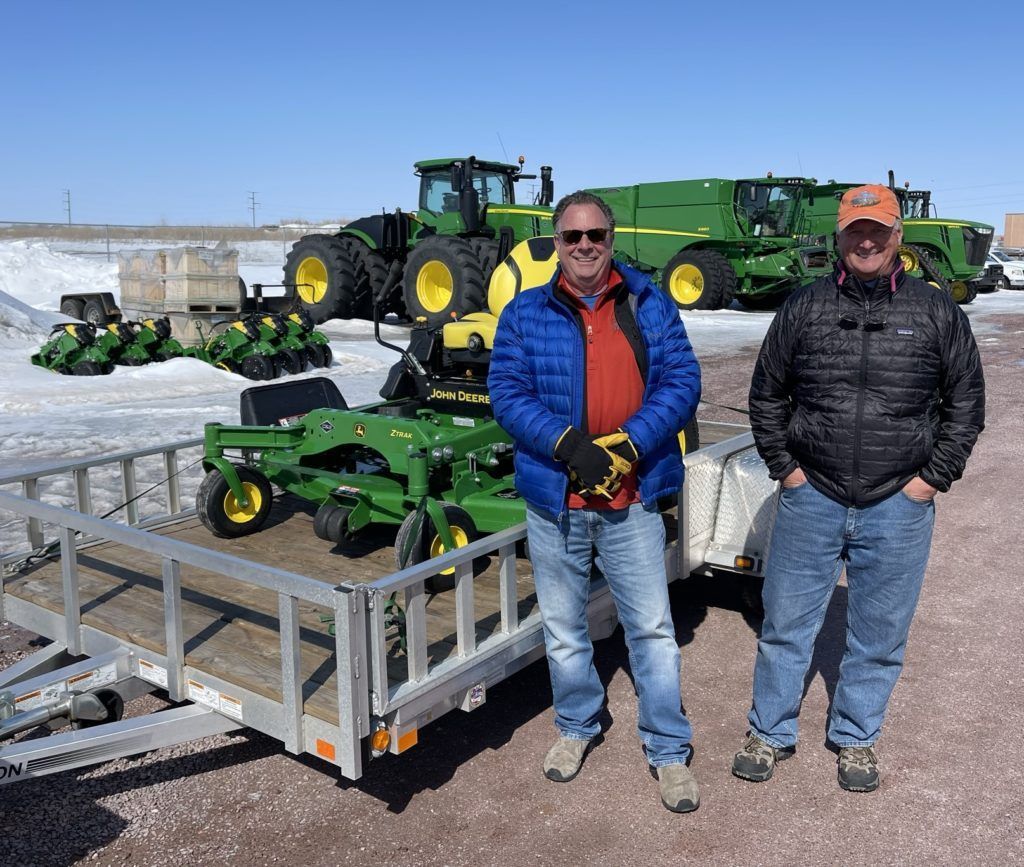
When former RAF Director and pilot Peter Burwell learned that it was taking twelve hours to mow the turf field at Michigan’s North Fox Island, he began the search for a suitable John Deere mower. Burwell, CEO of C&B Operations, a network of John Deere dealerships throughout the Midwest, located a mower in Luverne, MN, a stone’s throw from the South Dakota border. 


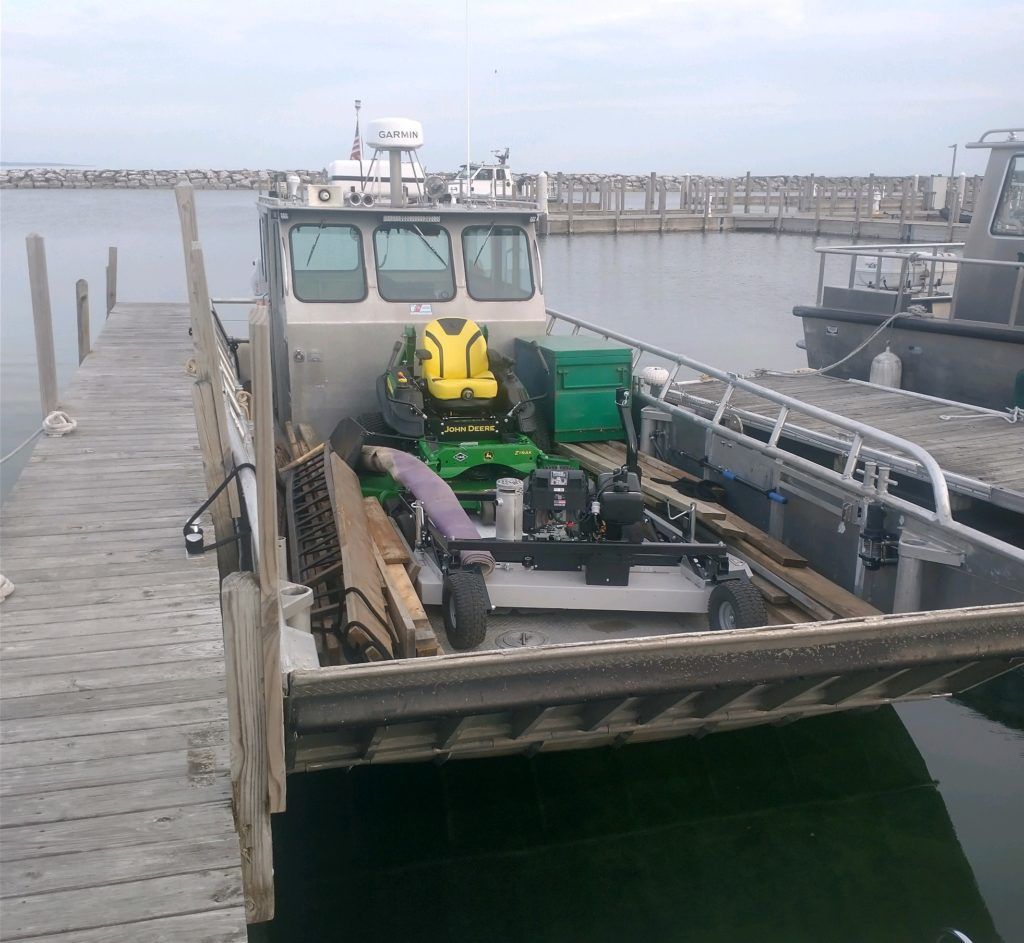
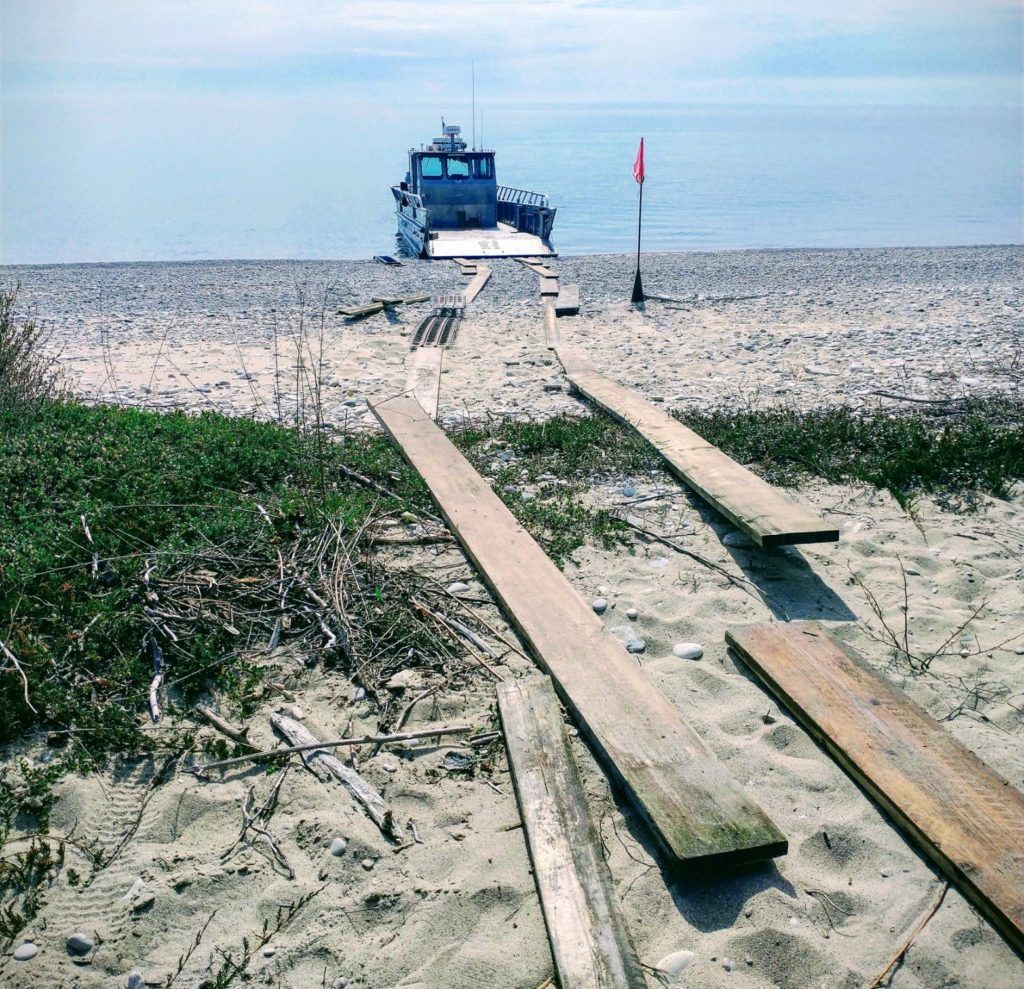
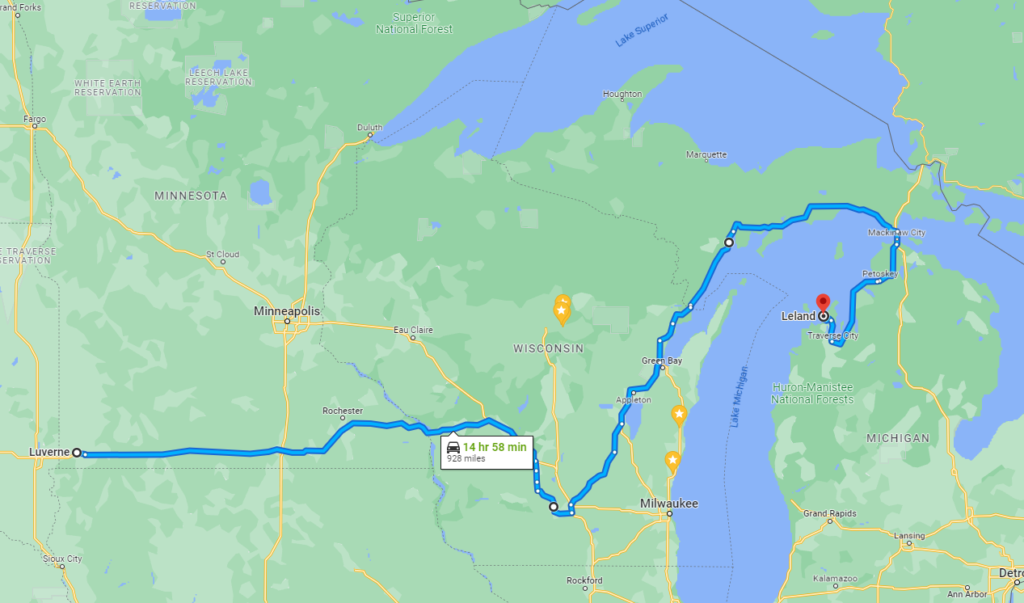
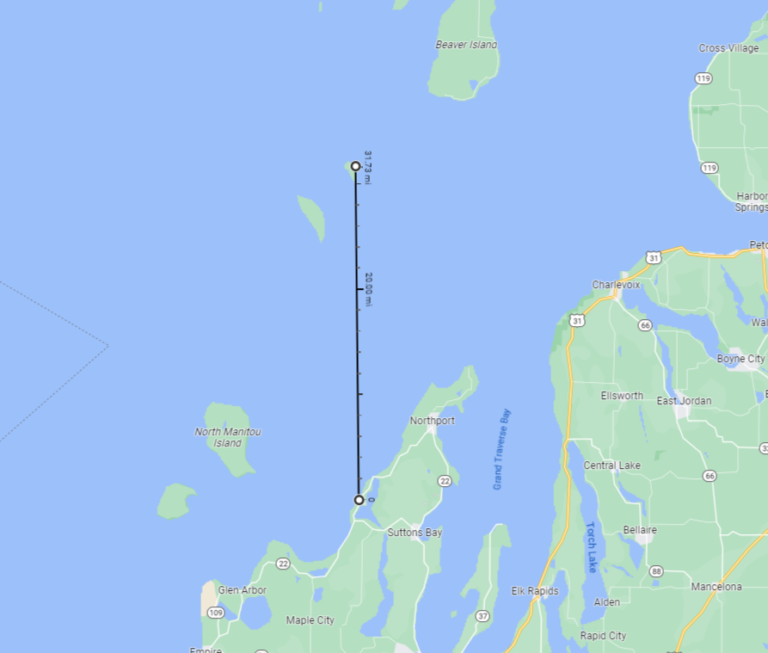
The trouble is, you don’t just load the machine on a trailer, and drive it to the island in giant Lake Michigan. And it was too big to fly in. So the mower had to traverse 928 miles on land, then 32 more miles over open water, a distance the same as Alaska’s legendary Iditarod race from Anchorage to Nome. 


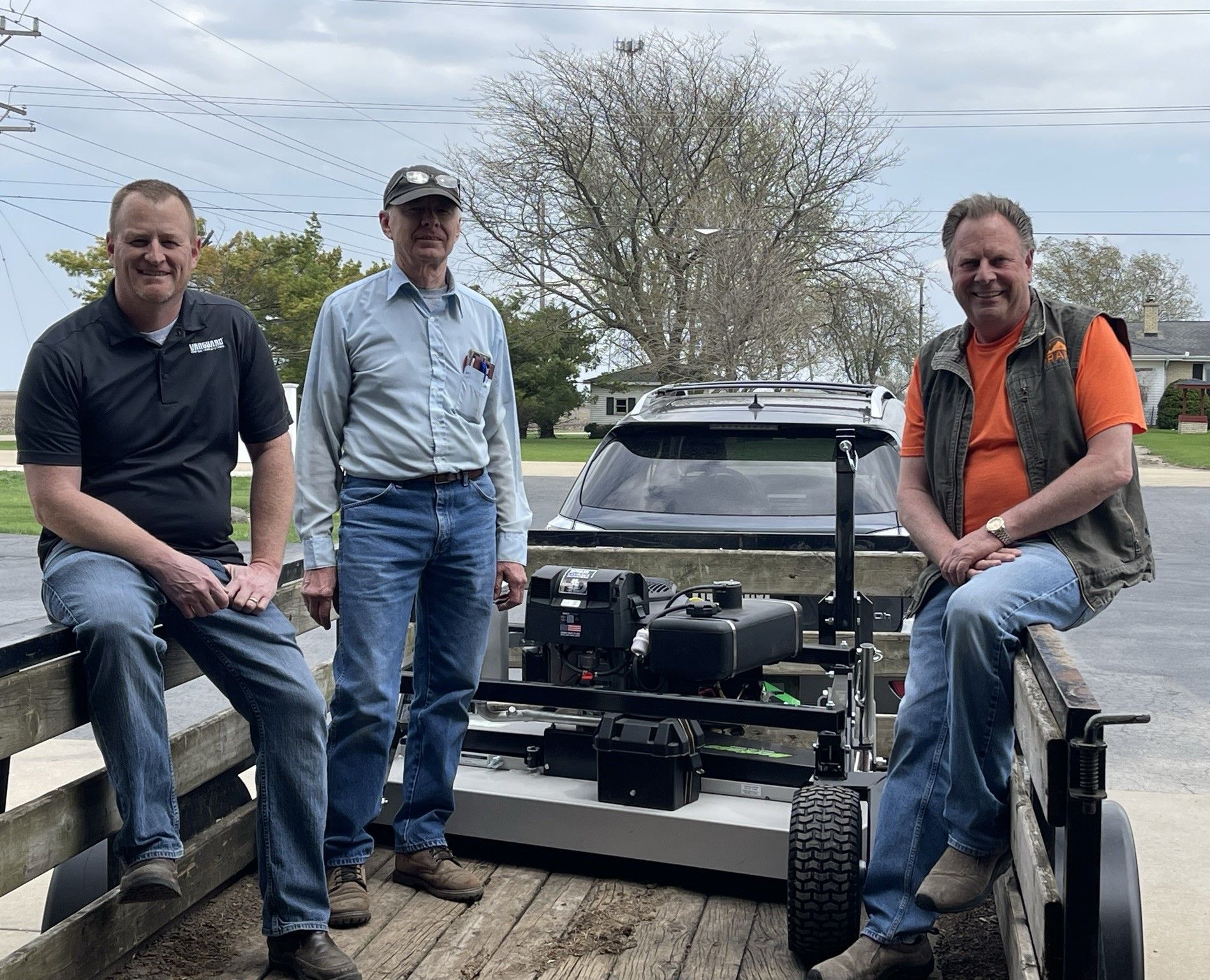
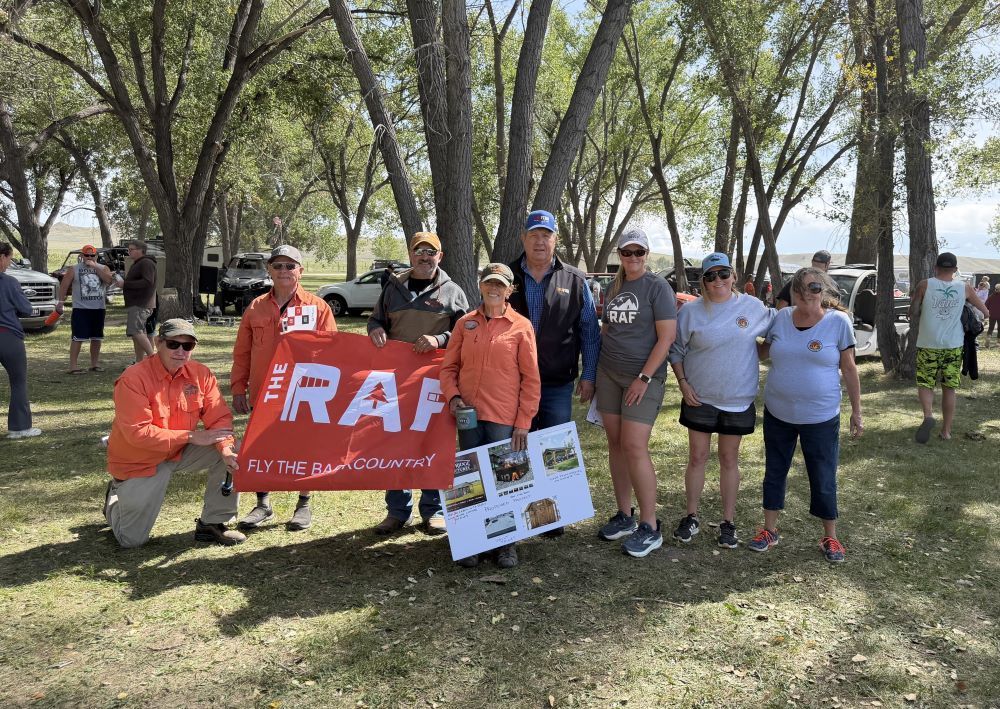
That’s when resourceful RAF volunteers rose to the challenge. RAF Director Jeff Russell of Wisconsin, RAF volunteer Jerry Ness, and RAF Michigan Liaison General Grant started making plans. Russell and RAF supporter Rick Rettler drove the 12 hour round trip from Wisconsin to Luverne and back. “We tested the mower locally, then General hauled it to Escanaba, Michigan. Jerry hauled it to Leland, where Geoff Niesink, a contractor with a landing craft boat, waited for relatively flat water. He was able to ship it to the island on May 12,” Russell explained. “And it was a relay all the way.” Accompanying Geoff on the boat ride were Jerry and longtime RAF volunteer George Stevens.

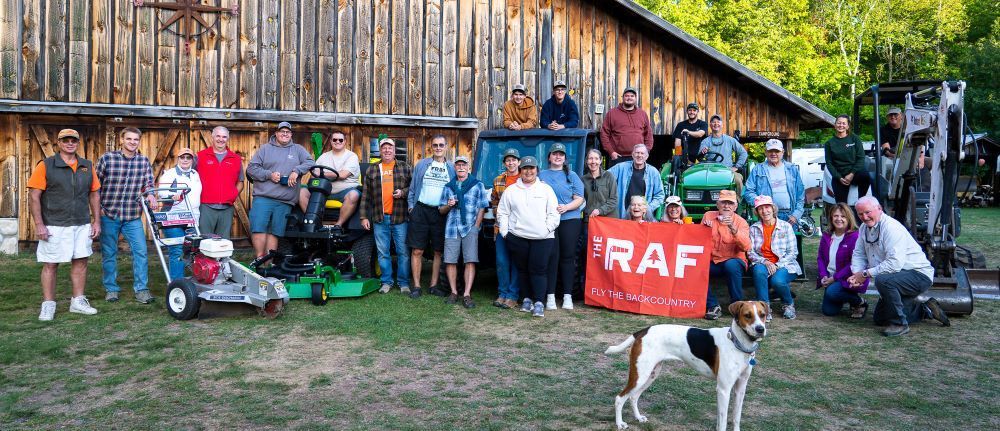
Grant and other volunteers had previously flown into North Fox Island, 6Y3 to prepare an addition to the tool storage shed to accommodate the equipment. While they were there, they cut up trees that had fallen on the trails to the beach from the ends of the airfield. 

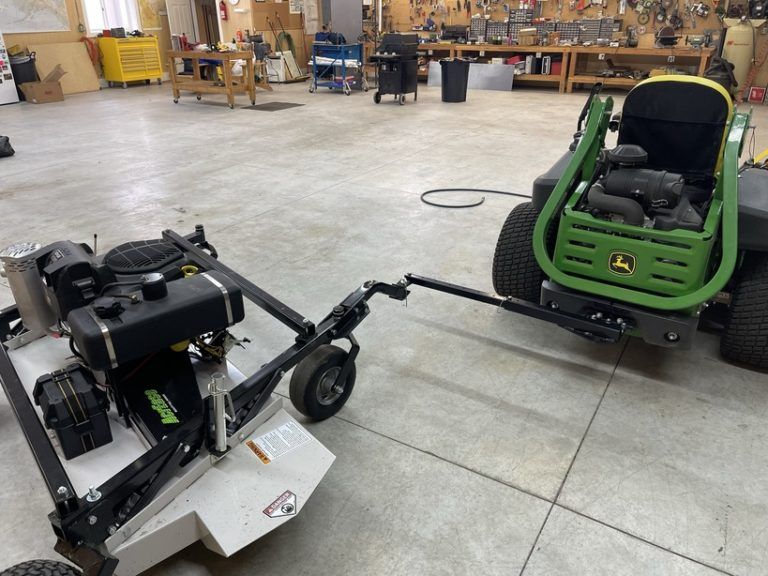
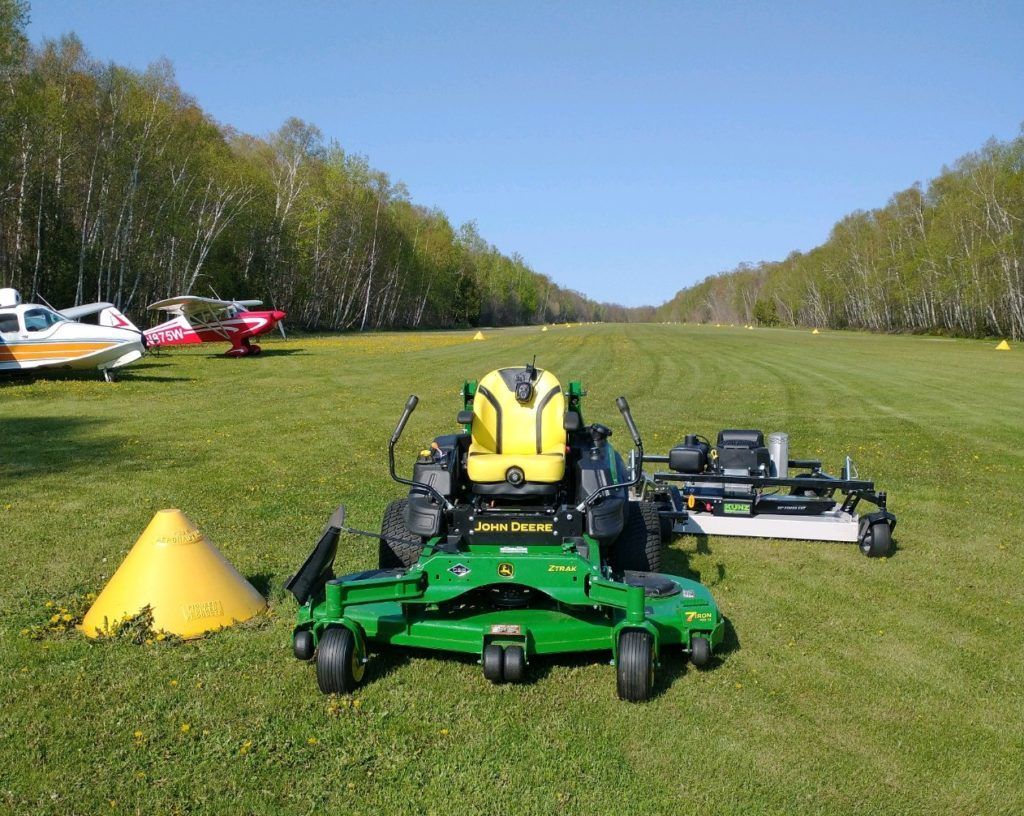
A second pull-behind mower was also purchased and delivered to the Island. The two mowers can be combined for a ten-foot-wide cutting swath, saving many hours of mowing on the 3,000 x 100-ft airfield and camping areas.


“I like the saying, ‘Many hands make light work,’ and it couldn’t be more appropriate in describing this mission,” Russell said. “From the generosity of Peter [Burwell] to all the folks that helped with the relay delivery, it was an RAF team effort that got it done,” he added.

For information on North Fox Island, see the Airfield Guide.

Posted in News

Recent Posts
March 30, 2026
As you're planning your 2026 flying adventures, remember to review safety briefings for the airstrips you plan to visit. The RAF strongly recommends you review safety briefings and print a copy to have in your airplane - it's even required to fly into some airfields, like Ryan Field (2MT1). For those airfields, pilots flying in are required to review the briefing on an annual basis, and now is the perfect time to catch up on any changes to the runway/area that happened throughout the winter. You can find safety briefings on the RAF Airfield Guide . If an airfield in the Airfield Guide has a required briefing, the airfield listing will clearly indicate it and have a tab to view the briefing. Submitted March 30, 2026 Photo By Jim Stevenson
March 30, 2026
RAF Texas volunteers and Ranger Airfield Foundation volunteers helped begin restoration of the historic 1928 Ranger Airfield hangar on March 28. “A Wright biplane landed here at the field in 1911, and people have been using it ever since,” Ranger Airfield Foundation Founder Jared Calvert said. He noted that Amelia Earhart landed there in a Pitcairn Auto Gyro. Richard Bach, Pancho Barnes, and General Patton also landed at the field. It’s the oldest continuously used turf field in Texas. 
By Carmine Mowbray March 30, 2026
For adventurers seeking access to the Gila Wilderness, we suggest landing at Sacaton Airstrip, NM16, near Buckhorn, New Mexico. The runway lies on a “finger mesa,” and the Rain Creek trailhead lies just northeast of the field. Thanks to RAF New Mexico Liaison Ron Keller's coordination with the USFS using a Cost Share Agreement, Keller was able to organize RAF and New Mexico Pilot Association (NMPA) volunteers to rehabilitate and reopen the long-abandoned airstrip in 2022. Beyond reopening the airstrip, Keller added camping amenities, including picnic tables and a new vault toilet. Most recently, Keller oversaw the installation of new shade structures, most welcoming to campers and hikers. RAF and NMPA volunteers complete ongoing maintenance at Sacaton and other airfields in the Gila National Forest. You’ll see white-painted rocks along Sacaton’s 3,989-ft dirt runway, and surrounding the segmented circle near the RAF windsock. The airstrip lies at 6,200-ft elevation, so pilots should be mindful of density altitude while flying over high terrain in the vicinity, even in winter temperatures.  “Anglers will enjoy plying streams for the rare native copper-colored Gila trout, once a threatened species,” Keller reports. The mile-and-a-half trail to the crossing at Rain Creek is narrow and challenging and traverses a variety of terrain, but the serious hiker will be rewarded trekking through steep canyon walls lined with green alder, willow, and boxelder, hoodoos, and eagle aeries above. There are rumors of a double waterfall some distance on the west fork of Rain Creek trail. See the Sacaton page in the Airfield Guide for more details. Note that the airstrip may be unusable due to snow or after heavy rains. This runway should be considered one-way in/one-way out to avoid overflying the Wilderness boundary. There is a 4.6% upslope to the East, favoring landing Runway 08 with right traffic, remaining clear of the Wilderness east and north of the airfield. Please consider others seeking a Wilderness experience. Prior to landing at Sacaton, permission is required by calling the USFS Gila Dispatch center at 800-538-1644. Please familiarize yourself with Sacaton in the Airfield Guide and the New Mexico Pilots Association Safety Briefing . Submitted March 30, 2025 By Carmine Mowbray
By lellington March 29, 2026