RYAN WORK PARTY A SUCCESS

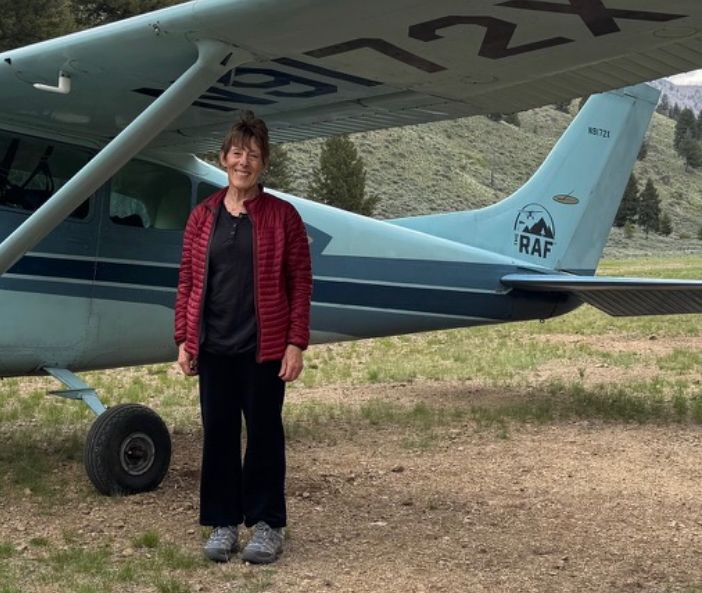
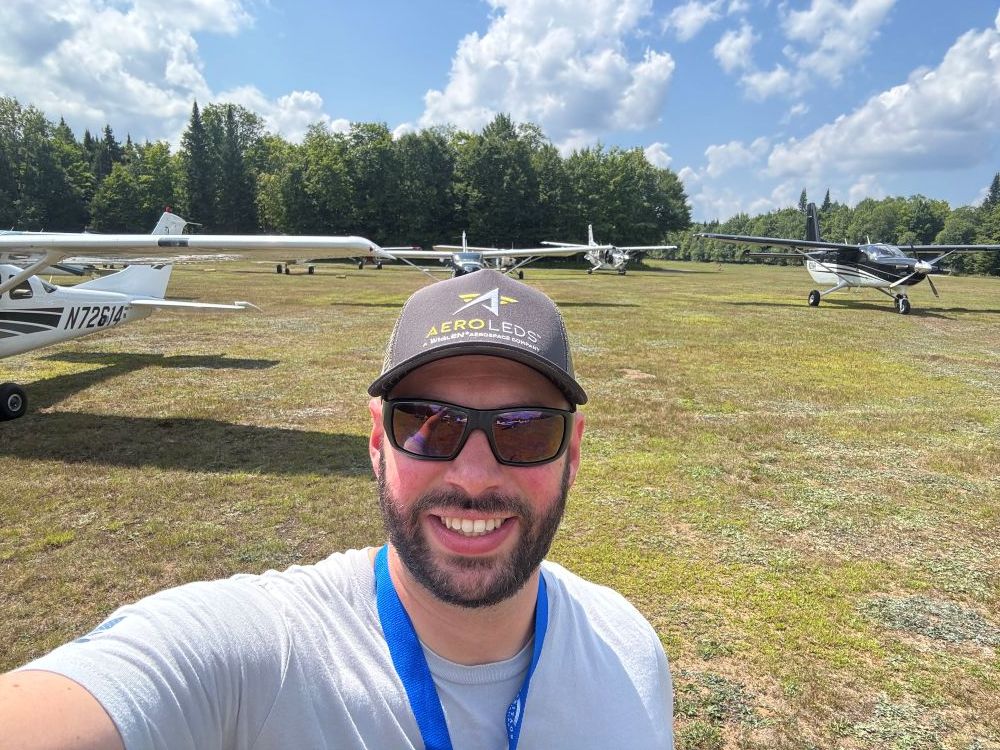
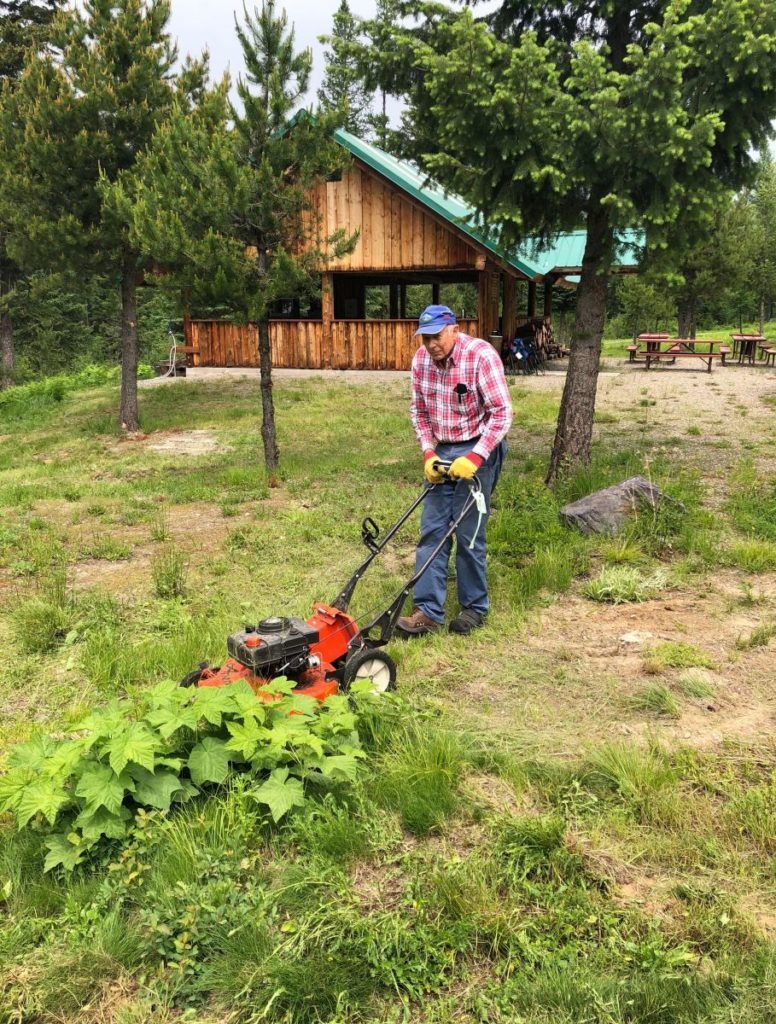
Nine dedicated RAF volunteers drove in for a weekend of work to keep Ryan Field a place we can all be proud of, including Chris Ogden and Margo Sety from Chewelah, WA. Chuck Jarecki assigned tasks, and the crew completed on Saturday what had been planned to take two days. 

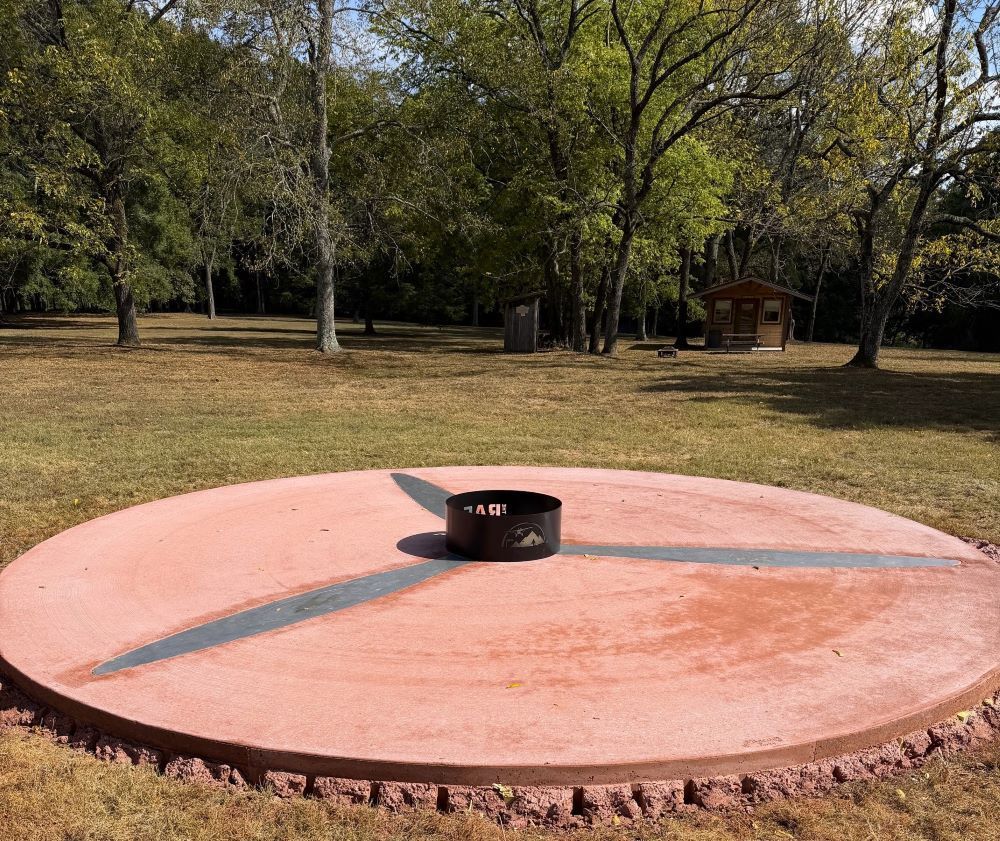
Montana Liaison Ron Normandeau, assisted by Margo, removed the wings from the red Tri-Fokker that Ben Ryan had constructed. The aircraft has been donated to the Museum of Mountain Flying in Missoula, and Chuck is seeing to it that the artifact arrives there safely.


Larry Ashcraft, ably assisted by Brett Church, cut down and skidded numerous dead lodgepole pines threatening the powerline. They then cut a pickup load of it into firewood lengths and replenished the pilot shelter supply.


Chris, assisted by Chuck and Carmine Mowbray, cleaned up and hauled three pickup loads of winter debris to a slash pile.


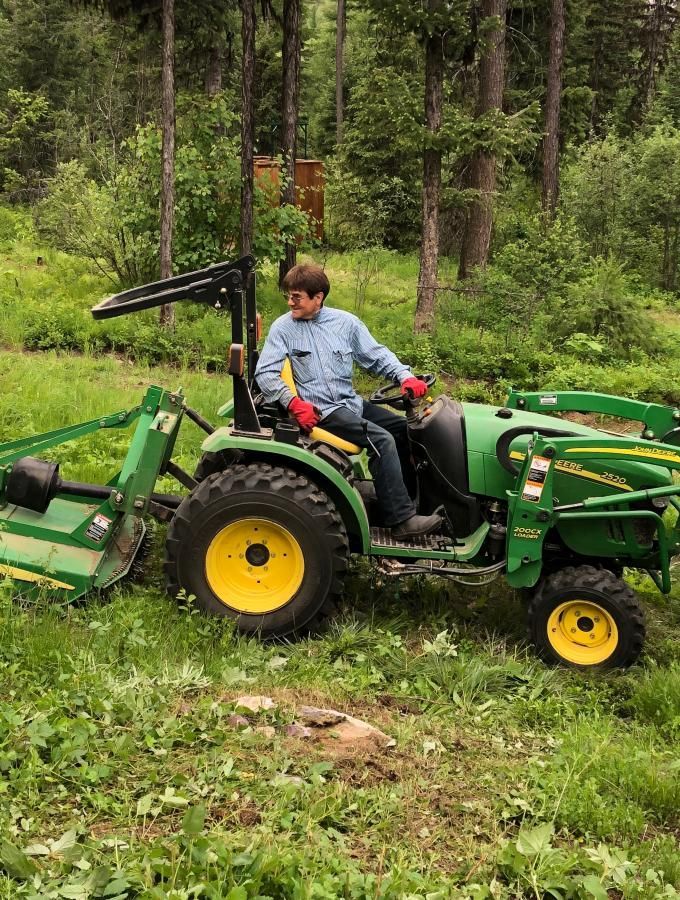
Mike Hines brought his brush hog and tractor and spent the entire day mowing the rough areas near the pilot shelter, the Ryan Loop Trail and the vehicle camping area.
Carmine and Trish McKenna cleaned the pilot shelter and outhouse, then removed all the decorative but deteriorating fence rails.


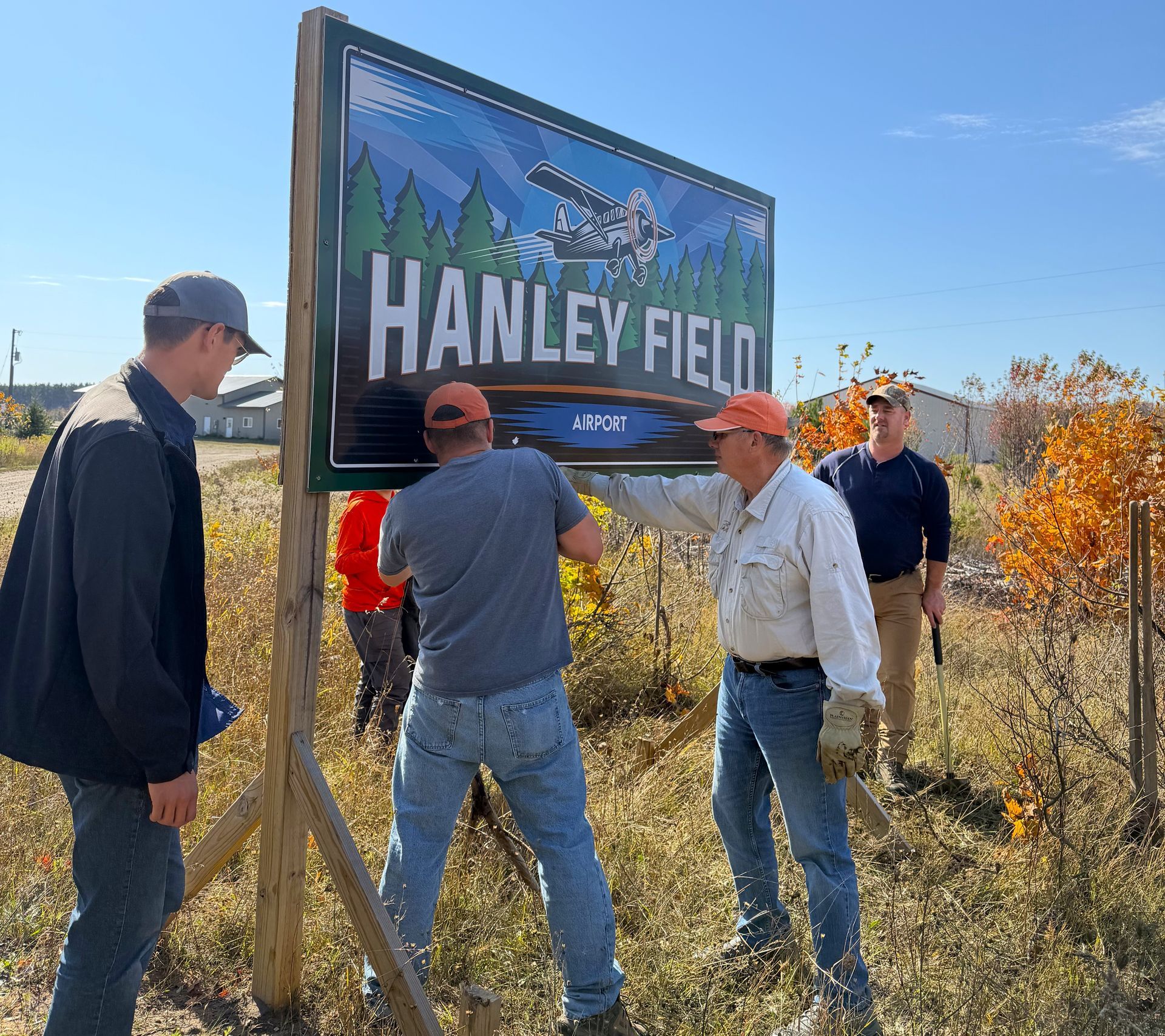
Chuck and Chris put up a new “Ryan Field” signpost at the highway turnoff. Next time you see it, you can’t miss the model Cessna and American flag!


Tricia and Chris un-crated and assembled a donated mower, and Tricia mowed until called away for dinner.


Carmine grilled sandwiches for lunches and and everyone gathered in the shelter for a Sloppy Joe dinner, protected from the pouring rain. 


“Our timing was good,” Chuck said. “The hard rain held off until the start of the 5 pm happy hour.”

Submitted on June 12, 2018


Posted in News

Recent Posts

March 30, 2026
As you're planning your 2026 flying adventures, remember to review safety briefings for the airstrips you plan to visit. The RAF strongly recommends you review safety briefings and print a copy to have in your airplane - it's even required to fly into some airfields, like Ryan Field (2MT1). For those airfields, pilots flying in are required to review the briefing on an annual basis, and now is the perfect time to catch up on any changes to the runway/area that happened throughout the winter. You can find safety briefings on the RAF Airfield Guide . If an airfield in the Airfield Guide has a required briefing, the airfield listing will clearly indicate it and have a tab to view the briefing. Submitted March 30, 2026 Photo By Jim Stevenson
March 30, 2026
RAF Texas volunteers and Ranger Airfield Foundation volunteers helped begin restoration of the historic 1928 Ranger Airfield hangar on March 28. “A Wright biplane landed here at the field in 1911, and people have been using it ever since,” Ranger Airfield Foundation Founder Jared Calvert said. He noted that Amelia Earhart landed there in a Pitcairn Auto Gyro. Richard Bach, Pancho Barnes, and General Patton also landed at the field. It’s the oldest continuously used turf field in Texas. 
By Carmine Mowbray March 30, 2026
For adventurers seeking access to the Gila Wilderness, we suggest landing at Sacaton Airstrip, NM16, near Buckhorn, New Mexico. The runway lies on a “finger mesa,” and the Rain Creek trailhead lies just northeast of the field. Thanks to RAF New Mexico Liaison Ron Keller's coordination with the USFS using a Cost Share Agreement, Keller was able to organize RAF and New Mexico Pilot Association (NMPA) volunteers to rehabilitate and reopen the long-abandoned airstrip in 2022. Beyond reopening the airstrip, Keller added camping amenities, including picnic tables and a new vault toilet. Most recently, Keller oversaw the installation of new shade structures, most welcoming to campers and hikers. RAF and NMPA volunteers complete ongoing maintenance at Sacaton and other airfields in the Gila National Forest. You’ll see white-painted rocks along Sacaton’s 3,989-ft dirt runway, and surrounding the segmented circle near the RAF windsock. The airstrip lies at 6,200-ft elevation, so pilots should be mindful of density altitude while flying over high terrain in the vicinity, even in winter temperatures.  “Anglers will enjoy plying streams for the rare native copper-colored Gila trout, once a threatened species,” Keller reports. The mile-and-a-half trail to the crossing at Rain Creek is narrow and challenging and traverses a variety of terrain, but the serious hiker will be rewarded trekking through steep canyon walls lined with green alder, willow, and boxelder, hoodoos, and eagle aeries above. There are rumors of a double waterfall some distance on the west fork of Rain Creek trail. See the Sacaton page in the Airfield Guide for more details. Note that the airstrip may be unusable due to snow or after heavy rains. This runway should be considered one-way in/one-way out to avoid overflying the Wilderness boundary. There is a 4.6% upslope to the East, favoring landing Runway 08 with right traffic, remaining clear of the Wilderness east and north of the airfield. Please consider others seeking a Wilderness experience. Prior to landing at Sacaton, permission is required by calling the USFS Gila Dispatch center at 800-538-1644. Please familiarize yourself with Sacaton in the Airfield Guide and the New Mexico Pilots Association Safety Briefing . Submitted March 30, 2025 By Carmine Mowbray
By lellington March 29, 2026