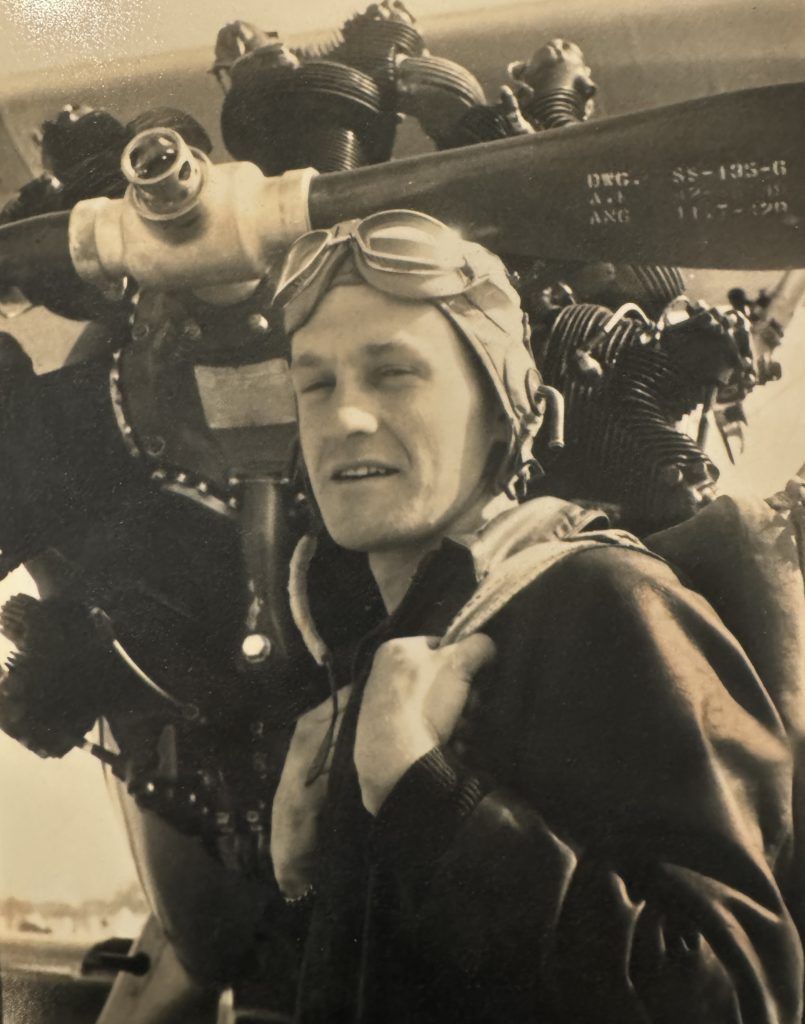
I am very fortunate to come from a family, generations, of aviators. This is a photo of my grandad, Oliver Walton Simmons, taken in front of his Stearman trainer when he was only 22 years old. While later in life he was far too humble to have considered himself part of “the Greatest Generation”, that is exactly what he was for aviation and more. He flew the B-26 closer to the end of WWII and later privately for business in Georgia. He passed his love of aviation on to all three of his sons: Bill – a naval aviator, Bob – an aerospace engineer; and John (my dad) – a flight medic in the Army. They all did the same for their families and the legacy continues today to its fourth generation with my son Clay.
WORTH THE READ: TODD SIMMONS GUEST EDITORIAL
Our many RAF supporters have such vast and varied experience, and we’re capturing some of their words of wisdom to share with you. This month’s guest editorial is by Todd Simmons, the President of Customer Experience at Cirrus Aircraft, and the Vice President of the RAF.
Give me a sign …
In a world of non-stop stimuli, streaming anything and near limitless ‘information’, it can pay to take a step back from it all to find real direction and guidance in our lives. Those influences often can come from people we are close to, especially when a) we look carefully; and b) their life experiences have shaped them in significant ways.
Let me briefly share with you how three particular folks have been an important part of my life and how the way they lived their lives and their accomplishments have shaped and inspired my thinking about The RAF and our purpose.
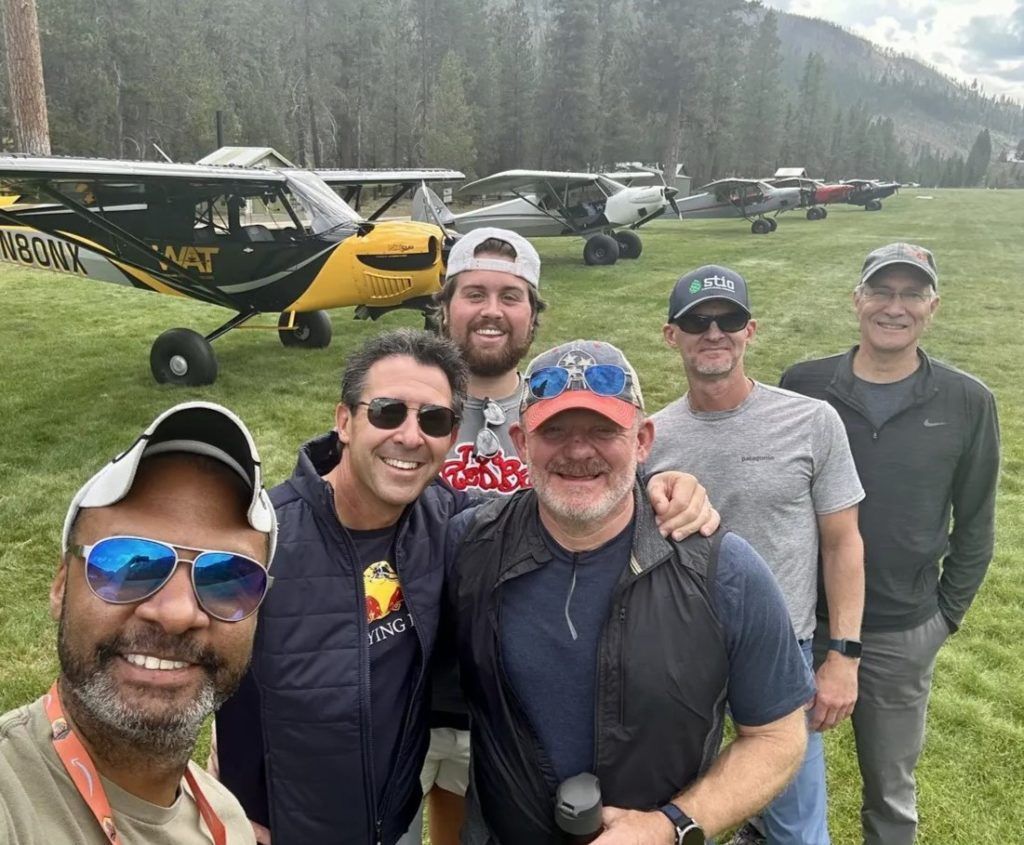
Next is my close friend Jeff Smith…on the far right in this photo as we flew the backcountry together at the end of Summer just a few weeks ago. Jeff is instrument-rated, tailwheel, two-time airplane builder (RV and Carbon Cub), EAA chapter vice president; and in addition to all that he’s the most recent director of world’s premier research institution, the Oak Ridge National Laboratory in East TN.
There he led more than 6,000 of the world’s foremost scientists, engineers, researchers, and staff; oversaw the Enterprise Frontier, the world’s first and fastest exascale supercomputer; and two of the world’s most powerful sources of neutrons for research: the High Flux Isotope Reactor and the Spallation Neutron Source…you get the point. Jeff has used these resources and the platform of ORNL to help address some of the most complex national and global challenges that society faces. With breakthroughs in science, medicine, materials, technology – aviation – and more, through his leadership he has empowered and inspired others to pursue and achieve very (very!) big ideas and outcomes.
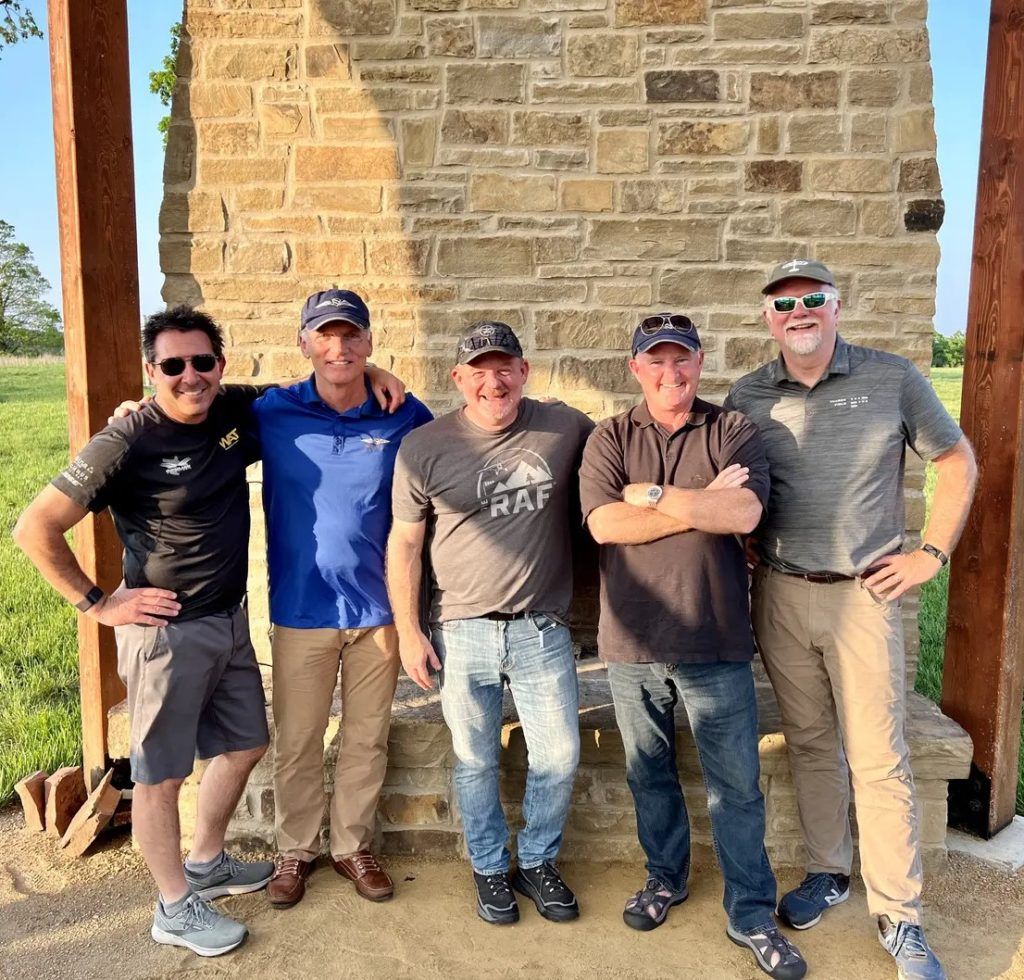
Third, we all lost a proficient and passionate aviator, tireless flight safety advocate and true RAF supporter with the very untimely and recent loss of Richard McSpadden. Here we are together with friends at Trigger Gap a few years back. A former Commanding Officer of the Thunderbirds and most recently the recognized voice for general aviation flight safety, I was fortunate to know Richard personally, fly the backcountry with him, and call him a mentor.
Through his thoughtful guidance and counsel, five years ago he helped me find the courage, humility, and voice to tell my own accident story….which was then and still is the best therapy I have ever received. I am eternally grateful to Richard for that.
But it’s his own words that paint the picture of someone who so well understood his opportunity to make an impact in aviation. ‘Flying has brought so much to my life and in many ways has been my life. The feeling of gratitude to the many people who’ve boosted me here comes back frequently… in ways that it seems unfair that I was exposed to aviation and given opportunities few have…and I feel a growing urge to give back, cast a wider net and expose more people to this splendid experience that can change the trajectory of a life.’ I know I speak for all of us when I say that the gift of Richard’s contributions to aviation has been ours, that it is actually all of us that have unfairly but so gratefully had him in our lives and that together we shared the sky and a passion for flight.
So what do Oliver, Jeff, and Richard all have in common in the way that they each live or have lived their lives, their commitment to others, and the lasting legacy and impact of their efforts? Summed up simply, each has ‘left flying and aviation better than they found it’ …profoundly so.
And so it is for each of us and our talents, gifts, effort and engagement with The RAF, our commitment to the mission, and our motivation to sustain the culture – culture that I believe can be summed by that same simple phrase that the lives of these three folks represent. I am confident you each know similar folks that challenge, inspire, and motivate – think about them often and the example of their lives when you appreciate the opportunity, privilege, and obligation we have to ‘leave things better than we found them’ through The RAF.
Fly safely,
-Todd
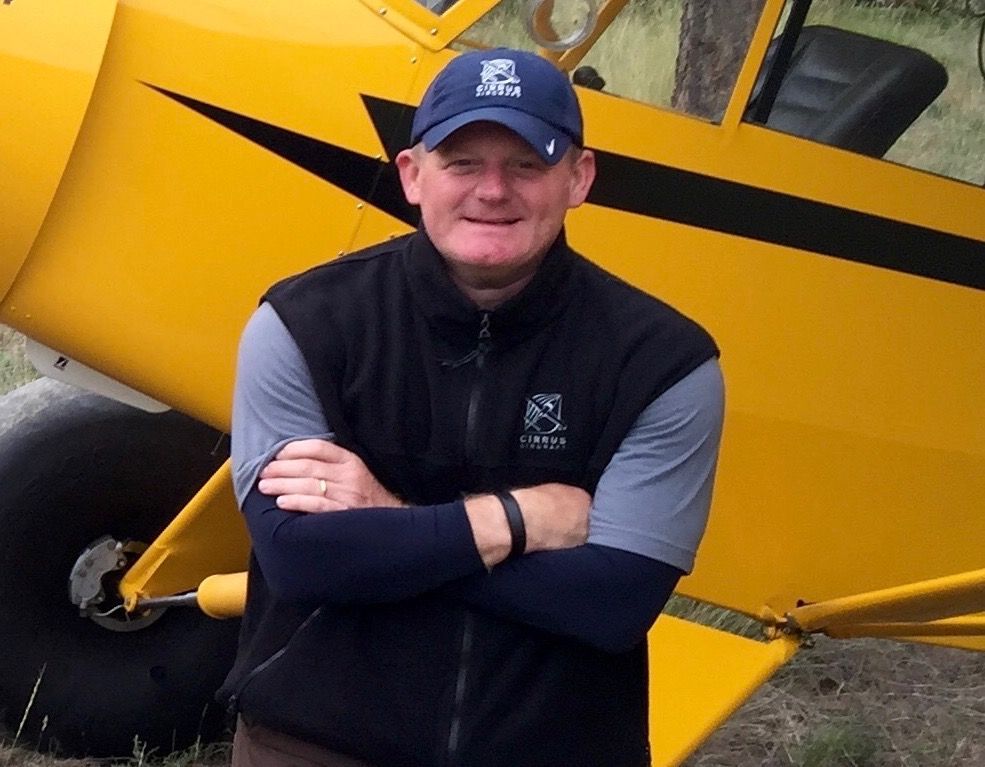
Todd is the President of Customer Experience at Cirrus Aircraft, where he has worked for 15 years. His passion is recreational flying, primarily in his SuperCub, with his wife Melissa, son Clay, and daughters Anna and Cameron. He furthers his passion by serving as the Vice President of the RAF.
Submitted on October 26, 2023
Posted in Guest Editorial, News
Recent Posts
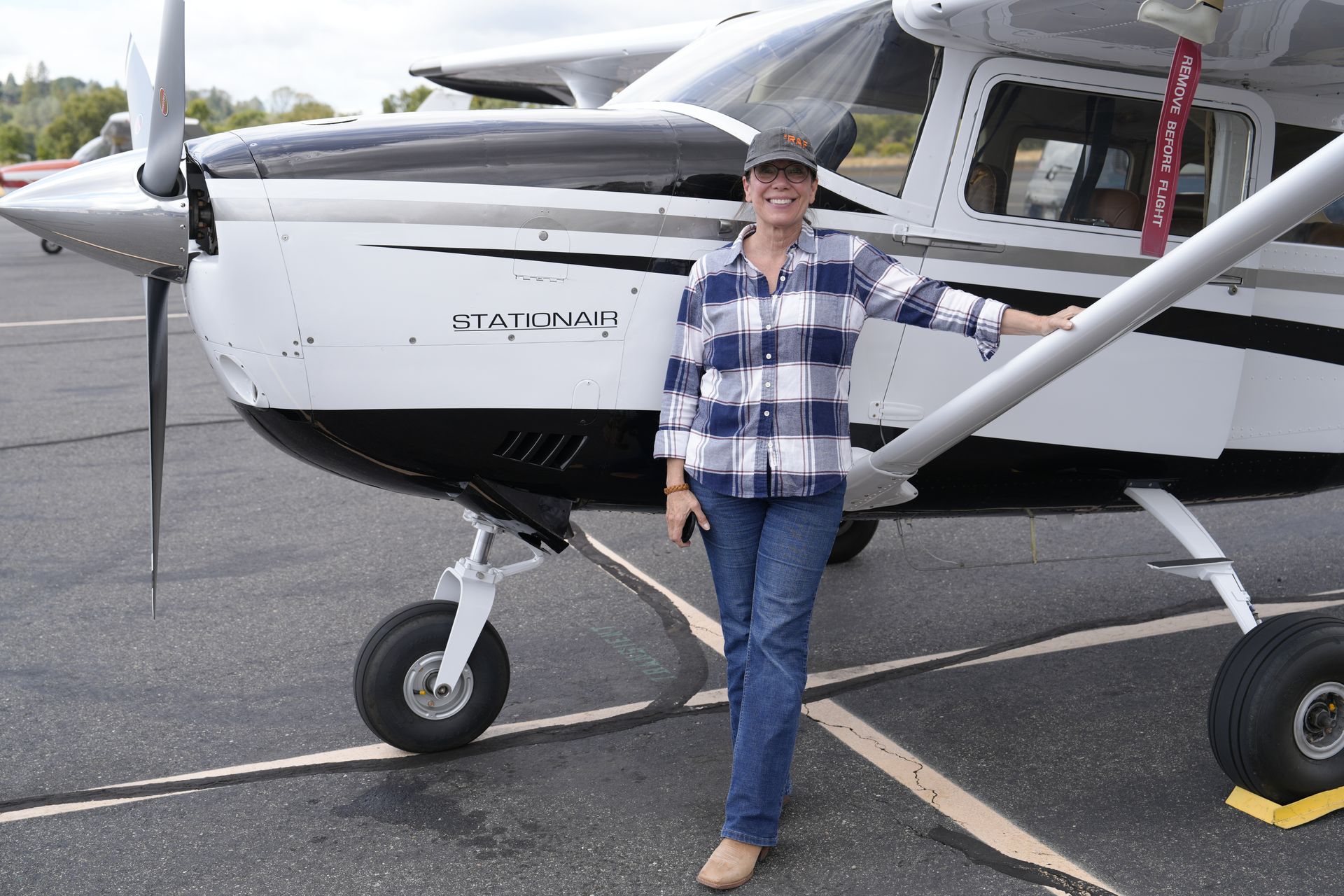
Our many RAF supporters have such vast and varied experience, and we’re capturing some of their words of wisdom to share with you. This guest editorial is by Cindy Cross, RAF VP of Appreciation.
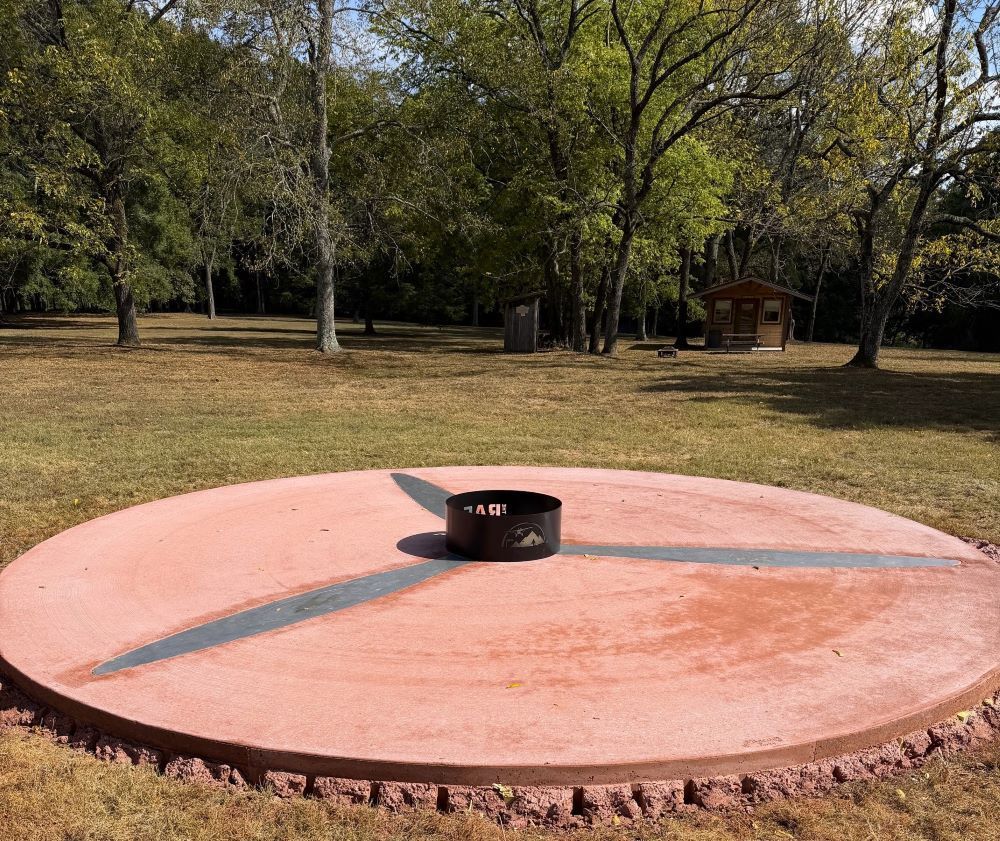
The Beechcraft Heritage Museum at Tullahoma Regional Airport is the site of a new RAF Fire Hub, provided by an RAF grant submitted by Tennessee Ambassador Steve Lewis. The Parish family, who own the Beechcraft Museum, along with other RAF volunteers, contributed to the preparation and installation of the fire hub. They completed the project in time for folks to enjoy it during the annual Beech Party event over the October 10-11 weekend. The 20-foot diameter permanent concrete base was provided by a private donor. The fire ring and three 10-foot-long propeller blades were designed and fabricated by RAF Volunteer Pete Smith of Lewistown, Montana, with design assistance from Pete's son Matt Smith of Bozeman, Montana. The structure lies east of the 2,775-ft turf Parish Aerodrome runway adjacent to the Beechcraft Heritage Museum. “This permanent installation will showcase the RAF mission as the Museum draws visitors from around the country,” Lewis said. For more information on the airport, see the Airfield Guide . Submitted October 21, 2026
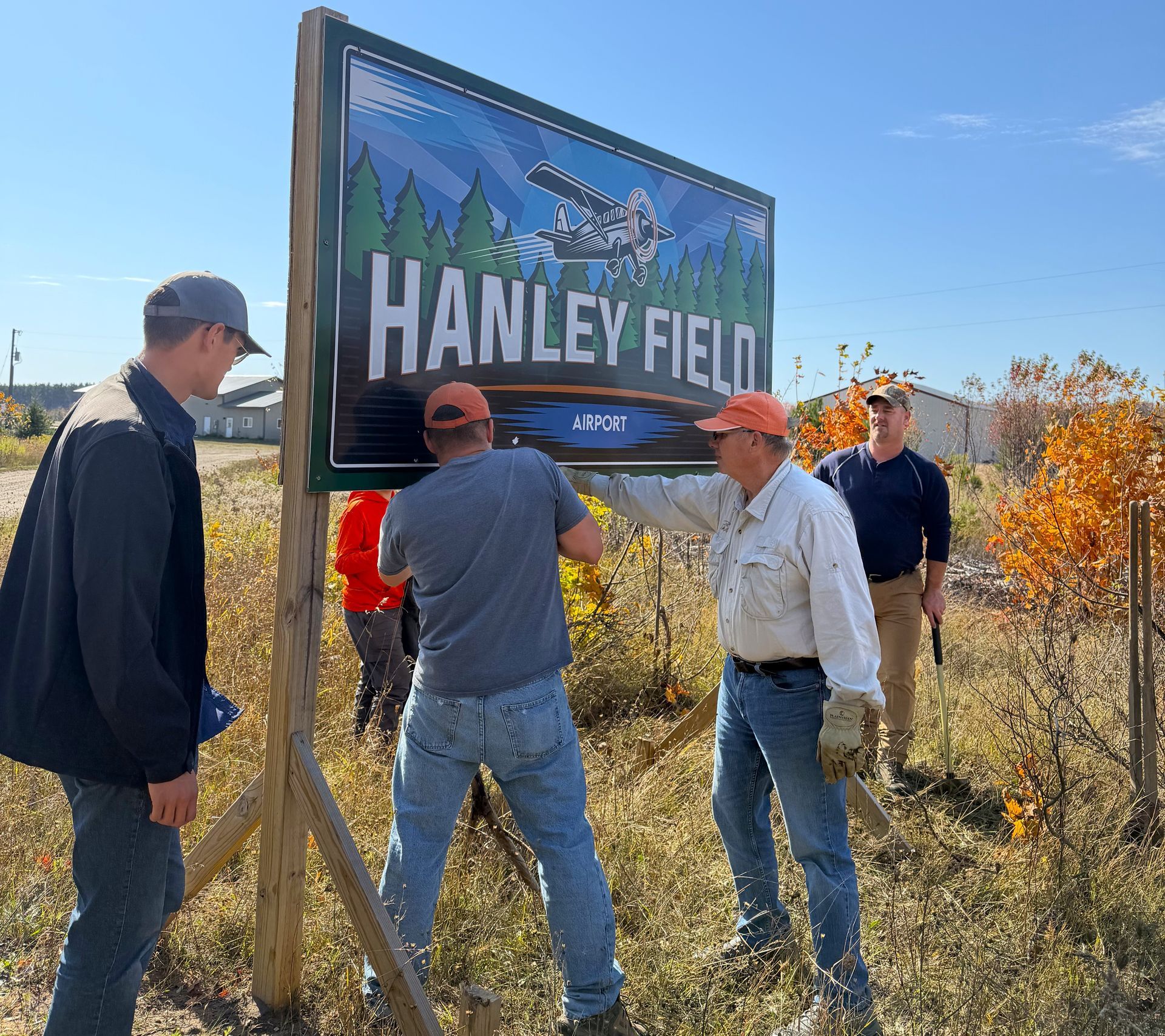
Michigan RAF volunteers had a very successful work party at Hanley Field (5Y7) in Michigan’s Upper Peninsula the October 10-11 weekend. Led by Michigan Ambassador Ryan Minnick, the crew, including Michigan Liaison Tanmoy Ganguly, cut and stacked firewood, repaired the sink and water heater, and relocated the airport sign along the road for better visibility. “We had a great weekend and got a good amount of work done. It was great connecting with supporters from the area,” Minnick said. “The assistant airport manager was there and was very happy with the results that came out of the work party.” Fourteen remained to camp Saturday night. Find more about Hanley Field in the Airfield Guide . Submitted October 21, 2026