Volunteer RAF state liaisons identify projects, then apply for RAF funds. A grants committee – made up of State Liaisons, RAF members and an RAF Director – then reviews the application. Typically, the liaison must also organize volunteers to help with the labor required. Often, they call in others who are willing to donate or provide equipment and building supplies at no cost, or at reduced prices.
2019 RAF GRANT PROJECTS ADD RECREATIONAL ACCESS
The RAF is primarily volunteer-driven, meaning your donations go directly toward on-the-ground projects that further the RAF mission to preserve, maintain, and create airstrips for recreational access.
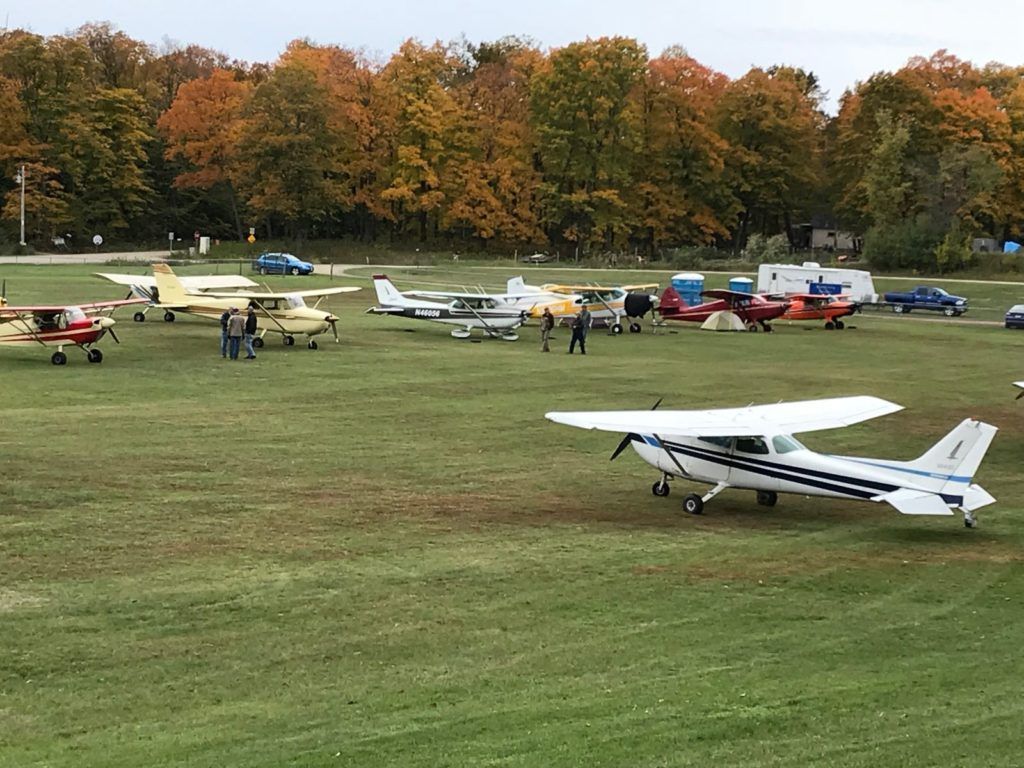
Here is a summary of recent grants awarded:
Wisconsin : RAF Liaison
Jeff Russell will oversee improvements at Cornucopia Airport (
WI23 ). The project includes construction of a pilot shelter, adding picnic tables, tie downs and bicycles. Jeff worked with the airport manager and local businesses to foster support for investing time and money to make the airport more inviting. “This airstrip has high recreational value due to its proximity to Lake Superior and the Apostle Island National Lakeshore,” Jeff said.
Minnesota : RAF Liaison
Kurt Pennuto was awarded a grant to improve Bowstring Airport (
9Y0 ). He will complete two campsites, picnic tables, fire rings and an outhouse. From each campsite, campers will be able to access the Chippewa National Forest, area lakes, trails and hunting opportunities. The airport commission has committed to maintaining the campsites and outhouse.
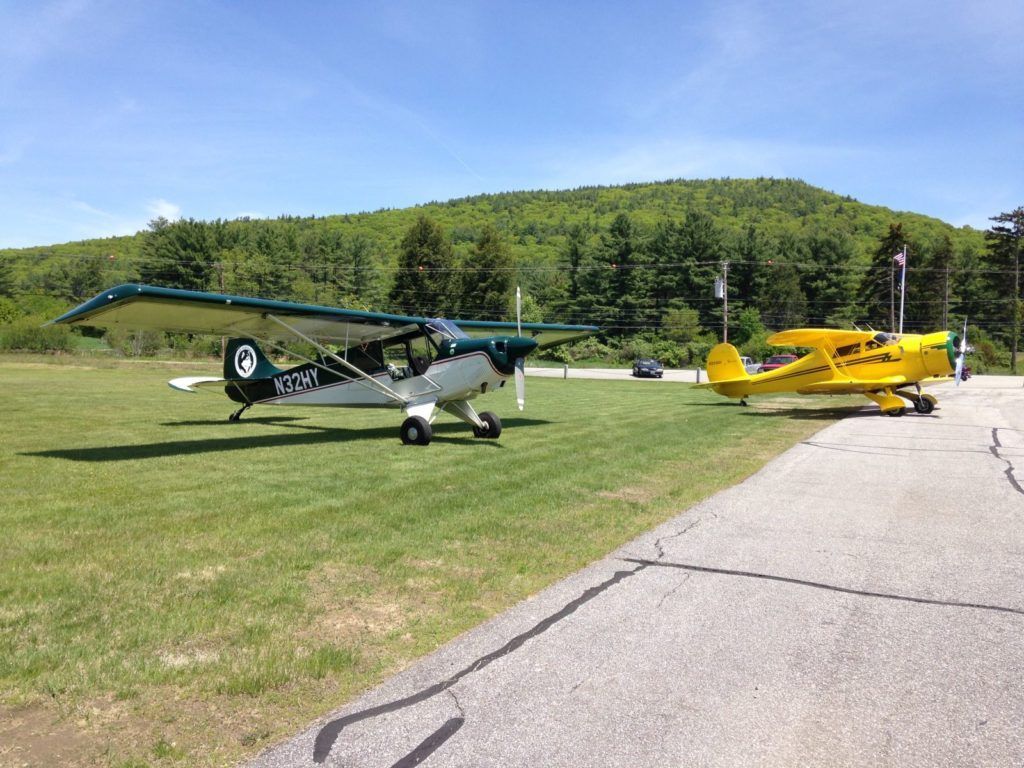
New Hampshire: Liaison John Meade has taken Parlin Airfield (2B3) under his wing for preservation and improvements, adding picnic tables, and solar chargers. Its amenities include camping and access to local Sugar Hill Recreation Trails with use of mountain bicycles at no cost. John emphasizes that local personnel do much of the work “which increases broad community commitment and teamwork, while insuring lower operating costs for the town. Parlin has become a regional fly-in destination,” he added.
Colorado : Liaison
Tom Haefeli says the cornerstone of his pilot shelter project at Ken Rominger airport (
KRCV ) will be the new shower and kitchen area. “This will allow airplane campers, mountain bikers, and pilots a place to refuel, refresh and continue great airplane adventures,” he said. The airport is three miles north of Del Norte, central to many Southern Colorado and Northern New Mexico airstrips. “This shelter will also be a great resource for cross country travelers as well,” he added. Rio Grande County is a key partner for the project.
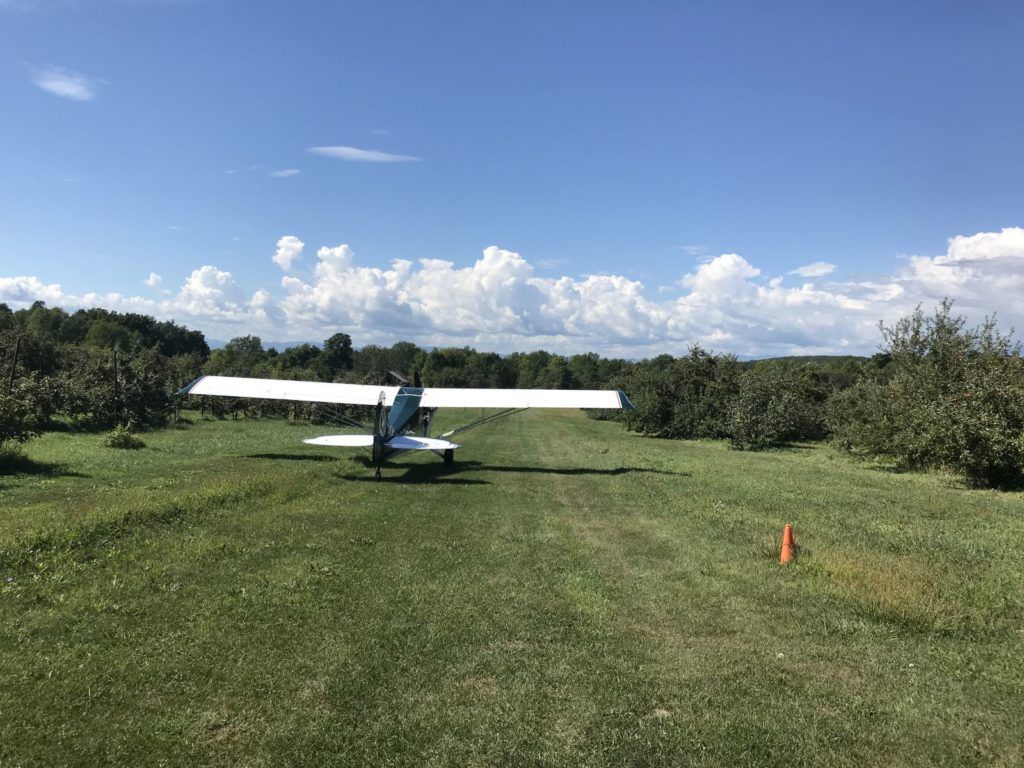
Vermont : Bob Burley is fond of Allenholm Airport ( VT26), and wants to preserve it from possible closure and improve it with funding for mowing and added improvements. Maybe the regionally famous Allenholm Farms pies, pastries, cookies available at the airfield is one reason! This historic 2,400-ft field is located in an apple orchard on an island in Lake Champlain. Within one mile of the airfield is a state park with beaches and watercraft rentals, several B&Bs, and a quaint Vermont village. All within a half- or hour-long flight are scenic mountains and islands, a four- star, 150-year-old lakeside resort, golf course and grass strip. “Allenholm is ideal for both hub and spoke day trips and peaceful respite,” Bob said. Vermont Air National Guard pilots are committed to helping out at Parlin.
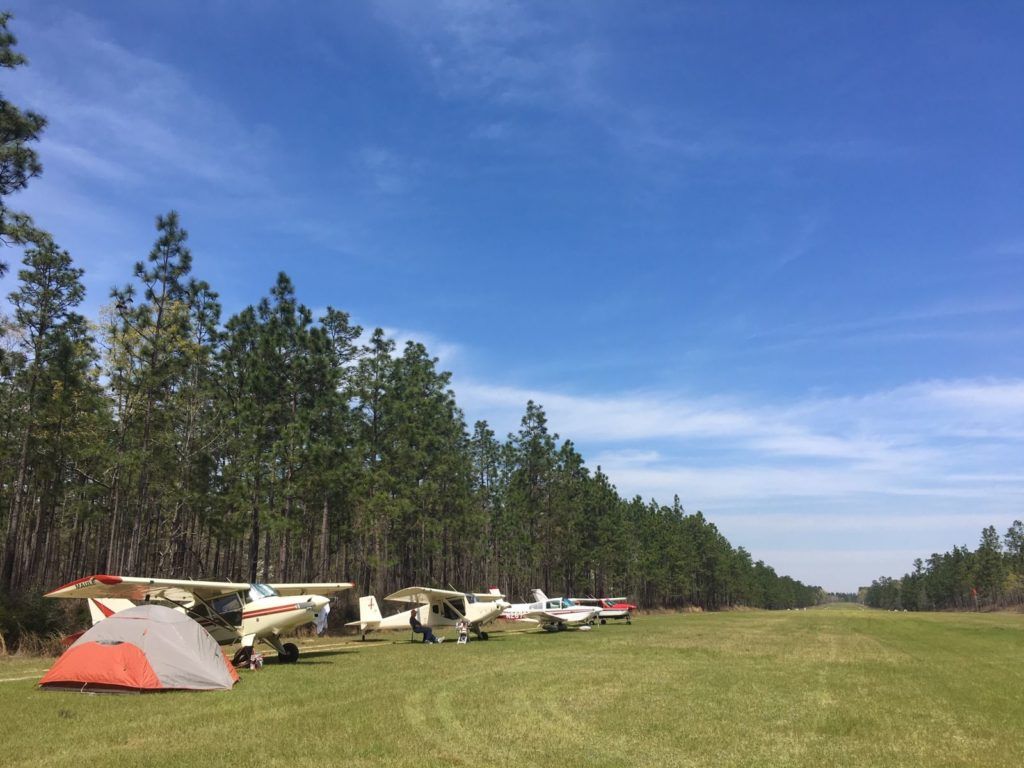
Florida: What started out in 2013 as efforts to reopen abandoned Blackwater Airfield ( 8FD3), has developed into ongoing cooperation to improve this popular recreational destination. RAF Florida Liaison Bobby Capozzi continues to work with Florida Sport Aviation Antique and Classic Association (FSAACA) by adding barbecue grills, and refinishing picnic tables. “These efforts show continued engagement and commitment to foster a positive relationship with the State Forestry Service in preserving and maintaining this recreational airfield,” Bobby said. “Not only was the project approved by State Forestry Manager David Creamer, he was willing to assist with installing the grills,” Bobby added.
Bobby also erected a sign acknowledging participants. “The sign is an investment in advertising for all who worked so hard to get Blackwater open to GA,” Bobby said.
Oregon : RAF Oregon Liaison Richard Mayes has a less tangible need. He was invited to join the Hells Canyon Recreation Collaborative (HCRC) whose mission is to maintain and improve recreation access into the Hells Canyon National Recreation Area by making recommendations to the US Forest Service. “RAF representation on the HCRC will help protect and maintain public access to the Hells Canyon airstrips, and foster positive collaboration with other river users,” Richard said.
The area encompasses 652,488 acres of rugged backcountry between northeastern Oregon and western Idaho. There are no roads across Hells Canyon’s 10-mile wide expanse. Six backcountry airstrips deep in the canyon along the Snake River are open for public use. Administration of HCRC is funded by contributions from key participant organizations. Richard works entirely at his own expense, but the largest HCRC administrative cost is the salary of the part-time facilitator. Idaho Aviation Association pledged support, and Richard requested a like amount.
Submitted on May 30, 2019
Posted in News
Recent Posts
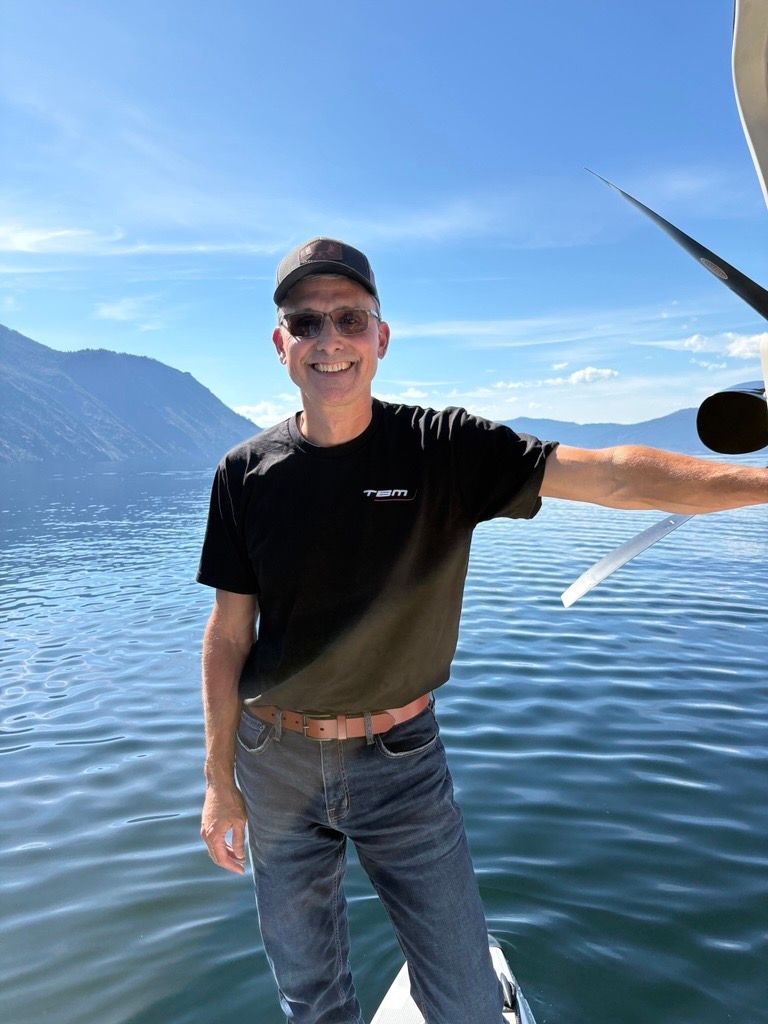
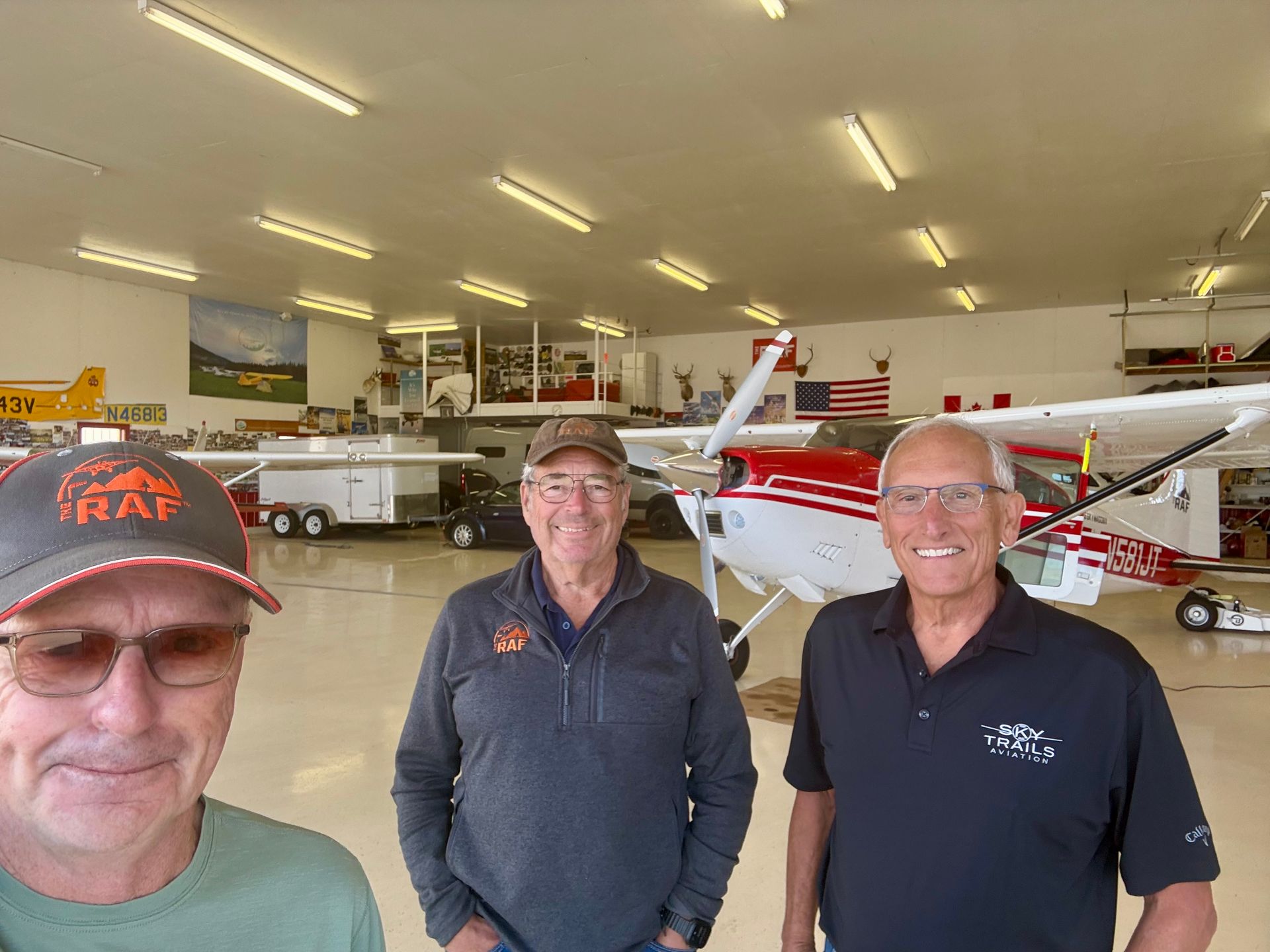
Sometimes one needs to look no further than one's incoming correspondence to find inspiration. Just this past week, folks passionate about the RAF mission reached out to me with suggestions that would bring resources to the RAF. Whether they be one-off items that we might offer, or events like large fundraisers, these folks are offering some thoughts on how we might continue to pay the bills. Additionally, we’re receiving word from folks with new destinations on their mind, and some pretty cool ones at that. Along the way, my inbox – as well as my calendar – is filled with updates on our Expanding the Map effort, with an emphasis on Fly Rocky Top. The Fly Rocky Top initiative in Tennessee is generating strong interest, and for good reason. It feels great. Folks are showing up to pitch in, with significant work projects planned. Trish and I, along with other board members, will be there to lend a hand to this exciting project. We are coming up on our annual year-end letter, which you will be seeing not long from now. In addition to showcasing a few more of our successful projects, we will be seeking your support. Stand by. I’ll wrap this up by letting you know that we could not be more pleased with how you all are doing your part. Thank you. It is so healthy to have an organization that uses passion as a primary energy source. - John McKenna, RAF Chairman Submitted September 14, 2026

“We had a busy day at Garrison Dam Recreational Airpark, as we continue to work on the underwing camping area,” RAF North Dakota Liaison Brian Rau reported. Rau was awarded an RAF grant in spring of 2026 to convert an adjacent day-use park into an airport camping area, and had organized volunteers who began the project in May. The airport, 37N, is closed while the runway and taxiway are being upgraded by a contractor for the ND Aeronautics Commission.
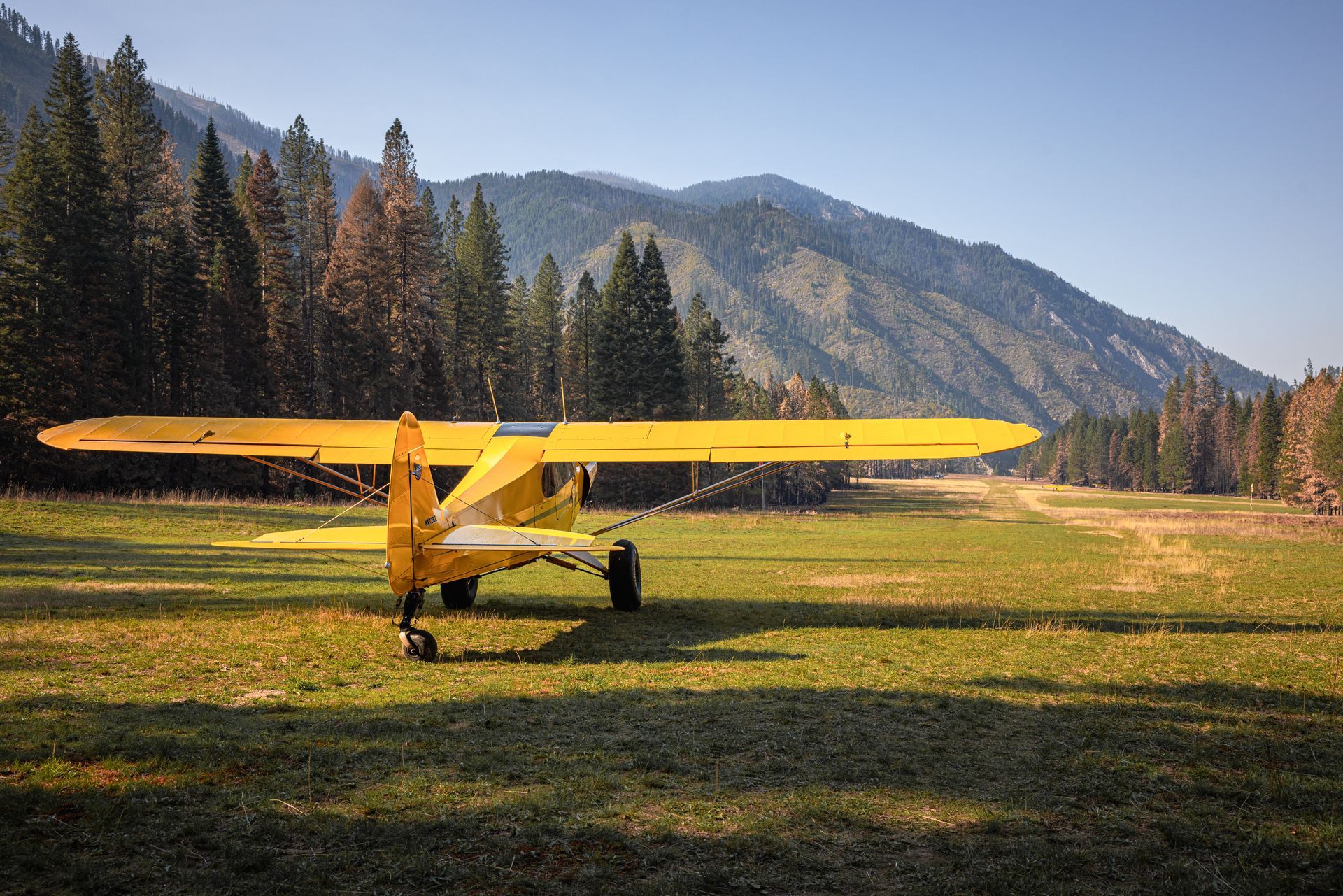
You know the feeling. You set the airplane down somewhere spectacular, shut off the engine, and enjoy the pristine landscape in front of you. This is why you fly. Keeping airstrips pristine is everyone's responsibility. But one item that doesn’t always make it into the airplane is a good trash bag. Not for the trash you planned to make. For the trash you didn’t. Cans left in a fire ring, fishing line along the river, or food wrappers working their way through the brush. None of it came in your airplane, but you have the ability to get it out. That’s reason enough to tuck a couple of heavy-duty contractor bags in with your tie-down gear. They earn their space in other ways, too. A contractor bag can keep wet or muddy gear out of the baggage compartment, cover equipment in a downpour, collect rainwater, or become an emergency poncho or windbreak. It weighs almost nothing and takes up very little room. Throw a few in the airplane and leave them there. You may not need one for your own trash, but there is a good chance you’ll find another use for it—or find something worth carrying out. Submitted September 9, 2026 By Stef Goza, Etiquette Chair, Safety, Education, and Etiquette Committee
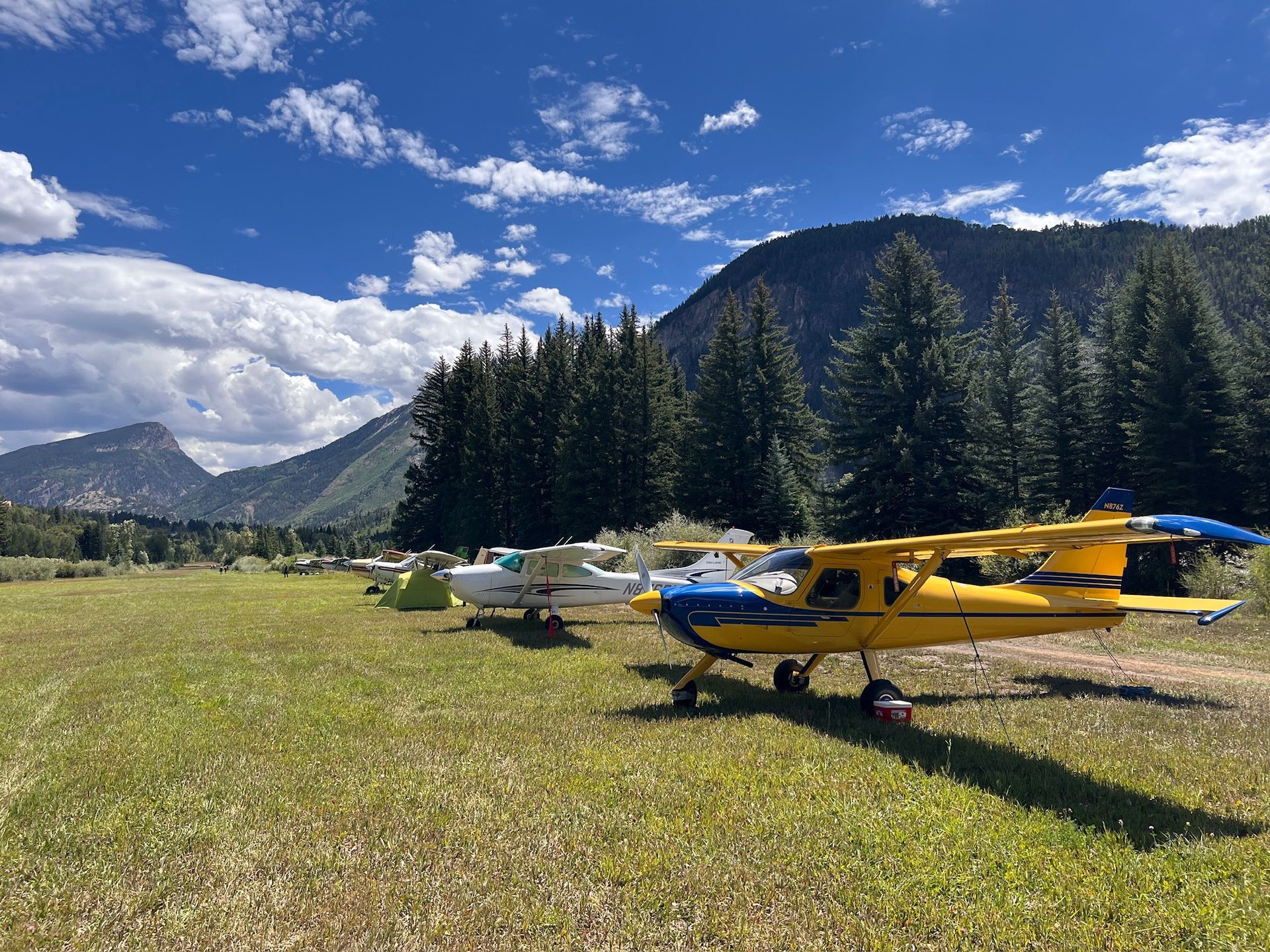
RAF Colorado Liaison Ken Long, Ambassador Mike Langersmith, and other RAF volunteers participated in an August work event at Marble, Colorado, a mountain airfield about 20 nm up the Crystal River drainage south of Carbondale. Airfield Manager Susan Blue put together the task list and oversaw the event that brought 21 volunteers in ten aircraft and four dogs.