A LIFE ENDS, A GIFT LIVES ON

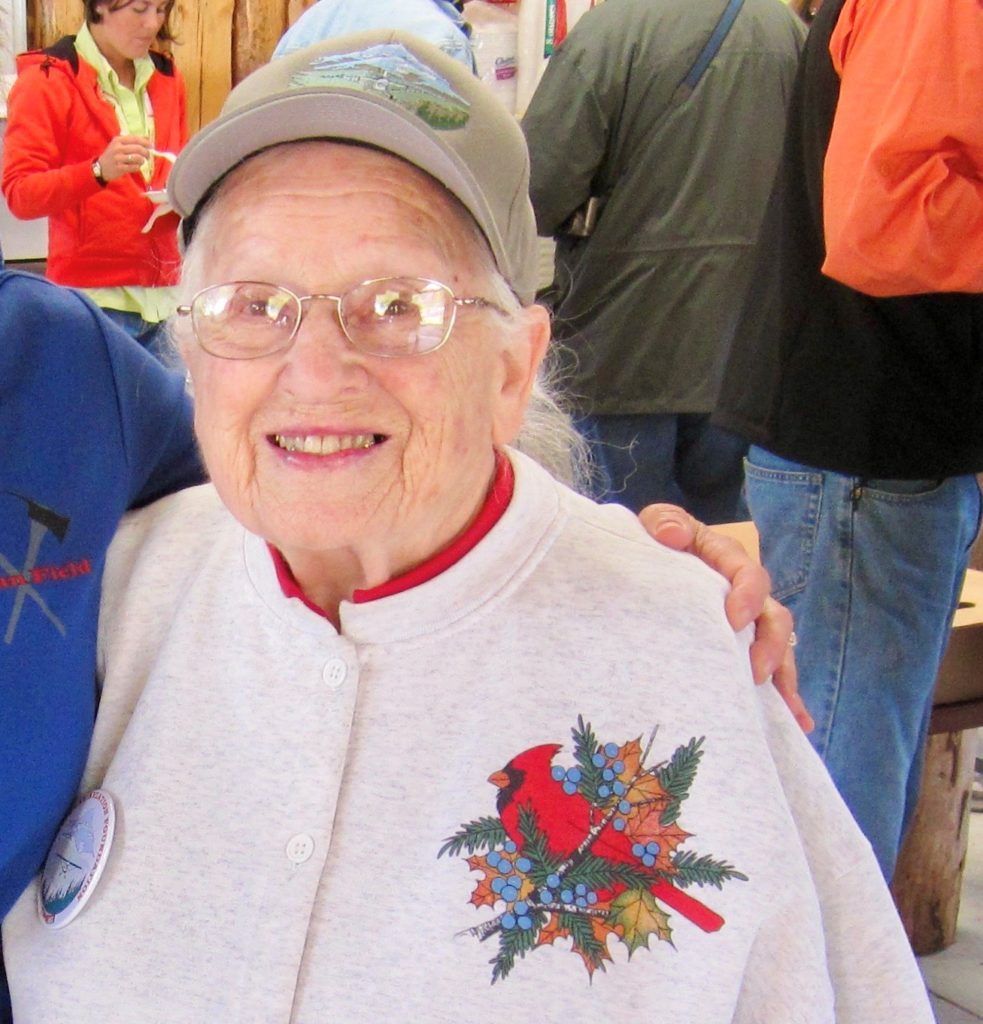
The Recreational Aviation Foundation is saddened to share news of Agnes “Butchie” Ryan’s passing in the early hours of March 15. Butchie and her husband, the late Ben Ryan had generously donated their northwest Montana airfield property to the RAF so it could be shared with the public forever. The RAF was not only blessed with the gift of land, it was enriched with Ryans’ friendship and their life story.


RAF Chairman John McKenna said, “From the first time I met the Ryans in 2002, until Butchie’s passing these twenty years later, the Ryans were an example of lives very well lived. Generosity and humility are two traits that come to mind.”

Agnes Butchkosky was raised in Jeddo, PA, daughter of a hard rock miner who’d emigrated from Austria as a teenager. Butchie’s mother managed to care for the family of seven in spite of labor strikes. Butchie’s father brought home empty wooden charge boxes for the children to play with. “I turned mine into a desk for my nurse’s station,” she recalled, and following that passion, she graduated from nursing school in 1944.

She was determined to join the Army Nurse Corps, even though she was too short. She piled her hair on top of her head with plenty of hairpins. It made her just tall enough. “Our generation was willing to step up and it was what I wanted to do,” she said.

Butchie was assigned to the hospital ship, Republic to serve the injured soldiers anticipated in the planned invasion of Japan. The ship broke down near the Panama Canal and waited a month for parts. Ben Ryan, a dashing Army Lieutenant flying Lockheed P-38 Lightnings on sub patrol, was stationed at Howard Air Force Base nearby. He’d survived bailing out of his P-38, possibly something they talked about during that blind date that changed their lives forever.


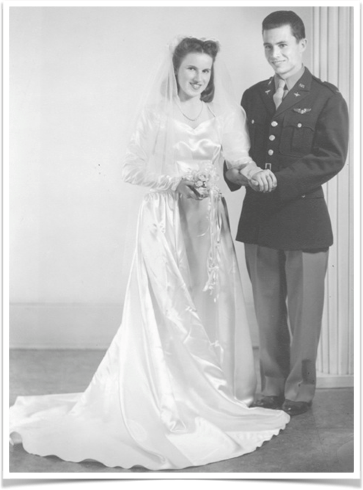
After the War, Butchie was stationed at the Army Hospital in Aurora, CO to treat tuberculosis patients. Following their nine-month courtship, Ryans were married in a Denver hospital chapel on June 8, 1946.

Agnes “Butchie” Ryan, 1922-2022

Ben was honorably discharged and roughnecked on an oil well near Livingston, MT.

Stanford was their home for the next three years where Ben earned his petroleum engineering degree while Butchie worked in the Palo Alto Hospital.

Ben’s career with Richfield Oil began in September 1949, and his duties sent the couple near Bakersfield, then to Wyoming, and Caracas, Venezuela where they left amidst the chaos of a military coup. They transferred to Los Angeles, then to Alaska in 1961. Butchie was cooking moose stew for guests when the 1964 earthquake hit. The whole house pitched and swayed, and they hurried to high ground in the car to avoid a possible tsunami wave.

Ben was responsible for Alaska oil exploration. When his field crew reported promising oil sands near Prudhoe Bay, Ben agreed that Richfield should invest in it, and he and his crew were credited with the discovery of the North Slope oil field.

After retiring, they bought a quarter section of forest near West Glacier, MT in 1966. They built an A-frame home, and Ben designed and built a sawmill from which he sawed lumber to build a shop, outbuildings and hangar where he built several aircraft.

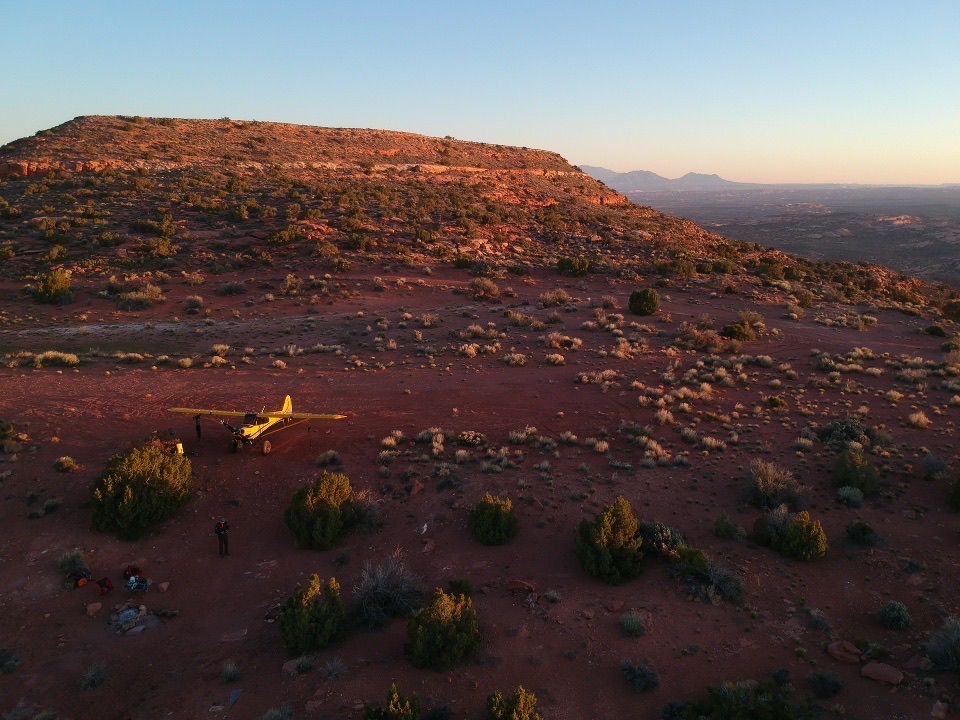
Their land could accommodate a 2,500-foot turf runway, and Ben cleared trees, and filled low spots with a one-and-a-half-yard front loader to create meadow-like Ryan Field, at the base of Strawberry Mountain.

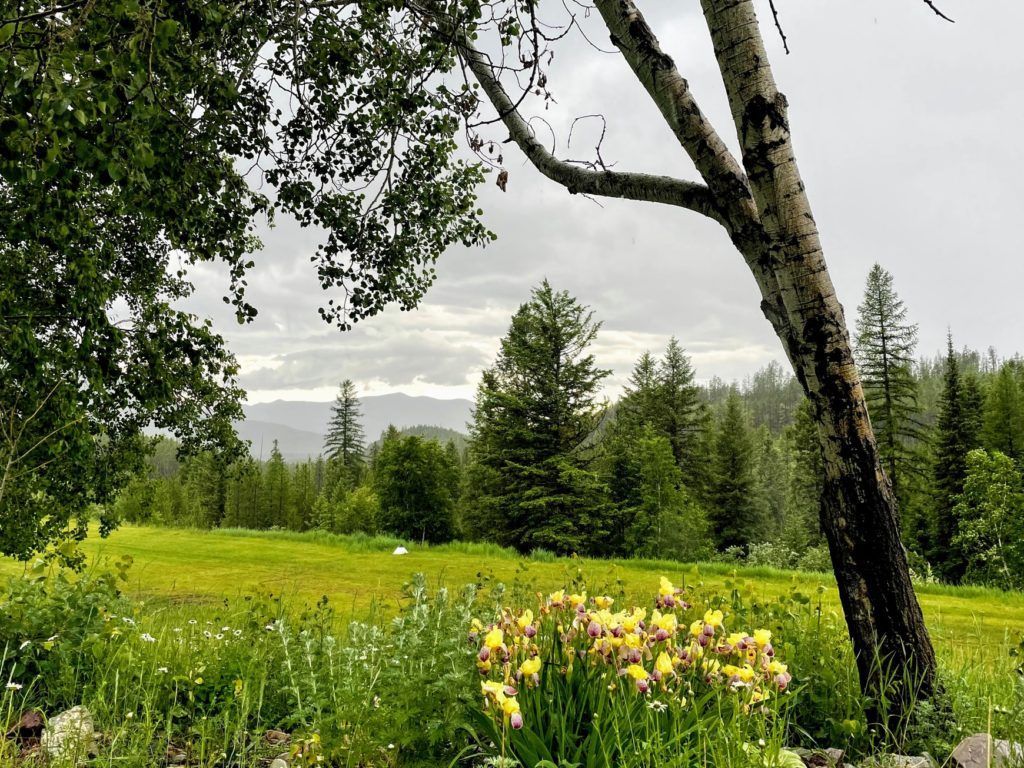
Butchie saw yellow and purple iris growing wild along the highway and took the liberty to transplant a few bulbs around their home. They flourished, and she freely gave bulbs to others so they could enjoy the cheerful Spring color.

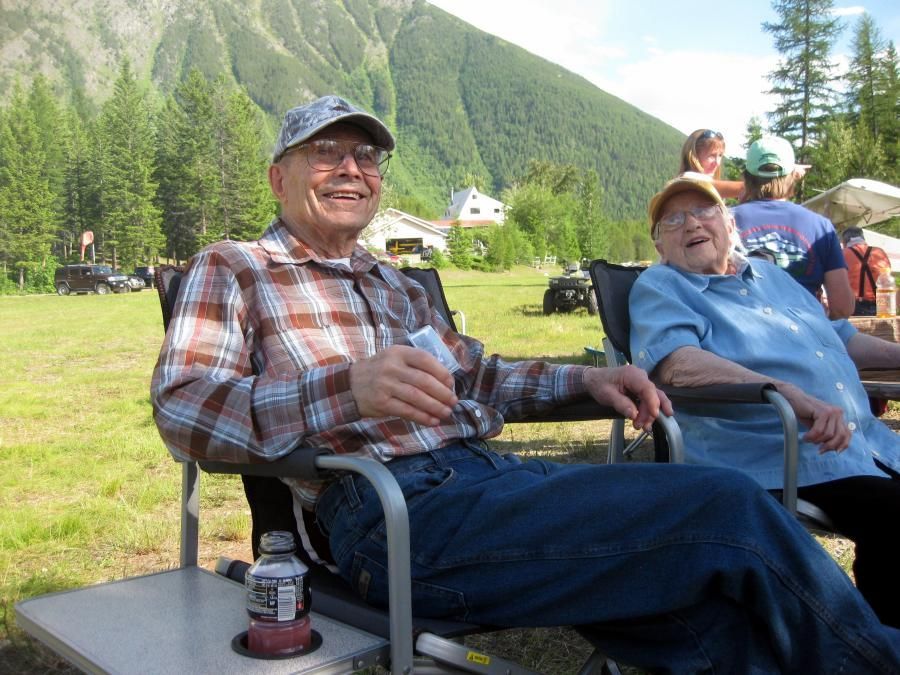
In 2005, Ryans began incrementally donating their property to the RAF so the airfield could be used by the public in perpetuity. In 2008, Ryan Field was dedicated at a fly-in and barbecue. The honored couple held hands and enjoyed the camaraderie throughout the June weekend.

Ben and Butchie moved to the Montana Veteran’s Home in Columbia Falls in 2012, and Ben passed away at age 94 in July of 2017. Now when the yellow and purple iris bloom around Ryan Field, it will serve as a tribute to Butchie and her love for the land and its beauty.

Visitors quickly realize that Ryan Field, 2MT1 is a treasure, and are grateful for the opportunity to enjoy recreational aviation in its beautiful setting so close to Glacier National Park. The RAF will be forever grateful for this opportunity to be stewards of the property, and the Ryan Legacy.

A memorial service with military honors was held graveside Tuesday, March 22 at the Veterans Memorial Cemetery in Columbia Falls, MT.

Butchie was assigned to the hospital ship, Republic to serve the injured soldiers anticipated in the planned invasion of Japan. The ship broke down near the Panama Canal and waited a month for parts. Ben Ryan, a dashing Army Lieutenant flying Lockheed P-38 Lightnings on sub patrol, was stationed at Howard Air Force Base nearby. He’d survived bailing out of his P-38, possibly something they talked about during that blind date that changed their lives forever.

After the War, Butchie was stationed at the Army Hospital in Aurora, CO to treat tuberculosis patients. Following their nine-month courtship, Ryans were married in a Denver hospital chapel on June 8, 1946.

Submitted on March 16, 2022.

Posted in News

    Recent Posts

June 23, 2026
RAF New Hampshire Liaison John Meade coordinated a work party over the June 13-14 weekend at Hawthorne-Feather Airpark, 8B1. The paved 3,260-ft runway lies in a forested valley three miles south of Hillsborough, New Hampshire. Additionally, there is a 2,000 foot adjoining turf landing area to the East of the paved runway. The airpark is privately owned, but is open to the public, and camping is allowed. A group of 11 volunteers showed up to help, including RAF Director Bill Brine. The group helped open up five campsites on the southern end of the airfield, installed a commemorative flagpole, and weed-whacked along drainage ditches and a walking trail. “With volunteers from six different states and great weather, this was a special day, with plenty accomplished,” Meade said. Submitted June 23, 2026
June 18, 2026
Our many RAF supporters have such vast and varied experience, and we’re capturing some of their words of wisdom to share with you. This guest editorial is by Neil Mortine, a marketing and relations executive, RAF Supporter, and husband of RAF Ohio Liaison Christine Mortine.
June 17, 2026
Taylor Flat Airstrip, just a stone’s throw from the wild and scenic Green River as it carves through spectacular Utah canyons, is officially reopened. Thanks to a cooperative effort between the RAF and Utah Back Country Pilots (UBCP), Taylor Flat Airstrip, TF9, is one more recreational destination pilots can once again enjoy as the RAF works on Expanding The Map ! In 2023, dialog was initiated with the BLM to reopen the airstrip. Daggett County got involved, and RAF Utah Liaison Wendy Lessig navigated the required NEPA process. Lessig was instrumental in preparing a right of way (ROW) lease agreement application, coordinating between Daggett County, the BLM, and other stakeholders, and gathering information to assist the BLM throughout the required Environmental Assessment. “Thanks to Wendy taking action as the RAF Liaison, and her professional persistence following through the lengthy public review process, Taylor Flat Airstrip will reopen as another unique backcountry destination," RAF President Bill McGlynn said. The RAF and UBCP teamed up May 9 to revitalize the airstrip, which had lain dormant for thirty years. “The work party was a resounding success,” Lessig reports. ”We are grateful for the twenty-five volunteers who hand-picked rocks from the airstrip, and used them to mark the runway corners and threshold. “
June 16, 2026
Starting this month, we’re sharing messages from our RAF Safety, Education and Etiquette “SEE” committee. We hope you like the way we present these stories, and most importantly, we hope you’re one of those folks willing to sit around the campfire and help your friends become better at this thing we call backcountry aviation. We all see things that might not end well. We don’t intend to call anyone out for what might already be a bad day in someone’s flying life. In the interest of safety, we’re inviting you to be part of the culture starting with, “see something, say something.” The hard part might be how to politely deliver that message, and even more important, how to react if we are on the receiving end of someone’s comment. It takes maturity to accept input, especially at one of those moments when maybe we realize things could have just gotten much worse for us. I know I’ve been in “that place” when some thoughtful input about my flying or behavior has been offered. Part of flying is to always strive to be better; and when we aren’t at our best, try to own our shortcomings, learn from them, and move forward. I think about this often. I worry that if we don’t work at getting this part right, at best we risk losing access due to bad practices or behavior; and at worst we risk people getting hurt or worse. It’s that last piece that keeps me up at night. Of all the joys that doing this work brings us at the RAF, the risk of people getting hurt is what I think about the most. Safety, education, and etiquette are tied. Getting these right means the best outcome. So, get out there this summer. Get some grass stains on your wheels, get some bugs on your windscreen, get better at your craft of flying the airplane, meet some new people, and for sure start to create those special friendships that begin around a campfire under a starlit night. - John McKenna, RAF Chairman Submitted June 16, 2026
June 15, 2026
By RAF Director Bill Brine and the RAF's Safety, Education, and Etiquette Committee. Too many backcountry accidents happen on the third approach. After two unsuccessful attempts at landing, the pilot is tired, anxious, behind the airplane, and making decisions with a brain that has been running down since the first go-around. The airstrip hasn’t gotten easier. Third time’s NOT a charm. What’s driving this is cultural. Baseball is “three strikes, you’re out.” Could this thinking have joined us in the cockpit? We aren’t playing baseball out here. The backcountry does not give you that third strike. It gives you consequences. Our RAF Code of Conduct calls on each of us to establish personal minimums based on sound aeronautical decision-making — before we need them. Decide your limits at the kitchen table. Write it down. Brief your passengers. Commit to it before you start the engine. That’s when the rule does its job and leads to that hoped-for experience you set out on. Here is one worth considering: two attempts, fly away, head somewhere else . Not because your mission failed, but because you made a sound decision. Flying away is not defeat. Head to your alternate. Land, shut down, and let everyone decompress. Unload gear, leave passengers, go back solo, or call it a day. Those are good outcomes. Submitted June 15, 2026 Photo Credit: Scott Newpower