Bob & Judy Gillette

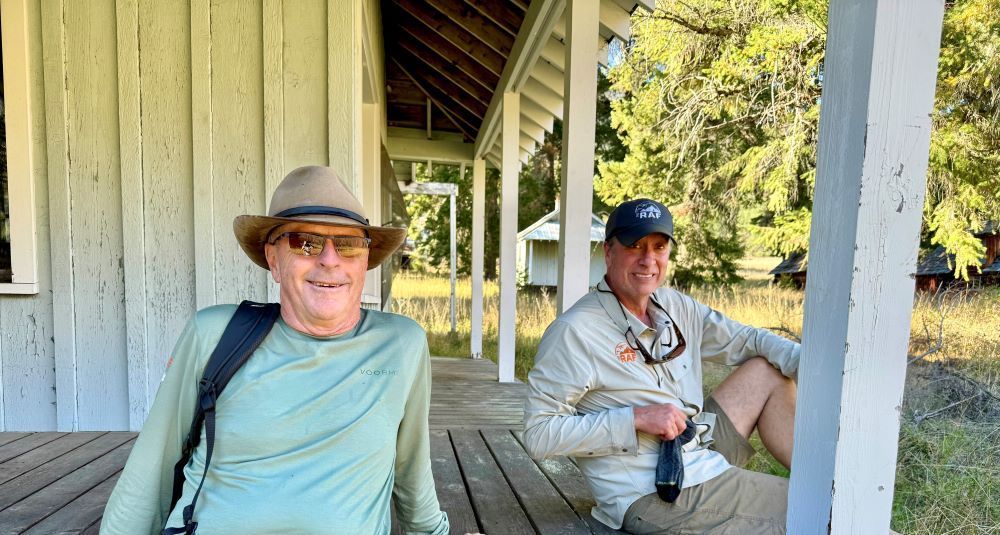
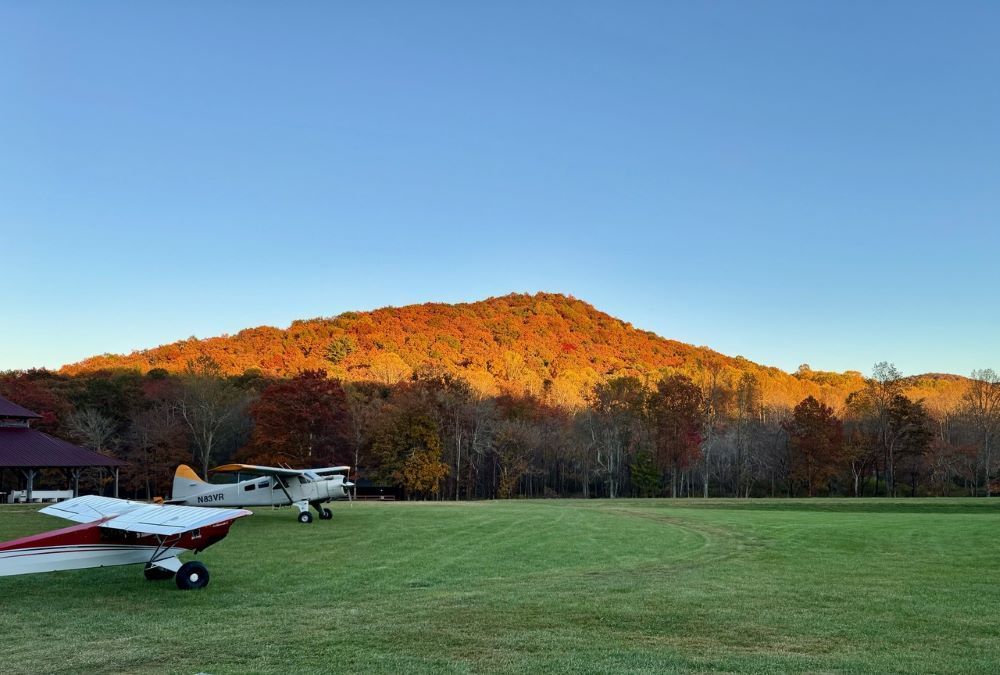
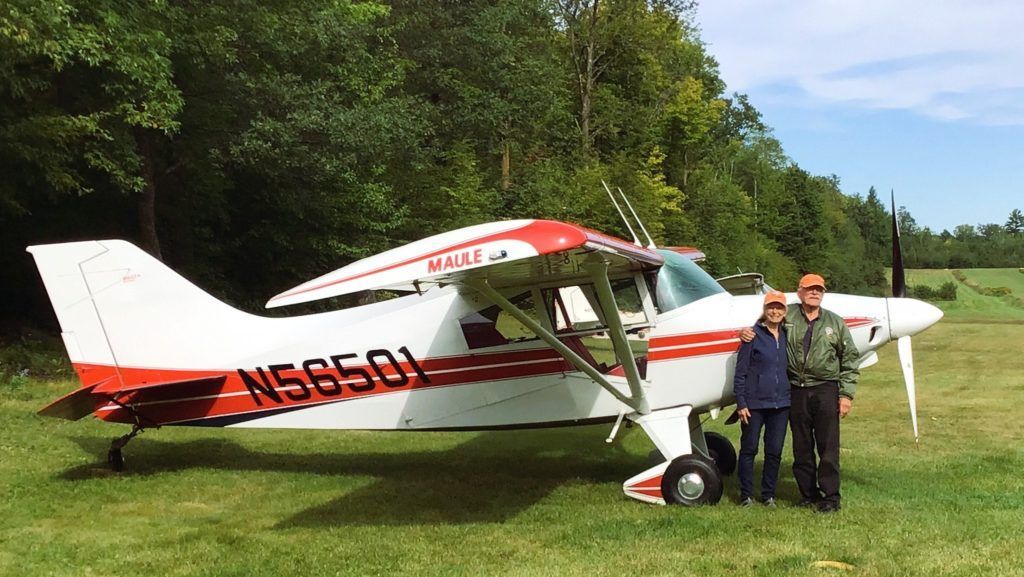
When you meet Bob and Judy Gillette, it’s easy to imagine them sailing their traditional two masted teak ketch off the California coast, or tooling around the Midwest countryside in one of their vintage wire-wheeled Jaguars. Visitors have enjoyed Gillette’s warm hospitality after landing on their 2,400-ft turf airfield at Lakewood Lodge in northern Wisconsin, where Bob and Judy hangar their airplanes. Wisconsin winters don’t slow them down, as they have enjoyed their Maule on skis, and in the past spent time on snowmobiles, snowshoes and cross-country skis.


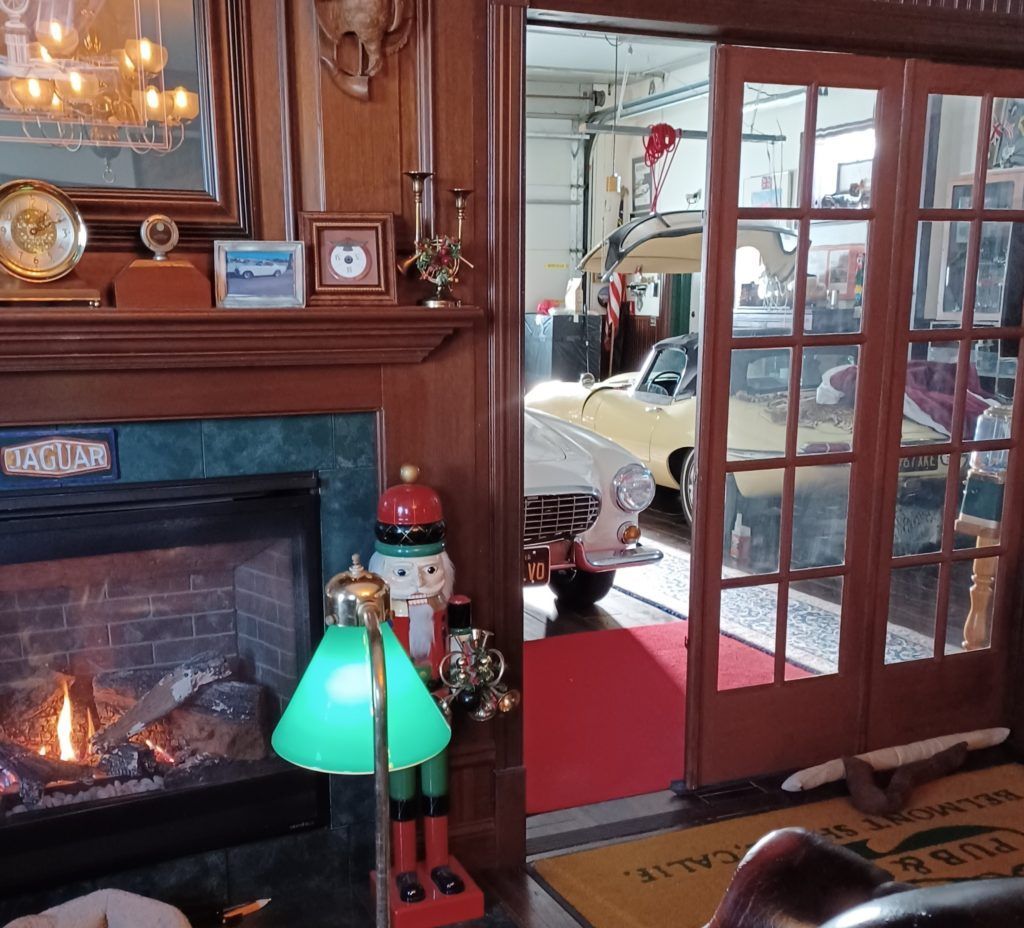
“Now we go north for our winters,” Bob says. North? “About five miles north of the Lodge to our home in town,” Judy adds. They purchased the old Stone Lake fire hall, and turned that drab gray building into their cozy home, installing coffered ceilings and filling it with memorabilia. There’s adequate shop space for Bob to work on his array of vintage autos – more than you can count on both hands. One, a 1960 XK 150S with right hand drive was owned by British actor Trevor Howard. “We like old things,” Bob confesses. Lakewood Lodge is on a gravel road, and Judy explains, “We prefer living in town most of the winter rather than drive on all that gravel. It saves me a lot of polishing.”


Judy, originally from Tillamook Oregon, and Bob, a native of Wisconsin, met thanks to their respective careers with United Airlines. Judy had tried office work in Portland after graduating from high school, but says, “Office work wasn’t fun,” so she applied as a flight attendant. “I took Newark, since no one else wanted it,” she added. Bob was a pilot initially based in Chicago, and it was fortuitous for them both when he got tired of digging his car out of snowbanks and bid for Los Angeles, where Judy was then based. They married, and lived for a time on “Blackguard”, the 40-ft Taiwan-built ketch that Bob had bought by then.


Ever since taking the stick of a J-3 as a kid, Bob knew he wanted to fly. “I was working nights in the development department for Woodward Governor Company in Rockford, Illinois. I went home, and thought about my friend having hired on at United. I could have just stayed in bed and gotten more sleep. We have chances in life where we come to a fork in the road. So I headed for O’Hare for my interview with United,” he says, and left a job he liked as machinist and lab technician. “In my rush, I forgot to put on a belt, so I spent the whole interview with my stomach sucked in and my suit coat buttoned so they wouldn’t know I was forgetful. I knew they wouldn’t want THAT in a pilot!”

Bob’s passion for learning and flying led to his 33 year United career with both recip and turbine ratings. He starting as Flight Engineer on the DC6, then Boeing 737 and 720; then First Officer on the 727. He stopped counting after reaching 18,000 hours all over the world. In 2000, he reached the mandatory retirement age of 60, but certainly kept flying. Gillettes have owned a variety of GA aircraft including Bob’s first, a Piper Vagabond; and more recently, a Luscombe 8A, and one-of a-kind Maule M5-200, still owned by an RAF supporter.


Judy earned her private pilot license, and enjoyed flying their Luscombe off their airfield. She retired from United after 32 years, when Bob retired.


Gillettes invite folks to come enjoy their facilities on the shore of Loyhead Lake. They added an RV campground in the pine trees with picnic tables, fire ring and electrical hookups. There are tie-downs for airplane camping. They host an annual fly-in and picnic there. The four-day event is an annual gathering of local EAA chapter 631 and RAF friends, and is a leisurely opportunity for folks to gather and spend time together.
Submitted March 14, 2024

By Carmine Mowbray


    Recent Posts

By Carmine Mowbray July 14, 2026
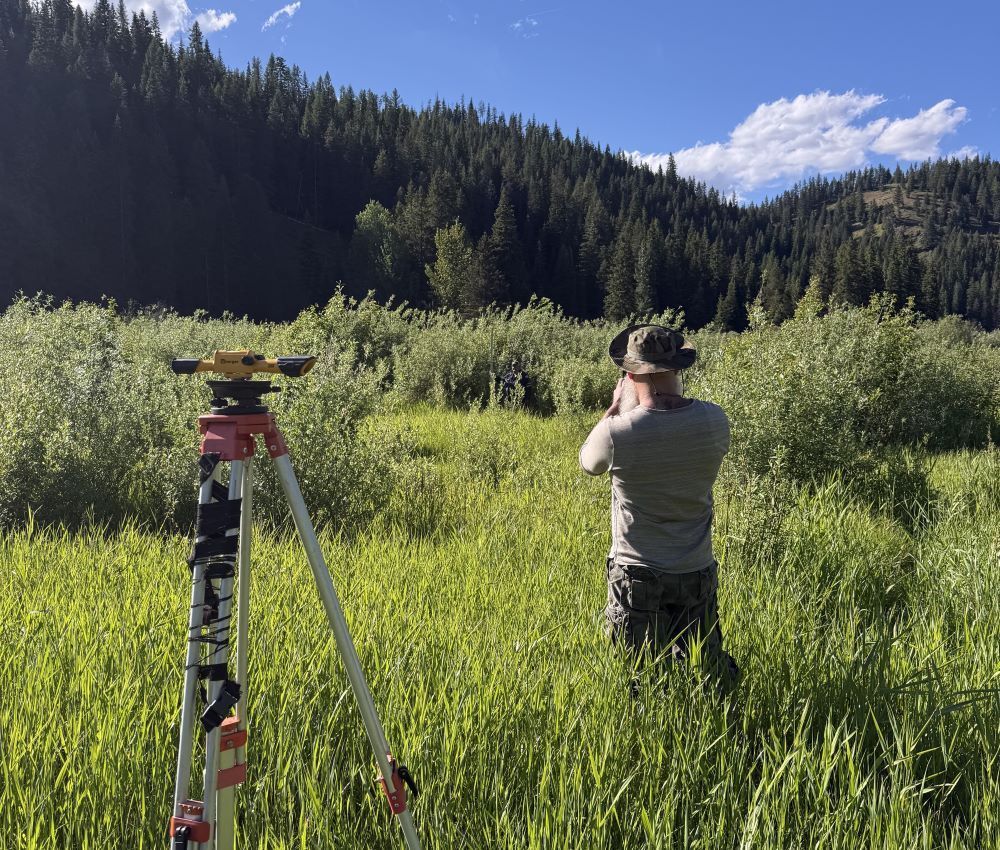
“It's hard to describe the emotions associated with this effort,” said RAF California Liaison Katerina Barilov of the restoration of Monache Meadows airstrip, on the Kern Plateau south of California’s Mount Whitney. This High Sierra airstrip had been accessed for recreation for years until the US Forest Service unofficially closed it in the 1970s citing the Wilderness Act, although the strip is not in a Wilderness area; it lies between the Golden Trout and South Sierra Wildernesses. The RAF is thrilled to announce that Monache Meadows is officially charted as L80, and has been brought back into safe operation after many years of neglect. It is open for public access, thanks to years of effort and support by RAF volunteers and donors. RAF California Liaison Rick Lach first learned of the airstrip in the 80s on a Jeep excursion planting trout in the High Sierras. Lach became an RAF Liaison in 2011, and determined ways to approach the appropriate land managers about restoring the airstrip for use after being abandoned. Persevering for 15 years with respectful communications with a series of District Rangers, he finally delivered a breakthrough in 2024 when the Forest Service agreed to include Monache Meadows in its scope of work, allocating some funds in cooperation with RAF volunteer efforts. "After years of patience and persistence, I am glad to announce that we have restored Monache Meadows back to safe operation to be enjoyed by pilots once again," said Lach. Both Lach and Barilov organized repeated work parties, seeing as many as 20 volunteers making the arduous drive to help. A Monache resident and RAF supporter donated the windsock. The remote area is popular for camping, hiking, and fishing, and up until now was only accessible seasonally by a rough and rocky road, requiring high-clearance 4WD vehicles. The road becomes soft and impassable during wet conditions and closes due to snow. Barilov said, “We appreciate everyone's help. The strip ended up nearly 2,400 feet in length, is very flat, and is covered with grass. Frankly, it looks like one of the best grass airstrips I have ever landed on.” The airstrip lies at an elevation of 7,874, so those wishing to access it must consider density altitude, and that it seasonally gets heavy snows. The RAF's Expanding the Map initiative is a nationwide effort focused on opening, improving, and restoring access to airstrips, helping connect aviators to more of the places they love to explore. Learn more about Monache Meadows Airstrip and how the RAF is Expanding The Map . Submitted July 15, 2026 By Carmine Mowbray
By Matt Foster July 14, 2026
By Matt Foster - Safety, Education, and Etiquette Committee Chair Your backcountry adventure likely involves a heavily loaded airplane, a short strip, challenging terrain, and limited options. Your practice should reflect those realities – at your home airport. Weave exercises into your normal flying, and consider bringing someone along to observe and keep you honest. Make your normal operations backcountry-ready operations. Seek out an instructor with backcountry experience or challenge your local instructor to learn about your upcoming mission and play a role in your preparation. Load the airplane as you expect to fly it. Bring the camping gear, survival equipment, and ballast that simulates your expected weight and center of gravity. You’ll learn more about how the airplane performs when it's configured for the mission…not when it's empty and light. Make all your landings “spot” landings (remember: your “worst” landing is your standard). Know your performance for takeoff distance and power settings. Learn to lean for density altitude. Practice these calculations for your aircraft. Fly non-standard patterns where airports allow. Practice go-arounds with varying flap settings. Practice slow flight and canyon turns. You can do many of these on every local mission with only a little more thought and purpose…and it can be fun and rewarding. Visualize the adventure, and practice before you launch your adventure. The backcountry is no place to discover your limitations. Submitted July 14, 2026 Photo Credit: Bill Brine
July 14, 2026
The annual Meadow Creek, Montana cooperative work party occurred on June 20. Volunteers from Montana Pilots Association, Montana Aeronautics, and the RAF flew in to do seasonal maintenance together on this popular NW Montana Forest Service airstrip adjacent to the Bob Marshall Wilderness. 
By Carmine Mowbray July 14, 2026
RAF New Hampshire Liaison John Meade originally came on board as Liaison in 2016 and has recently volunteered to add Vermont to his Liaison role. We are thrilled to have his help in both states going forward. John grew up in New York and had the Navy take him away; eventually depositing him in Massachusetts. John’s father-in-law was a pilot, and in the late 80s, John got bitten by the flying bug as well. Eventually, a SuperCub on floats became his pride and joy. It became a convertible with Bushwheels, skis, and floats. He credits his association with SuperCub.org for coast-to-coast friendships and finding a cadre of local New England pilots in search of backcountry adventures. John’s current airplane is a Bearhawk Patrol that he built. John and his wife Jennifer split their work week between Massachusetts and New Hampshire, where they have a home and airfield. Their Wentworth Aerodrome – affectionately known as the “WAD” – is located 12 miles from Vermont, where he flies routinely. John has one son and five grandchildren. RAF NH/VT Liaison John Meade can be reached at jmeade@theraf.org . Submitted July 14, 2026 By Carmine Mowbray
By Carmine Mowbray July 14, 2026
RAF Supporter Chris Erkmann lives in Chesterfield, Missouri – about 20 miles west of St. Louis, midway between the airfields at Trigger Gap, AR and Henderson, IL. He has flown his 1962 Cessna 182 into both places to volunteer at work parties alongside other RAF supporters.