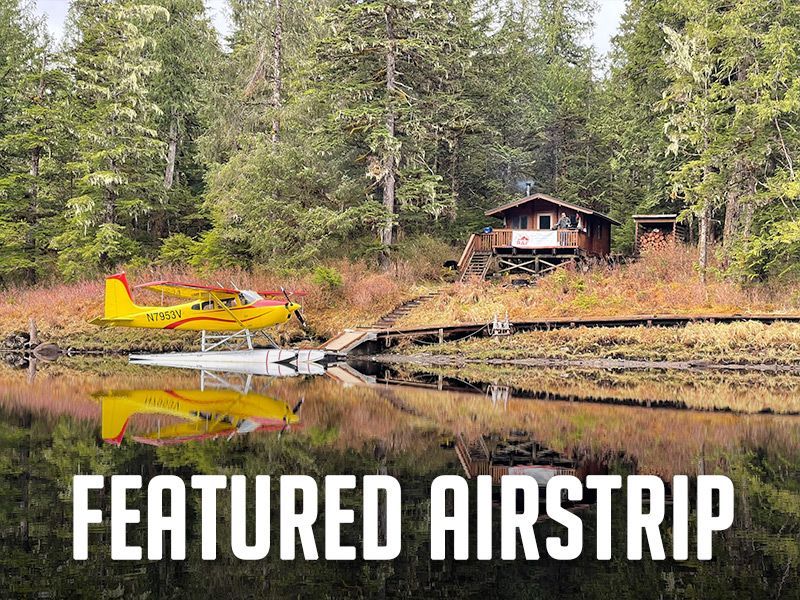
RAF FEATURED SUPPORTER: CHUCK JARECKI

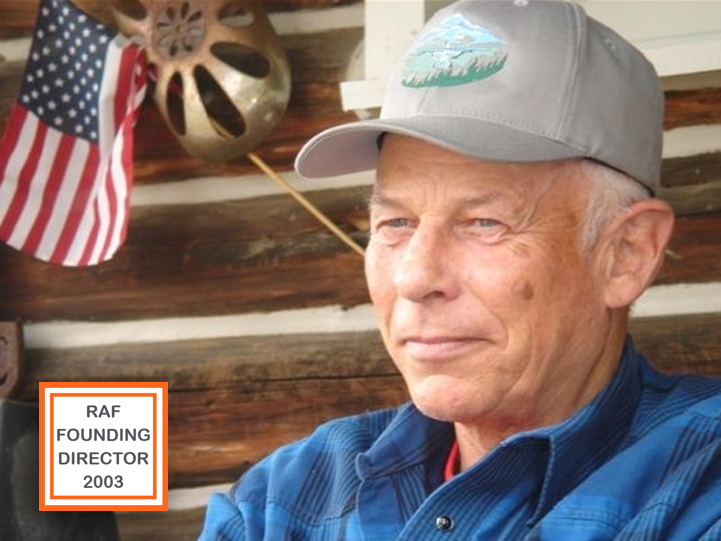
To simply call Chuck Jarecki of Polson, Montana, an “RAF Supporter” falls way short of the contributions this pilot and retired rancher has made to the RAF and to general aviation.


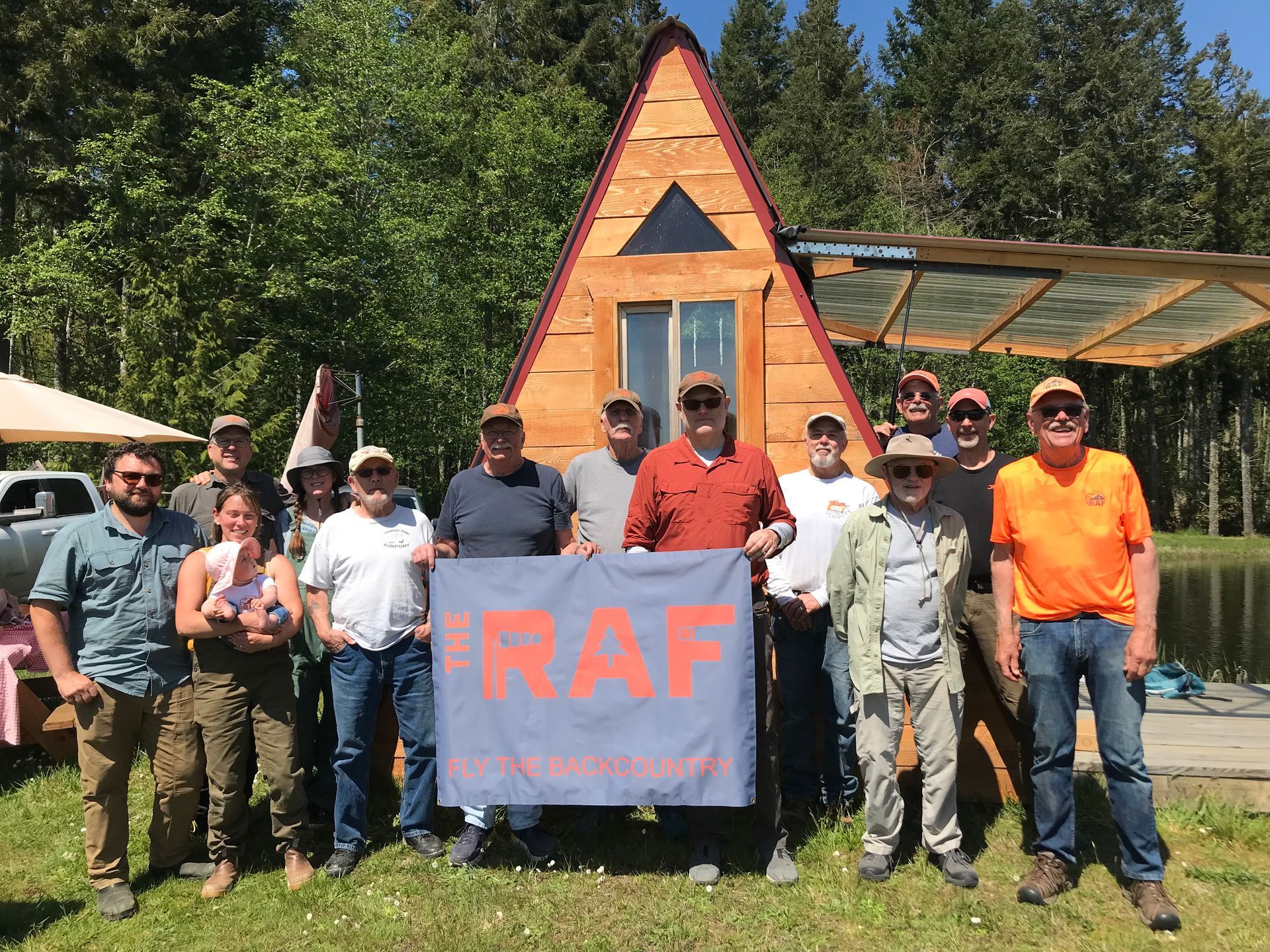
He was one of those six fellows around the campfire who recognized the need to protect aviation access to the backcountry, and asked, “If not us, who? And I not now, when?” Chuck has always practiced good backcountry ethics, saying, “Pilots must respect other people’s values just as we expect them to show consideration for our means of wilderness access.”


Chuck was raised in Erie, PA, but was born with a Western heart. Between terms at Hotchkiss boarding school, and four years at college, he made his way to Wyoming and Montana working as a ranch hand to learn ranching from the ground up. After finishing his Agricultural degree at Cornell, plus additional course work at Montana State University in the range management department, he found his place and bought a ranch west of Polson in Western Montana.


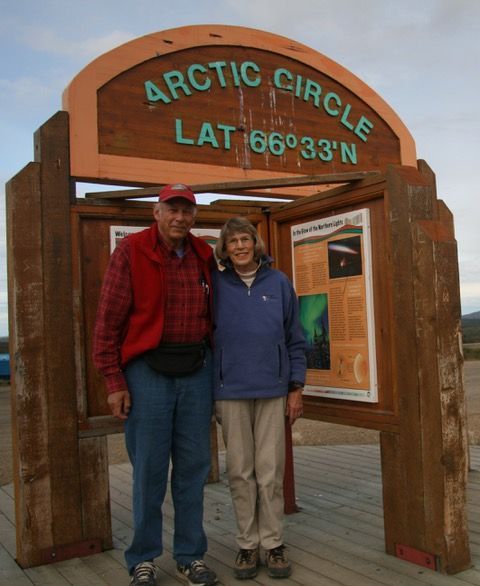
Chuck and his wife Penny have always worked side-by-side, whether it’s raising cattle, or contributing to community events. Penny was known for her crew dinners and homemade pies. She founded the Greater Polson Community Foundation, a thriving nonprofit, and she continues serving in an emeritus role.


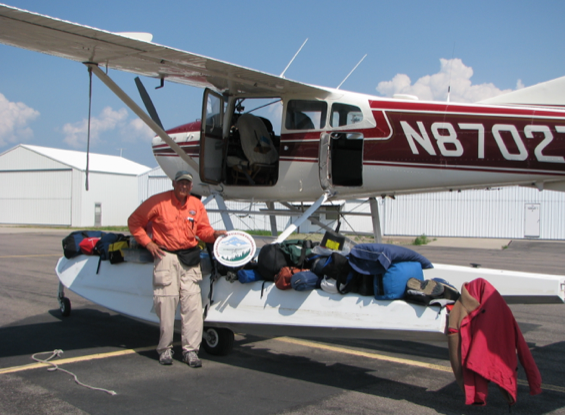
Jareckis bought their brand new Cessna 180 in 1976, and have logged thousands of hours together traversing most of the Western Hemisphere, including flights to the East Coast, venturing as far as Labrador, three and-a-half time zones from home. Escaping Montana’s winters, they often flew to Mexico, even as far south as Panama. Always searching for new challenges, Chuck mastered seaplane skills, and owned a Cessna 185 on Aerocet floats for a dozen years, exploring Alaska and Canada, making it all the way to the Arctic Ocean more than once. The 185 had a fuel-injected O-520. “I really hoped it started quickly after I untied and was adrift on the South Nahanni River just above Virginia Falls in the Northwest Territories,” he recalled. Luckily, it did!

Not many people from the Lower 48 can say they’ve landed at 49 Alaska locations from Anatuvuk Pass to Yakutat, as the Jareckis have. Venturing beyond the Western Hemisphere, Chuck and Penny have landed at 14 different places during a flying tour of Australia.


Where did his passion for flying take root? His father was an avid pilot, and Chuck has fond memories of the stories of the cabin Waco his father and mother flew cross-country before he was born. Later, after WW II, Chuck’s father worked as a corporate pilot.


The Jareckis have sold their ranch, and it remains a showplace of good range management. Having retired from his ranching career, Chuck had some time and a lot of knowledge to apply to the new RAF and its mission. His successful relationship with public land managers was a valuable asset, and Chuck was instrumental in saving the six BLM backcountry airstrips within the Upper Missouri River Breaks National Monument. “Chuck set us on a path toward productive conversation with the BLM and the results we were hoping for in those early days,” RAF co-founder and Chairman John McKenna said.

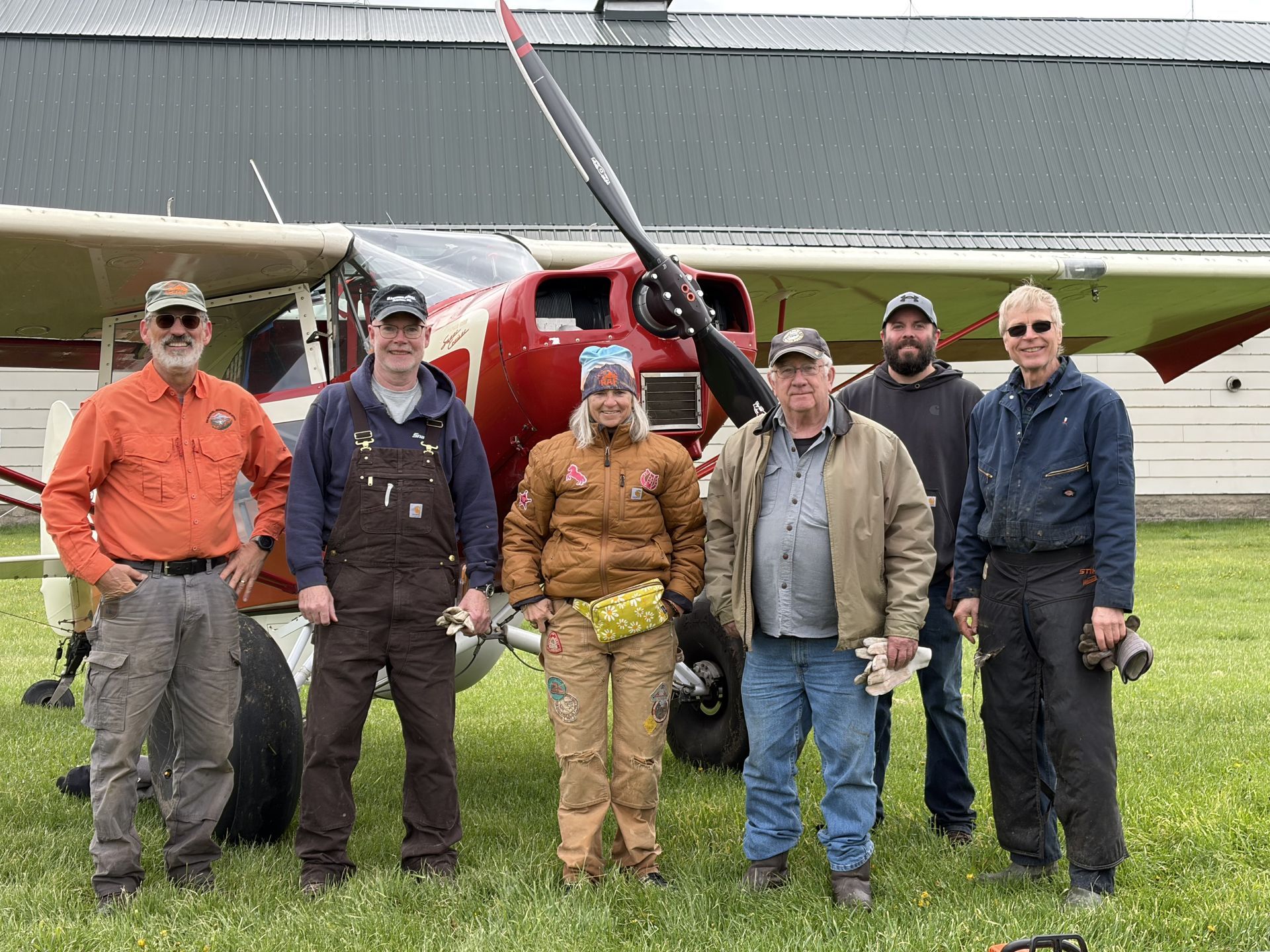
When not on flying, trekking, or rafting adventures, Chuck has spent an incredible amount of time and energy making improvements at Ryan Field, too numerous to mention. From arranging the initial logging project, clearing areas for tie-downs, spraying weeds, obtaining, painting and placing the runway cones, “I stopped counting after I flew dozens of trips up there,” he says. Folks who’ve enjoyed the rustic Ryan pilot shelter, privy and his hand-crafted bear boxes, have Chuck and his occasional volunteers to thank. Many fun hours have been spent cooking and baking with the wood cookstove the Jareckis donated from their original ranch house, or frying steaks over the stone barbecue he built.


Tackling another important task, Chuck drafted the RAF’s Advocates’ Guide to Recreational Aviation, and the companion reference, Land Managers’ Guide to Airstrips on Public Lands, which are valuable resources for the RAF Directors, Liaisons, and those overseeing public lands.


A former director of Montana Pilots Association and co-founder of the RAF, Chuck’s philosophy helped craft the RAF Code of Ethics. “I am keenly aware of the struggles we, as advocates of recreational backcountry aviation, constantly endure to protect airstrips and our rights to use them. We must conduct ourselves in such a way to preserve flying opportunities for future generations,” he says. “Chuck’s early leadership and countless volunteer hours helped establish the RAF Way, and set it on a course for success,” McKenna added.
Submitted June 3, 2023.


Recent Posts

April 5, 2026
FEATURING: THE RAF DOG COLLECTION MODELED BY JOSIE & MUD Outfit your four-legged co-pilot for every adventure! From airplane rides to backcountry trails, this collection has everything they need to travel in comfort and style. Featuring two new additions—a stainless steel Orvis dog bowl and DawgMuffs—alongside RAF favorites like the collar, leash, and bandana. This collection includes items designed and created by RAF supporters. Shop the Dog Collection here. If you have questions, please email contact@theraf.org or call 406-582-1723. Your RAF Outfitter purchase is greatly appreciated and furthers the mission to preserve, improve, and create airstrips for recreational access. You can support the RAF mission all year by shopping at the RAF Outfitter online store. Products are being added regularly, and items are thoughtfully selected for durability and suitability for pilots, by pilots. We welcome photos of supporters using RAF gear! Please send your images to ewhite@theraf.org , and let us know if we have permission to post them on social media or our website. Submitted April 5, 2026.
By lellington April 3, 2026
Call To Action Volunteer
March 30, 2026
As you're planning your 2026 flying adventures, remember to review safety briefings for the airstrips you plan to visit. The RAF strongly recommends you review safety briefings and print a copy to have in your airplane - it's even required to fly into some airfields, like Ryan Field (2MT1). For those airfields, pilots flying in are required to review the briefing on an annual basis, and now is the perfect time to catch up on any changes to the runway/area that happened throughout the winter. You can find safety briefings on the RAF Airfield Guide . If an airfield in the Airfield Guide has a required briefing, the airfield listing will clearly indicate it and have a tab to view the briefing. Submitted March 30, 2026 Photo By Jim Stevenson
March 30, 2026
RAF Texas volunteers and Ranger Airfield Foundation volunteers helped begin restoration of the historic 1928 Ranger Airfield hangar on March 28. “A Wright biplane landed here at the field in 1911, and people have been using it ever since,” Ranger Airfield Foundation Founder Jared Calvert said. He noted that Amelia Earhart landed there in a Pitcairn Auto Gyro. Richard Bach, Pancho Barnes, and General Patton also landed at the field. It’s the oldest continuously used turf field in Texas. 
By Carmine Mowbray March 30, 2026
For adventurers seeking access to the Gila Wilderness, we suggest landing at Sacaton Airstrip, NM16, near Buckhorn, New Mexico. The runway lies on a “finger mesa,” and the Rain Creek trailhead lies just northeast of the field. Thanks to RAF New Mexico Liaison Ron Keller's coordination with the USFS using a Cost Share Agreement, Keller was able to organize RAF and New Mexico Pilot Association (NMPA) volunteers to rehabilitate and reopen the long-abandoned airstrip in 2022. Beyond reopening the airstrip, Keller added camping amenities, including picnic tables and a new vault toilet. Most recently, Keller oversaw the installation of new shade structures, most welcoming to campers and hikers. RAF and NMPA volunteers complete ongoing maintenance at Sacaton and other airfields in the Gila National Forest. You’ll see white-painted rocks along Sacaton’s 3,989-ft dirt runway, and surrounding the segmented circle near the RAF windsock. The airstrip lies at 6,200-ft elevation, so pilots should be mindful of density altitude while flying over high terrain in the vicinity, even in winter temperatures.  “Anglers will enjoy plying streams for the rare native copper-colored Gila trout, once a threatened species,” Keller reports. The mile-and-a-half trail to the crossing at Rain Creek is narrow and challenging and traverses a variety of terrain, but the serious hiker will be rewarded trekking through steep canyon walls lined with green alder, willow, and boxelder, hoodoos, and eagle aeries above. There are rumors of a double waterfall some distance on the west fork of Rain Creek trail. See the Sacaton page in the Airfield Guide for more details. Note that the airstrip may be unusable due to snow or after heavy rains. This runway should be considered one-way in/one-way out to avoid overflying the Wilderness boundary. There is a 4.6% upslope to the East, favoring landing Runway 08 with right traffic, remaining clear of the Wilderness east and north of the airfield. Please consider others seeking a Wilderness experience. Prior to landing at Sacaton, permission is required by calling the USFS Gila Dispatch center at 800-538-1644. Please familiarize yourself with Sacaton in the Airfield Guide and the New Mexico Pilots Association Safety Briefing . Submitted March 30, 2025 By Carmine Mowbray