Dan Prill

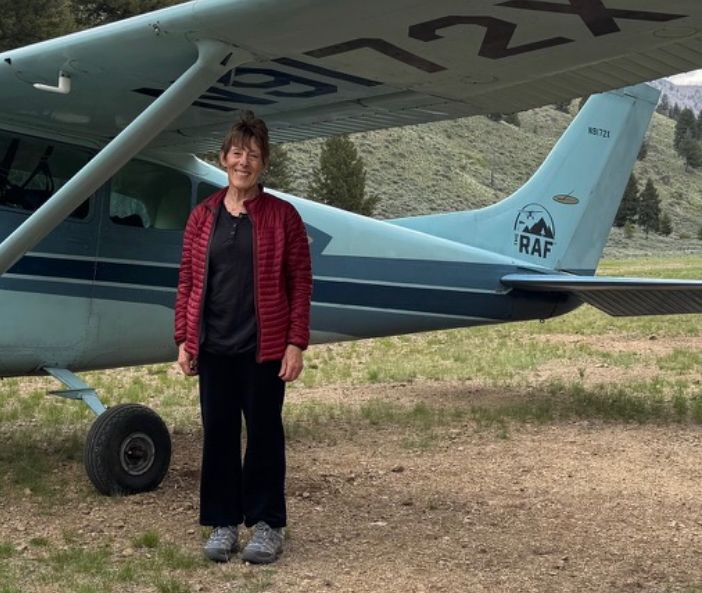
Dan Prill of Sand Coulee, Montana, has interests as varied as the snacks aisle at your supermarket. From flying his Cessna 185 off his own airfield, to the slower pace of trolling for fish in his kayak.


For many summers, Dan and his wife Margie flew their SuperCub on floats to his family’s rustic fly-in fishing lodge on Prill Lake in Saskatchewan. The couple treated fly-in guests to comfortable rooms, mornings fishing in the lake, abundant meals of fresh-caught walleye, Margie’s homemade blueberry pies, and a cooler full of adult beverages, all flown in.
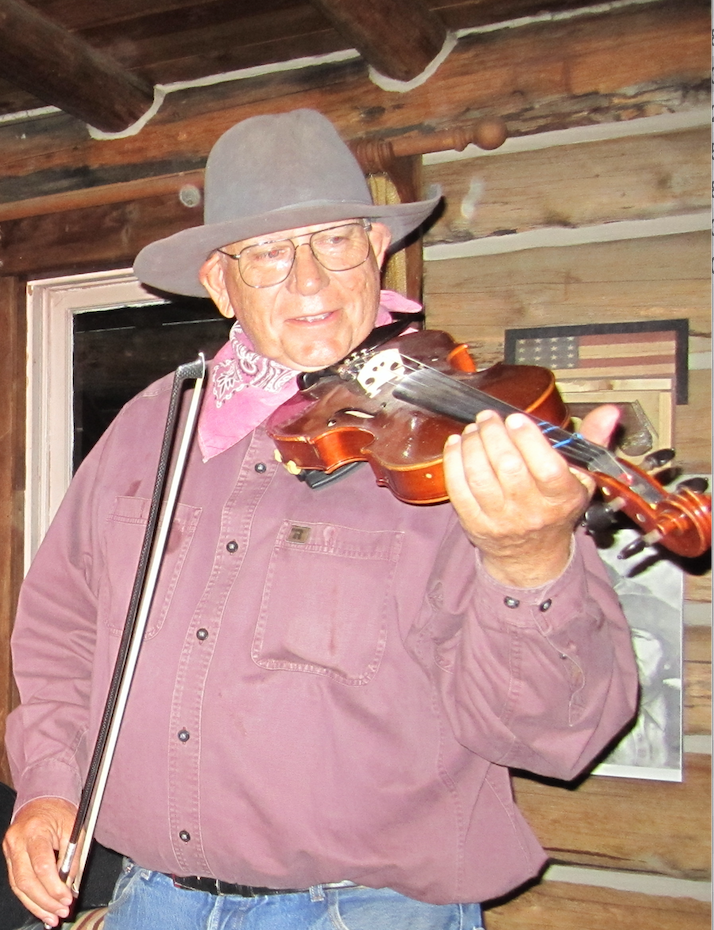
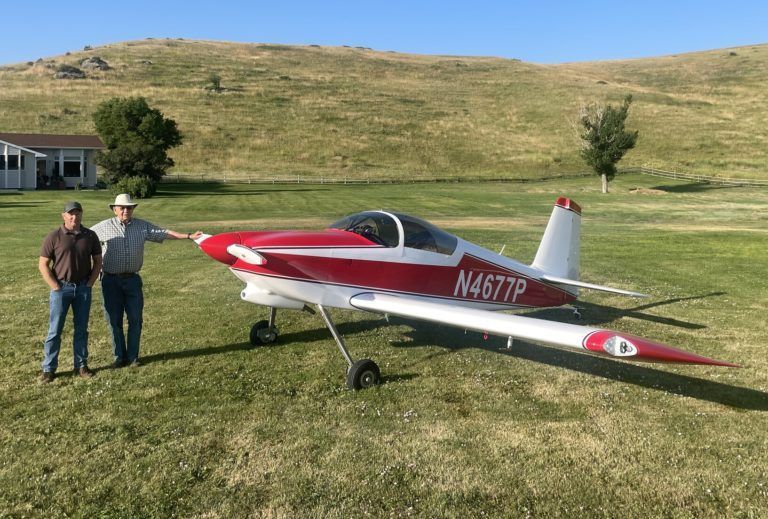
Dan found time to learn to play the fiddle, and enjoys bluegrass music. At the time of this writing, he and his son Ted are preparing to fly the RV-7 that they completed in his shop at home in Sand Coulee. Their youngest son’s family lives close by, and their daughter is fulfilling a Navy career, currently based in San Diego.

Engineering runs in Dan’s family, and Ted and his twin brother Tom surprised Dan with a custom fabricated kayak trailer that he uses in Montana and Arizona to enjoy river and lake fishing. Dan and Margie also find great sport plying the Arizona, California, and Nevada deserts on their side-by-side, basing out of Quartzsite, Arizona in the winter.


A founding director of the Recreational Aviation Foundation, Dan served on its board for ten years; eight years as Vice President. “The RAF is especially proud of Dan’s work throughout the approval and construction of Russian Flat airstrip in Montana’s Lewis and Clark National Forest,” RAF Chairman John McKenna said. 


“The RAF has always taken the ‘high road’ when dealing with policy makers. Our data is science based, and we approach issues in a kind and courteous manner,” Dan says. That approach had results, and in cooperation with the Montana Pilots Association, and the USFS District Ranger, the first new airstrip on U.S. Forest Service land in over forty years was opened for public use. Dan stayed on the task throughout seven years of meetings and two more years of construction, with all RAF and MPA volunteer labor. His efforts earned him an RAF Golden Pulaski Award, which honors exceptional volunteers for their hard work on behalf of the RAF.


“While working in Montana, we formed our mission and learned the right way to do things,” Dan says. The RAF then used those principles to advance its mission throughout the country. Early on, Dan was asked to accompany McKenna and other RAF volunteers to meet officially with federal lands managers in Washington, D.C. He met a half dozen times face-to-face with decision makers, always wearing the signature orange RAF shirt. On one of the trips, he and McKenna were invited to a formal Senate reception. McKenna looked at Dan in his orange shirt and jeans. 


“You packed a white shirt, tie, and jacket?” McKenna asked. 


Dan took a cab to the closest menswear store, took out his credit card and bought new black shoes, slacks, white shirt and sport jacket to be appropriately dressed. “I did buy an orange tie,” he quipped. His time and expense paid off. As a result of those meetings, the USFS Planning Rule now acknowledges the importance of recreational aviation.
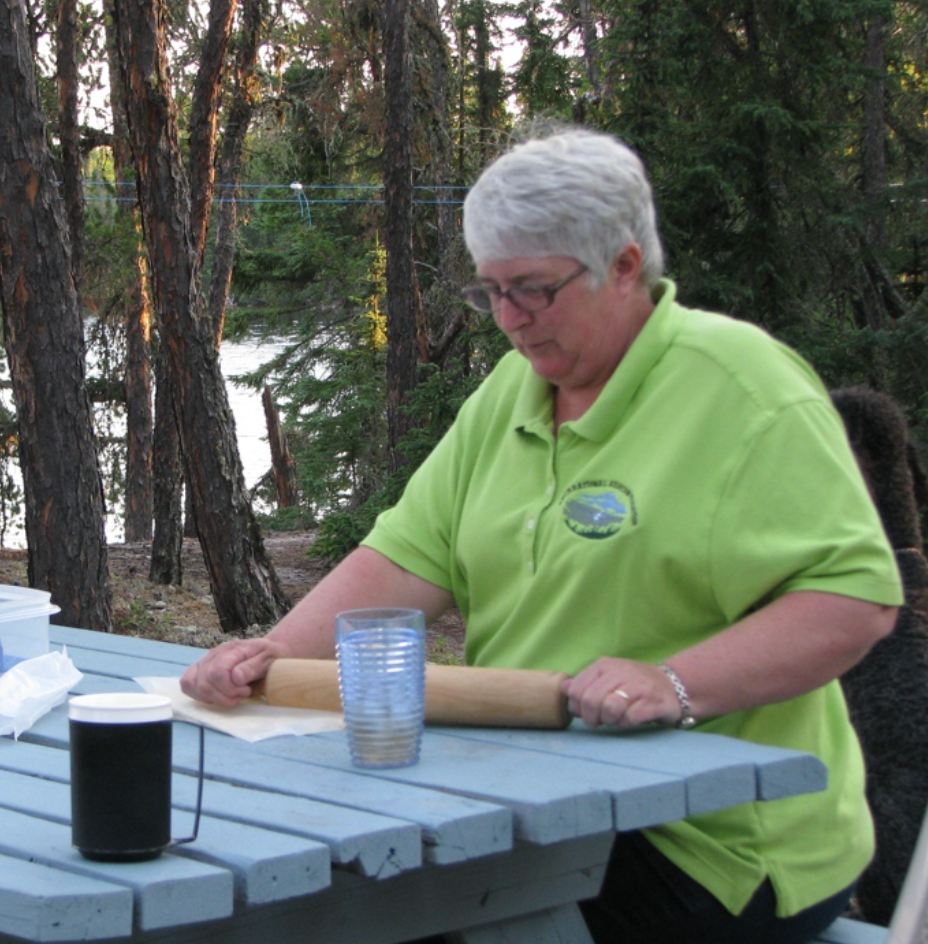
Margie is just as devoted to the RAF mission, and has helped staff many trade shows and events. She cooks, serves, and turns out sweet baked goods at fly-ins, cheerfully including KP duty, and keeps the kids entertained with games and activities. Margie also serves as an RAF VP of Appreciation and has hand-written over a thousand thank you cards – and counting. 
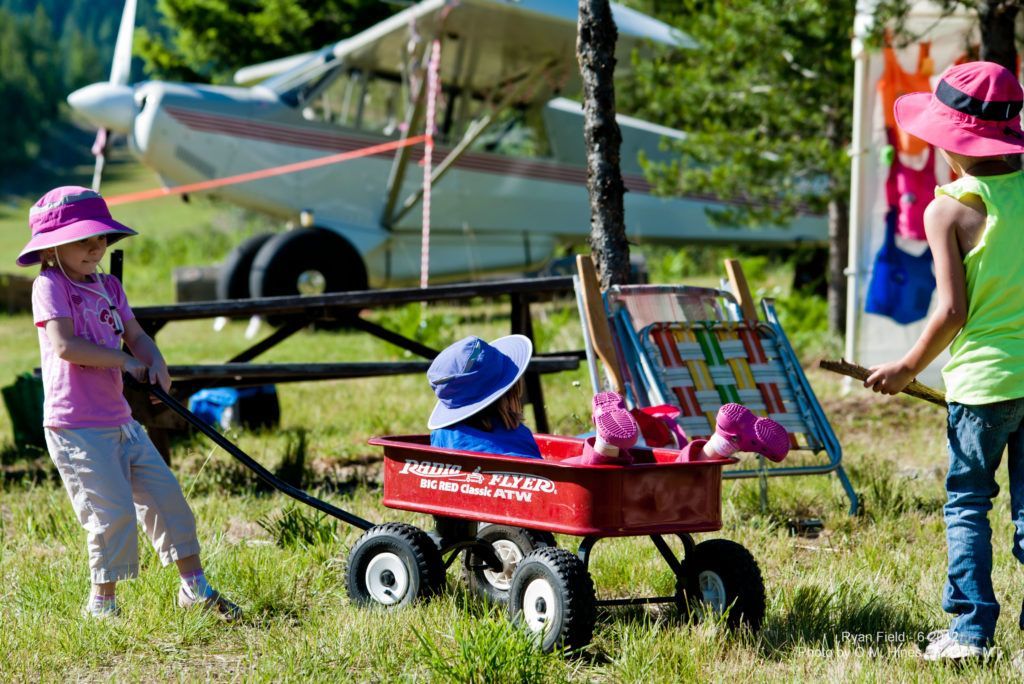
Prills have always included their family in their pursuit of recreational aviation, and both Ted and Tom are pilots. Tom and Dan helped roof the pilot shelter at Ryan Field. Dan and Margie have included their grandkids in aviation activities since they were tots, and the photogenic kids have appeared in many Ryan Field images. “We know how important it is to preserve this opportunity for future generations,” Margie says.

“Margie and I treasure the friendships we’ve made during our association with the RAF,” Dan says. As Director Emeritus, Dan still advocates for the RAF. He urges others to “support the organization by volunteering or donating, and enjoy the resources of recreational and backcountry airstrips. It’s why we do this. It’s why we learned to fly, so go enjoy them,” he adds.


Submitted July 14, 2023.


Recent Posts

April 14, 2026
RAF Wyoming Liaison Joe Feiler has tapped his passion for teaching and is applying an innovative approach to building a pilot's shelter or “ramada” at Lusk Airport in southeastern Wyoming. Feiler was awarded an RAF grant for materials for this planned 12 x 20-ft ponderosa timber-framed structure, and he has gathered a team of career and technical education teachers from all over Wyoming to collaborate on the structure, to be built of Wyoming-made materials. “While it would be relatively easy to gather a small group of pilots and construct a basic shelter in just a few days, the true value of this project lies in the collaboration and educational opportunities it creates,” Feiler said. The project begins with Casper College engineering students providing plans. The timbers will be milled at the Devils Tower Wood Products sawmill located in Hulett, WY. The University of Wyoming will host a timber framing workshop, offering graduate credit to career and technical education educators interested in expanding their knowledge of timber framing. Local pilot volunteers from the Lusk community will work alongside Career and Technical education teachers to construct the 12 x 24-ft concrete pad. The final phase of the project will be the erection of the ramada, completed by SkillsUSA middle school students for their community service project, which will be entered in the 2027 Wyoming State SkillsUSA contest. Gold medalists advance to the national competition. “It is noteworthy that these students earned a national gold medal in 2025 for a previous Lusk community service project,” Feiler pointed out. Each student participant will benefit from the practical experience in carpentry and woodworking, construction planning and safety, team-based project execution, and gain the skills aligned with Wyoming’s workforce needs. “By intentionally integrating education, industry, and community needs, this project becomes more than a pilots’ shelter—it becomes a hands-on learning environment and a showcase of high‑quality construction using locally sourced materials,” Feiler added. Learn more about Lusk by visiting the Airfield Guide . Submitted April 14, 2026
By Matt Foster April 14, 2026
By Matt Foster, RAF Director and Safety, Education, & Etiquette Committee Chairman
By Carmine Mowbray April 13, 2026
The RAF is proud to call the Arizona Pilots Association an early partner in its mission to preserve, improve, and create airstrips for recreational access. From GA advocacy at Falcon Field, a towered Class-D airport, to picking rocks and chopping brush at remote backcountry airstrips, APA volunteers selflessly work to fulfill their mission of “Promoting, Preserving, Protecting General Aviation in Arizona – Advocating the common interests of Arizona's general aviation community at the local and state level.” Since their founding in 1978, they’ve accomplished this by promoting aviation safety and pilot education, elevating public awareness of GA; preserving, and re-opening Arizona’s backcountry airstrips; broadcasting Arizona aviation news; and connecting Arizona pilots through aviation events. One of the RAF’s first state liaisons was APA then-vice president Mark Spencer. By 2012, Mark emerged as the ideal person to engage the US Forest Service in his vision to upgrade some of Arizona’s under-used and abandoned USFS airstrips. Mark formed a lasting “orange and green” alliance, with many successes to show for the partnership. The restoration of Double Circle Ranch airstrip, rehabilitating Grand Gulch in the Arizona Strip, and repaving and adding visitor amenities to Grapevine near Roosevelt Lake are just a few destinations that have new life and visitation to show for it. APA volunteers contribute labor and resources, and thanks in large part to these early efforts, the RAF executed a Cost Share agreement with the USFS to work on further improvements to airstrips in the Tonto National Forest and the Apache-Sitgreaves National Forest. APA volunteers' ongoing efforts continue to help facilitate airstrip improvements through the RAF's Cost Share agreements in Arizona. APA efforts include attention to all of Arizona’s public-access airports and the wide scope of GA flying. Pilots can find an impressive lineup of resources online, listing local safety seminars and backcountry airstrip safety briefings, maps, and videos. Pilots can win honors through APA’s Passport program – created with help from Embry-Riddle Aeronautical University students – that promotes pilot proficiency. You’ll find an event calendar, listings for scholarships for aspiring students pursuing careers in aviation, and more. Current President Chris Nugent said, "APA has volunteers from all over Arizona and other states who support Arizona aviation in many different ways, including people who have volunteered for decades and continue to participate even after they've stopped flying." Go to arizonapilots.org and tempt yourself with the flying opportunities that APA has fostered throughout the Grand Canyon State. Submitted April 13, 2026 By Carmine Mowbray Photo credit: Matt Haag, Grapevine Airstrip
April 13, 2026
RAF Oregon Liaison Richard Mayes reported that at the end of March, the RAF collaborated with the Oregon Department of Aviation (ODA) to complete improvements at McKenzie Bridge Airport (00S). The 2,600-ft turf airfield is located within the Deschutes National Forest. For the past ten years, RAF volunteers have assisted the ODA and US Forest Service to maintain and improve the airfield facilities for recreational use. Using a skid steer-mounted masticator, the brush that was adjacent to the airfield was removed to improve safety. A vibratory compactor, donated by RAF supporter Paul MacClanahan, was employed to compact and improve the runway surface. McKenzie Bridge is a popular destination in the Central Oregon Cascades. The airfield has a primitive camping area maintained by RAF volunteers. Just a short walk from the airfield is recreational access to the McKenzie River, and the popular McKenzie River mountain bike trail with over 20 miles of single-track hiking and biking through Douglas firs, with waterfalls and river views. Find more about this airstrip in the Airfield Guide. Submitted April 13, 2026
April 9, 2026
“The only people who can change something are the ones who really want to. And not everybody does.” When I read this, it took me back to the early days of the RAF. We saw a troubling trend taking place — the loss of airstrips across the country with no real organized voices to help put the brakes on the decline. And we really wanted to change that. Change demanded new ideas from us. Ideas that we assumed would initially be resisted. This defined our purpose. Good ideas come with the burden of effort and purpose. That separates those with a strong purpose from those without. We wanted to create an organization that would counteract the attrition of backcountry airstrips we saw taking place. We rolled up our sleeves and didn’t look back. Easy to say now that the RAF was lucky, but it was purpose that drove the organization in the early years; that really formed who we are today. A group of people with a purpose who knew we needed more people who thought like we did, and cared; people who took this idea called the RAF and added to it, keeping it unique but effective. We felt that most of the existing business models in the nonprofit space were not what we needed to be, and we pushed forward persistently with our thinking – thinking that required putting our own personal desires aside and pursuing ones that were for a greater good. You joined in. You, too, found purpose in the RAF and now look where we are. Nearly 15,000 of us are making the necessary sacrifices to make our voices heard, to create a better environment for the future of recreational aviation. We have more opportunities today because of you. Each one of us is important to continue the momentum we have gained. To determine what the RAF can do to further our mission to preserve, improve, and create airstrips for recreational access. To prioritize the many opportunities coming our way. It is about us, and what we are going to do with the time we have left on this earth. This organization will hopefully give you purpose now and in the future. Most importantly, I really hope it will give you as much sense of accomplishment as it has me. Thank you for what you continue to do. - John McKenna, RAF Chairman Submitted April 15, 2026