JEFF DEFREEST

Alaska State Liaison

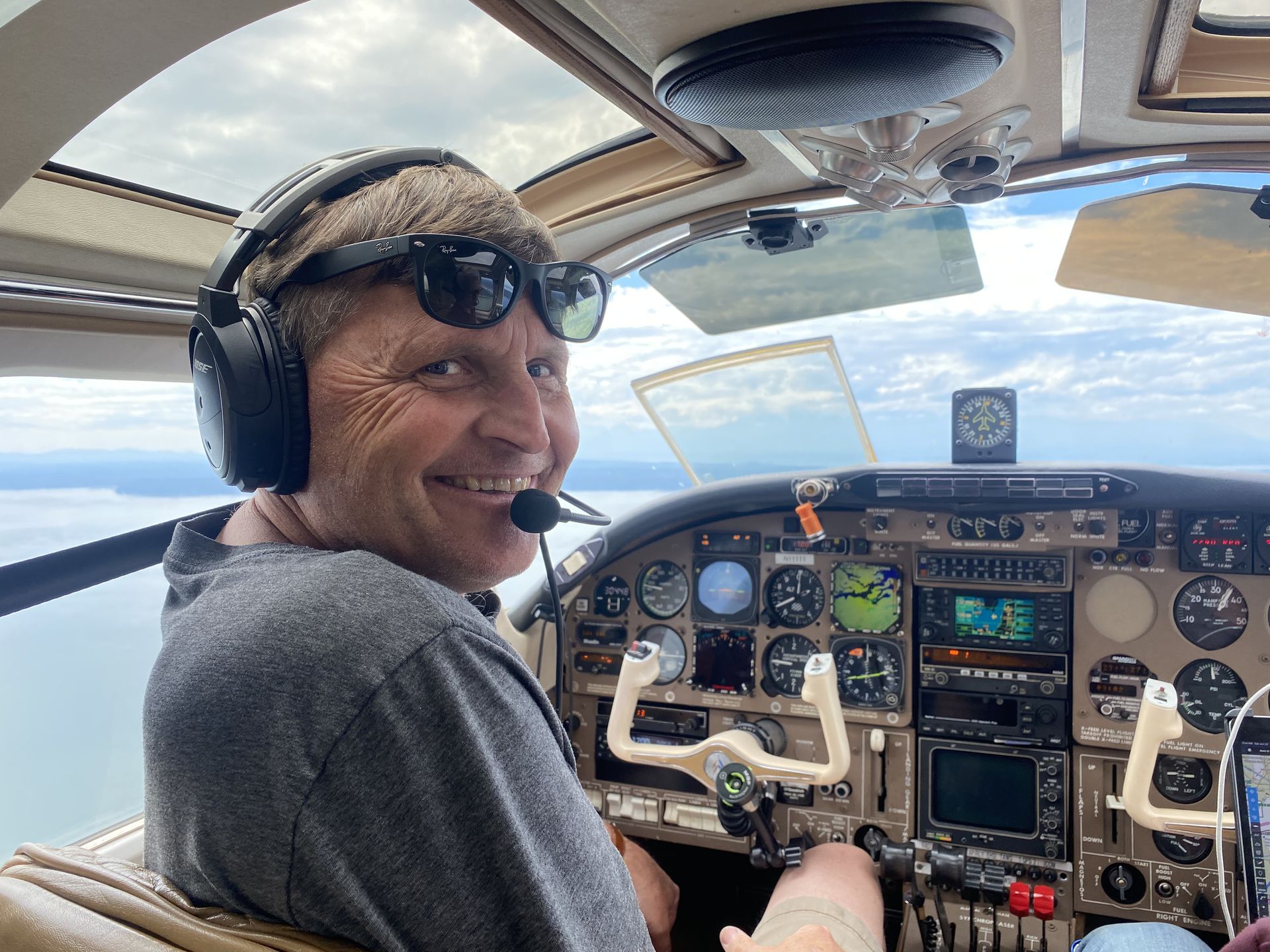
Jeff DeFreest started flying early in life – logging his first hours in 1972 – but his flight training stalled until he was well into his career as a professional geologist with the US Forest Service (USFS). He worked in Idaho, Oregon, and Utah before transitioning to Alaska in 2001. 


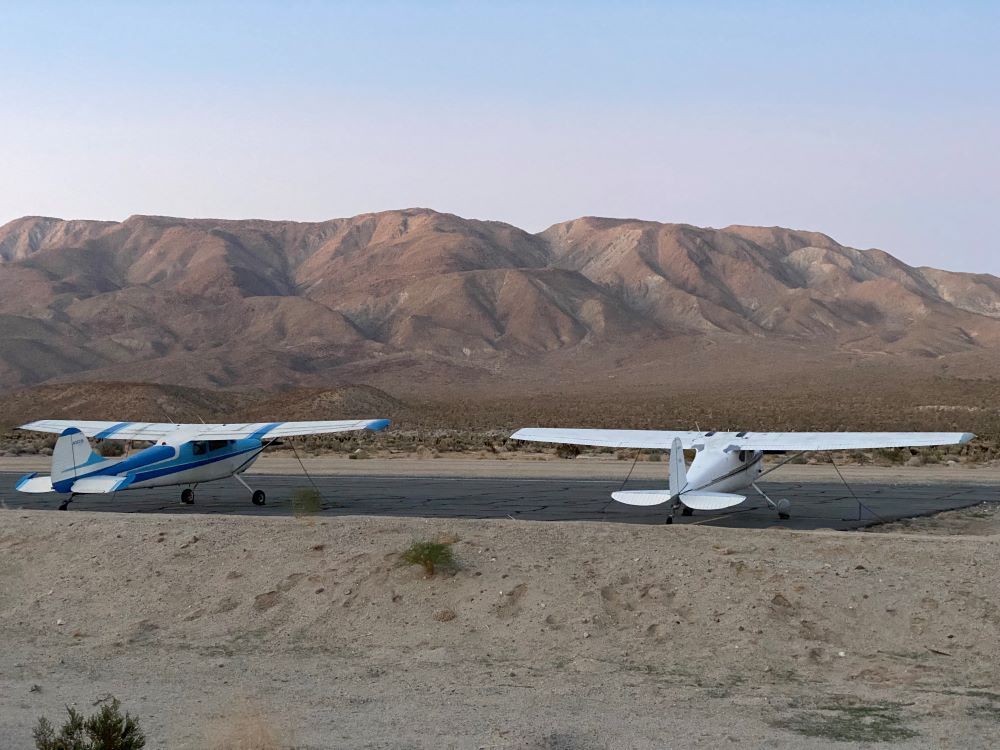
Before moving to Alaska, he had restarted his flight training and got an introduction to backcountry flying in the San Rafael Desert in Utah. He flew SuperCubs in Arizona on weekends, while studying to become a certified minerals examiner for the USFS. He earned his private pilot certificate in Alaska on the 99th anniversary of powered flight on December 17, 2002. 

Jeff DeFreest started flying early in life – logging his first hours in 1972 – but his flight training stalled until he was well into his career as a professional geologist with the US Forest Service (USFS). He worked in Idaho, Oregon, and Utah before transitioning to Alaska in 2001. 

Before moving to Alaska, he had restarted his flight training and got an introduction to backcountry flying in the San Rafael Desert in Utah. He flew SuperCubs in Arizona on weekends, while studying to become a certified minerals examiner for the USFS. He earned his private pilot certificate in Alaska on the 99 th  anniversary of powered flight on December 17, 2002. 

Jeff earned his Single Engine Seaplane rating at Kenmore Air near Seattle, then trained in Oregon to fly in actual IMC conditions, then both Comm SES and SEL in Alaska flying Beavers, and earned his Comm MEL in Arizona, all while serving in various capacities with the USFS.

Jeff’s first airplane was a Cessna 170B on floats, which he put on wheels to engage in year-around flying in SE Alaska. He started visiting logging camp airstrips, river delta and gravel bar strips while on conventional gear, and accessing USFS lake cabins on floats. 

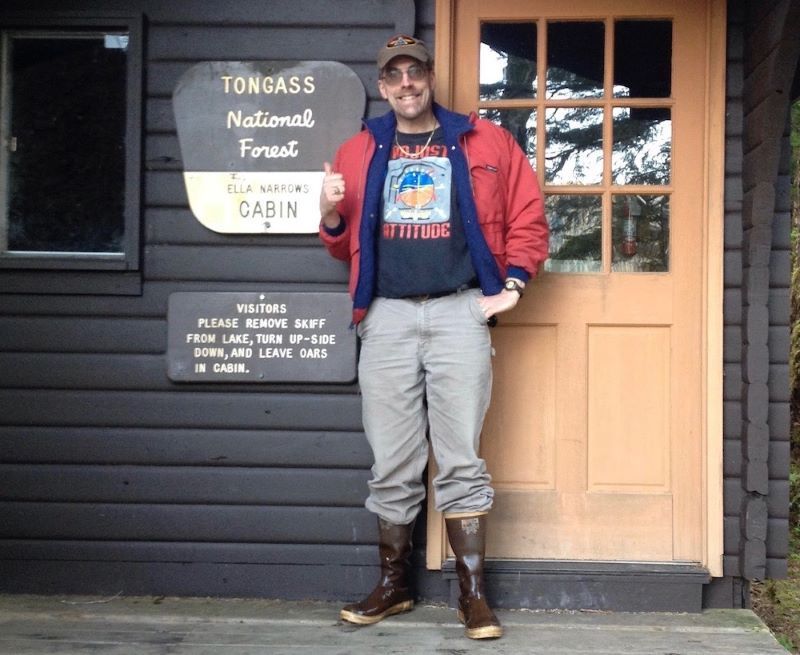
From 2010-2017, he served as District Ranger for the 3.3 million acre Ketchikan-Misty Fiords Ranger District on the Tongass National Forest. This district is made up of about two-thirds National Monument and Wilderness and one third multiple use Forest Service lands. 

In Ketchikan Jeff met Kari, his wife to be. They invested in a Skywagon on floats for their first anniversary to visit the many USFS lake cabins in the panhandle of SE Alaska. In 2017 Jeff was offered the position of USFS Alaska Regional Geologist and the couple moved to Juneau. He also had collateral duties working in the lands program, and for the fire aviation program with single engine air tankers. Jeff conducted rifle training for federal employees, and also assisted with ANILCA (Alaska National Interest Lands Conservation Act of 1980) training for federal, state, and native corporation employees, as well as tribal members. Jeff retired in November of 2020 but continues to serve on the ANILCA training cadre, works part time on-call for the fire aviation program, helps Alaska youth in Hunter Education, and was appointed to the Alaska Minerals Commission. 

Kari and Jeff are passionate about the USFS cabins on the many amazing lakes in SE Alaska and spend much of their free time lake-hopping with their Skywagon and advocating for the USFS to keep those fly-in cabins available to the public.

jdefreest@theraf.org
907-321-9800


Recent Posts

By lellington April 3, 2026
Call To Action Volunteer
March 30, 2026
As you're planning your 2026 flying adventures, remember to review safety briefings for the airstrips you plan to visit. The RAF strongly recommends you review safety briefings and print a copy to have in your airplane - it's even required to fly into some airfields, like Ryan Field (2MT1). For those airfields, pilots flying in are required to review the briefing on an annual basis, and now is the perfect time to catch up on any changes to the runway/area that happened throughout the winter. You can find safety briefings on the RAF Airfield Guide . If an airfield in the Airfield Guide has a required briefing, the airfield listing will clearly indicate it and have a tab to view the briefing. Submitted March 30, 2026 Photo By Jim Stevenson
March 30, 2026
RAF Texas volunteers and Ranger Airfield Foundation volunteers helped begin restoration of the historic 1928 Ranger Airfield hangar on March 28. “A Wright biplane landed here at the field in 1911, and people have been using it ever since,” Ranger Airfield Foundation Founder Jared Calvert said. He noted that Amelia Earhart landed there in a Pitcairn Auto Gyro. Richard Bach, Pancho Barnes, and General Patton also landed at the field. It’s the oldest continuously used turf field in Texas. 
By Carmine Mowbray March 30, 2026
For adventurers seeking access to the Gila Wilderness, we suggest landing at Sacaton Airstrip, NM16, near Buckhorn, New Mexico. The runway lies on a “finger mesa,” and the Rain Creek trailhead lies just northeast of the field. Thanks to RAF New Mexico Liaison Ron Keller's coordination with the USFS using a Cost Share Agreement, Keller was able to organize RAF and New Mexico Pilot Association (NMPA) volunteers to rehabilitate and reopen the long-abandoned airstrip in 2022. Beyond reopening the airstrip, Keller added camping amenities, including picnic tables and a new vault toilet. Most recently, Keller oversaw the installation of new shade structures, most welcoming to campers and hikers. RAF and NMPA volunteers complete ongoing maintenance at Sacaton and other airfields in the Gila National Forest. You’ll see white-painted rocks along Sacaton’s 3,989-ft dirt runway, and surrounding the segmented circle near the RAF windsock. The airstrip lies at 6,200-ft elevation, so pilots should be mindful of density altitude while flying over high terrain in the vicinity, even in winter temperatures.  “Anglers will enjoy plying streams for the rare native copper-colored Gila trout, once a threatened species,” Keller reports. The mile-and-a-half trail to the crossing at Rain Creek is narrow and challenging and traverses a variety of terrain, but the serious hiker will be rewarded trekking through steep canyon walls lined with green alder, willow, and boxelder, hoodoos, and eagle aeries above. There are rumors of a double waterfall some distance on the west fork of Rain Creek trail. See the Sacaton page in the Airfield Guide for more details. Note that the airstrip may be unusable due to snow or after heavy rains. This runway should be considered one-way in/one-way out to avoid overflying the Wilderness boundary. There is a 4.6% upslope to the East, favoring landing Runway 08 with right traffic, remaining clear of the Wilderness east and north of the airfield. Please consider others seeking a Wilderness experience. Prior to landing at Sacaton, permission is required by calling the USFS Gila Dispatch center at 800-538-1644. Please familiarize yourself with Sacaton in the Airfield Guide and the New Mexico Pilots Association Safety Briefing . Submitted March 30, 2025 By Carmine Mowbray
By lellington March 29, 2026