Not sure about you, but I likely have been both. As a recent blog post suggested, not smart is a passive act, remedied with learning, experience, and thought; while stupid is active – the result of someone who should have or could have known better, but decided to do something selfish, impulsive, or dangerous anyway.
“NOT SMART” VS “STUPID”
As an organization we have concluded it is a good thing to lean in on the idea of safety and etiquette in the world of backcountry flying. Since we are in the middle of our busier summer flying season, this subject might be worth a little space.
The RAF has two pretty simple reasons for our attention to the subject.
We want to continue to see you out there in the backcountry with friends and fellow aviators enjoying this special way to see the world.
We want to make sure we do our best to be good stewards so as to attract more people to what we do, and less who want us to go away.
Aviation is unique in that the penalty for being stupid is pretty high. As a friend of mine said, “Airplanes are just not built to crash.” So we need to think about and learn from the not smart things we have done, and not sink to the stupid things we know better than to do.
The RAF has assembled a team of folks, both within the RAF as well as friends associated with the RAF to tell the safety and etiquette story as best we can. We surely don’t know it all, and would like to think of our community as best in class when it comes to willingness to learn.
With that in mind I am going to ask that you help us out. For sure, we want you to get out in the backcountry. After all, the reason we exist is to protect the ability to access and enjoy these special places. So here is what I would like you to do for me. Please leave a comment on this story with your best or favorite tip that pertains to backcountry safety and or etiquette. I am betting we will learn some things from each of you. If we might already know it, well, it won’t hurt to be reminded.
And last but not least, if you see something either not smart or worse yet – stupid…say something. The best way for us to be a better community is to talk to one another. Do your best to be both constructive and positive. No better way to promote safety and etiquette.
Looking forward to seeing you out flying.
– John McKenna, RAF Chairman
Submitted July 15, 2025
Posted in Uncategorized
Recent Posts
Our many RAF supporters have such vast and varied experience, and we’re capturing some of their words of wisdom to share with you. This guest editorial is by Cindy Cross, RAF VP of Appreciation.
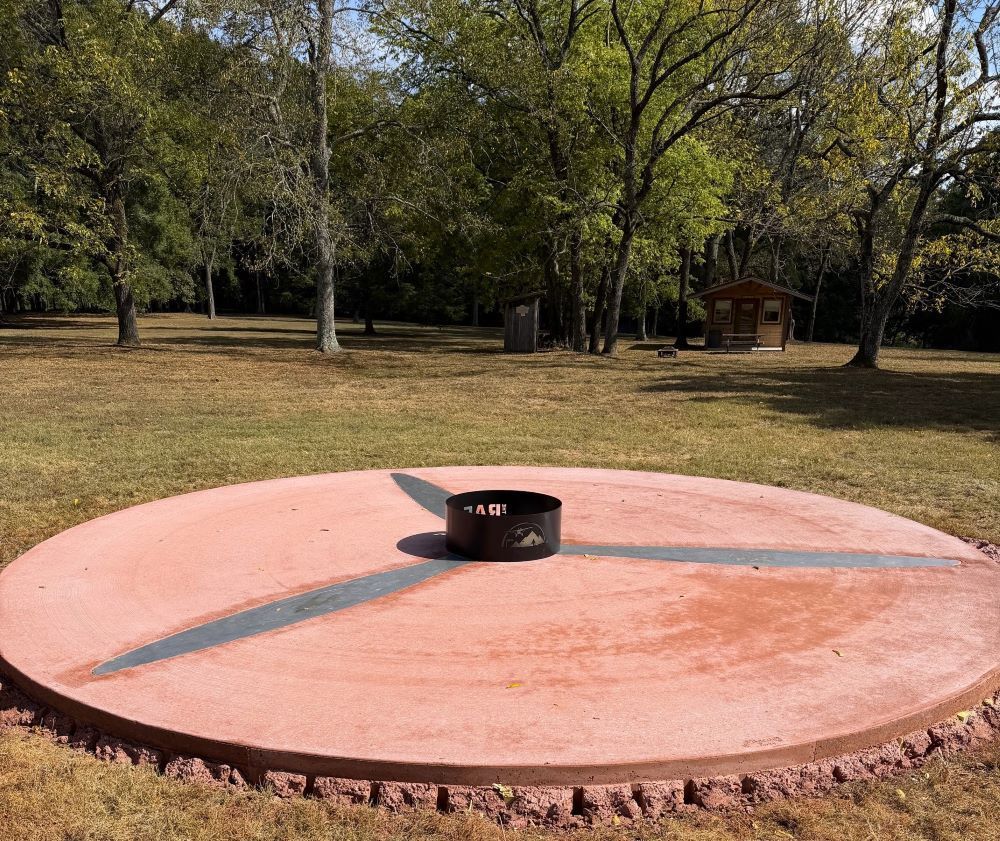
The Beechcraft Heritage Museum at Tullahoma Regional Airport is the site of a new RAF Fire Hub, provided by an RAF grant submitted by Tennessee Ambassador Steve Lewis. The Parish family, who own the Beechcraft Museum, along with other RAF volunteers, contributed to the preparation and installation of the fire hub. They completed the project in time for folks to enjoy it during the annual Beech Party event over the October 10-11 weekend. The 20-foot diameter permanent concrete base was provided by a private donor. The fire ring and three 10-foot-long propeller blades were designed and fabricated by RAF Volunteer Pete Smith of Lewistown, Montana, with design assistance from Pete's son Matt Smith of Bozeman, Montana. The structure lies east of the 2,775-ft turf Parish Aerodrome runway adjacent to the Beechcraft Heritage Museum. “This permanent installation will showcase the RAF mission as the Museum draws visitors from around the country,” Lewis said. For more information on the airport, see the Airfield Guide . Submitted October 21, 2026
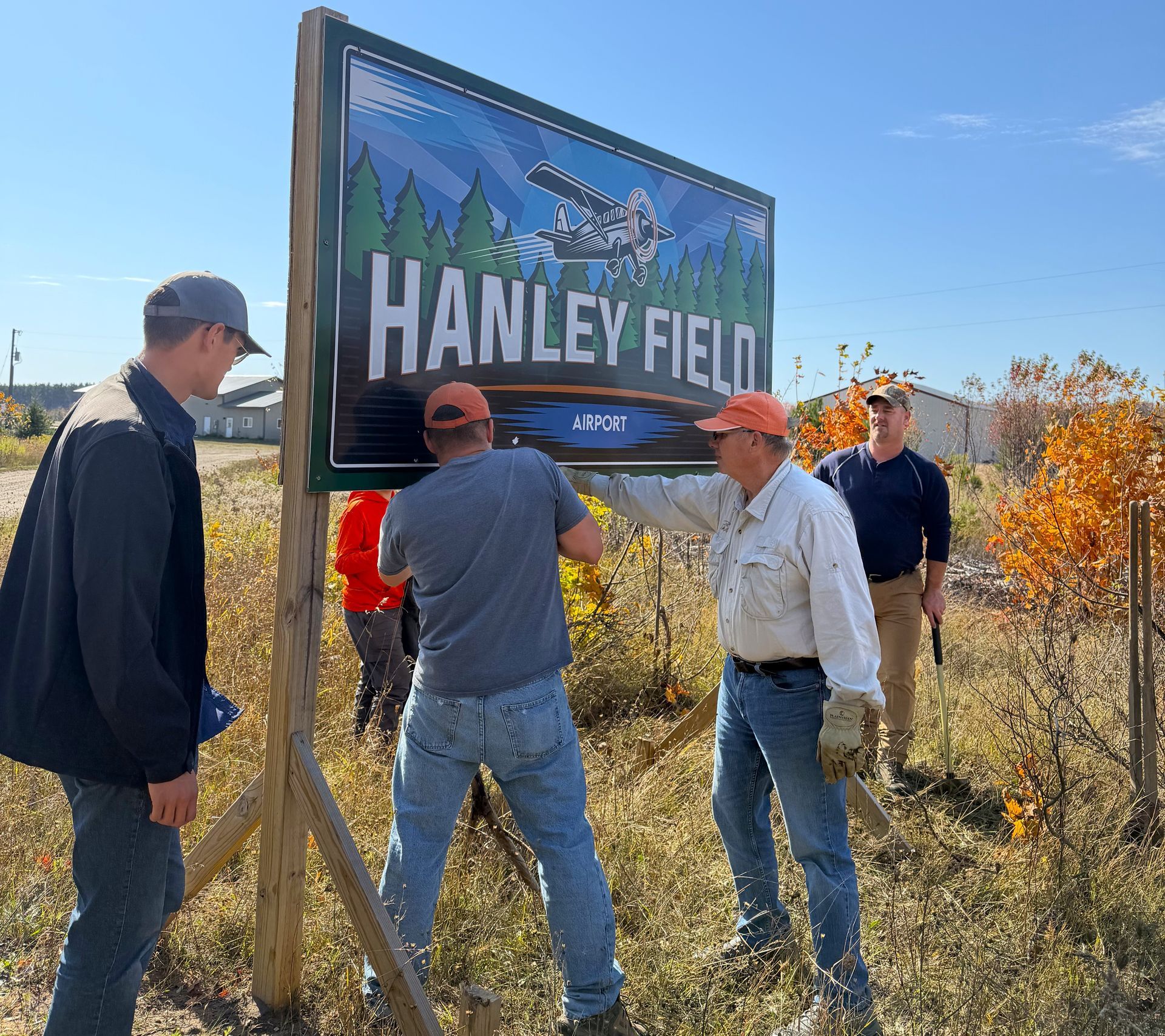
Michigan RAF volunteers had a very successful work party at Hanley Field (5Y7) in Michigan’s Upper Peninsula the October 10-11 weekend. Led by Michigan Ambassador Ryan Minnick, the crew, including Michigan Liaison Tanmoy Ganguly, cut and stacked firewood, repaired the sink and water heater, and relocated the airport sign along the road for better visibility. “We had a great weekend and got a good amount of work done. It was great connecting with supporters from the area,” Minnick said. “The assistant airport manager was there and was very happy with the results that came out of the work party.” Fourteen remained to camp Saturday night. Find more about Hanley Field in the Airfield Guide . Submitted October 21, 2026