RAF AND TEXAS STATE PARKS SIGN COLLABORATIVE AGREEMENT
The RAF is excited about a new partnership regarding airstrips in Texas State Parks. A formal agreement was signed between the Texas Parks and Wildlife Department, (TPWD) and the Recreational Aviation Foundation on March 18, 2022.

“This is far more than an agreement to provide volunteers and RAF grant money for projects in Texas,” RAF Chairman John McKenna said. “The State of Texas is looking to the RAF for expertise and guidance on managing aviation assets in their parks while identifying new opportunities to provide additional recreational access.” RAF Texas Liaison Tres Clinton worked closely with Texas State Representative and RAF member John Cyrier on this MOU. Rep. Cyrier said, “After our accomplishments in the legislative session, we believed this was the right next step to formalize the partnership between the RAF and TPWD.” 

The agreement also authorizes the RAF to assist TPWD in “planning future recreation aviation opportunities by proposing areas and airstrips to be utilized for recreational aviation access and purposes.”

TPWD will collaborate with the RAF when opportunities arise for participation in public planning, implementation, and evaluation of land, water, and waterways for projects designed to enhance aviation access to state parks.

Reflecting the RAF Code of Ethics, the document states, “Each pilot is an ambassador to the non-flying public.” Pilots are expected to act with courtesy for those on the ground by maintaining reasonable distance and altitude and avoiding low level flights, unsafe operation, and excessive noise.

While signing the document, McKenna said, “This is an exciting day for all and hopefully the beginning of a long-term relationship that all will find beneficial.” Rep. Cyrier added, “Both of these groups are top notch. What a great accomplishment for both.”

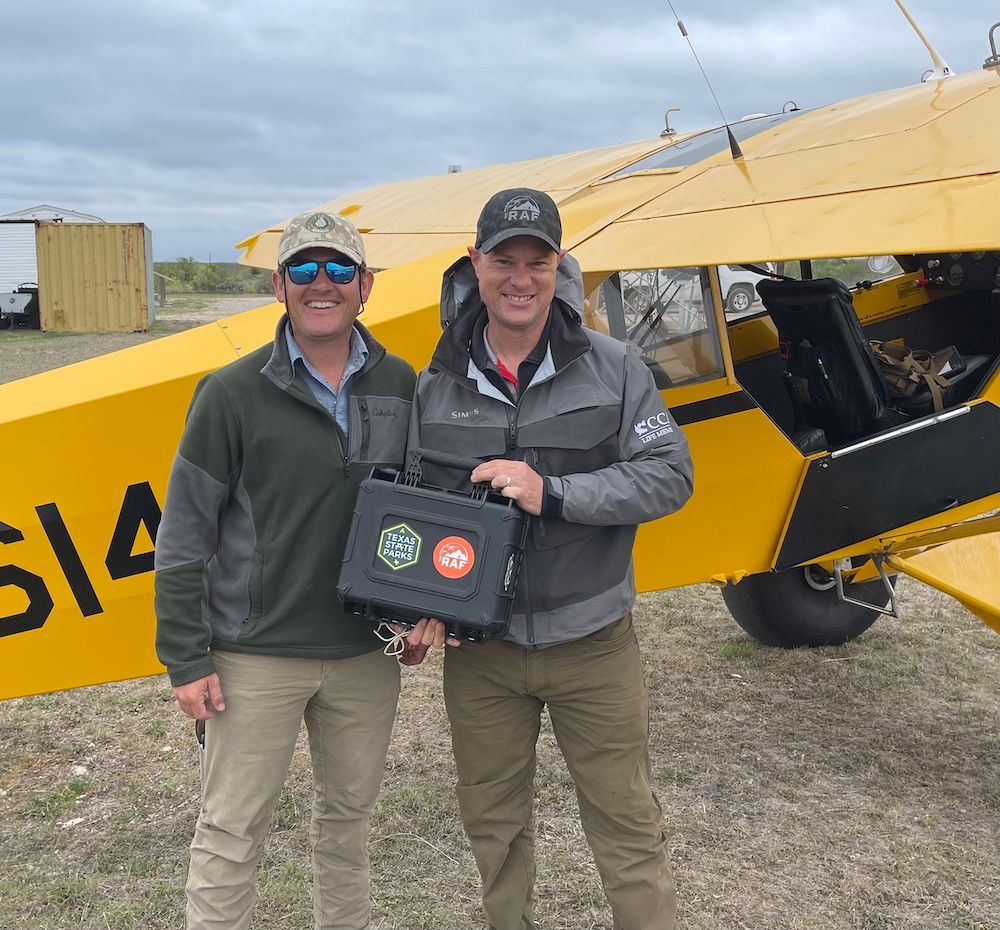
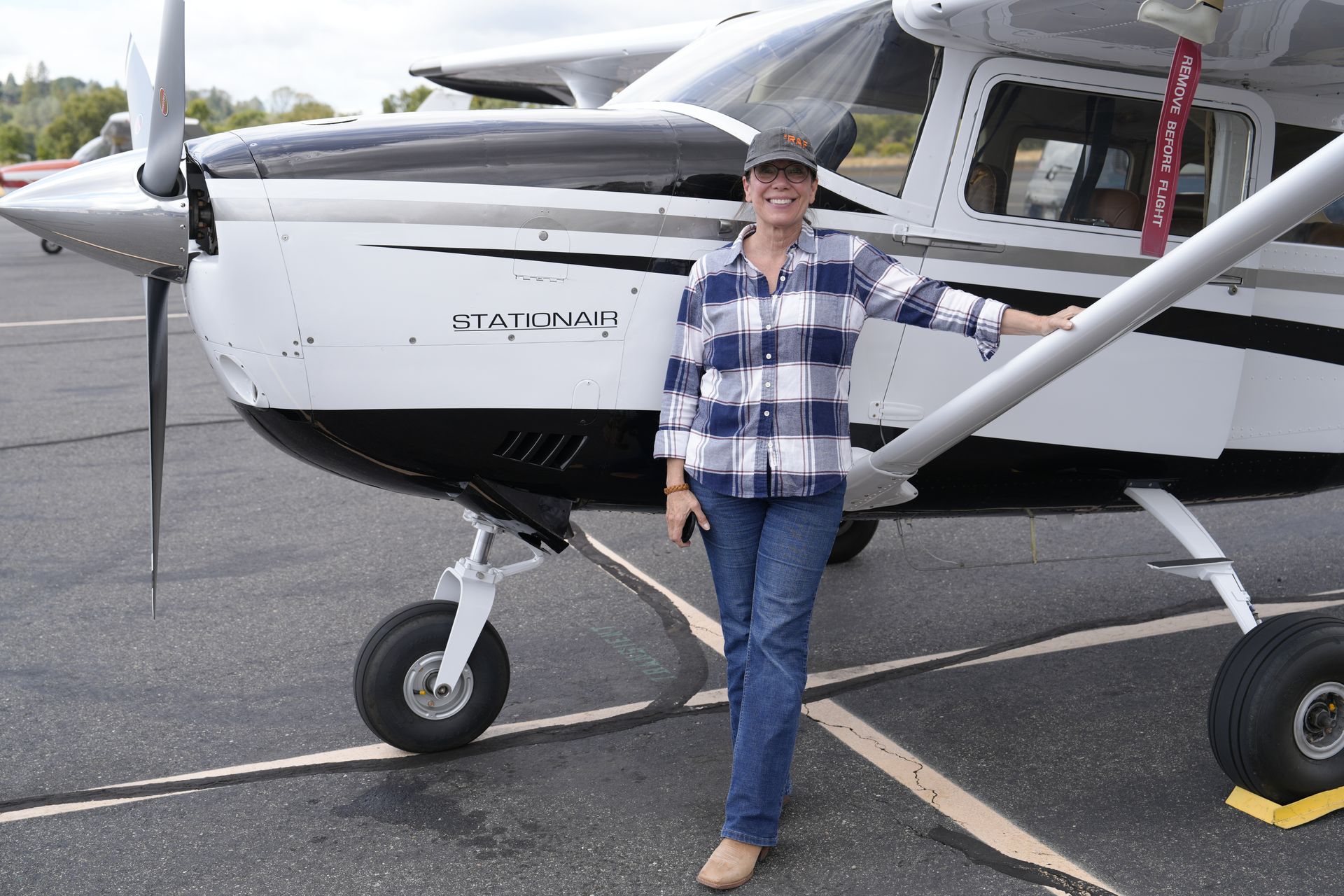
Photo: Tres Clinton left and John Cyrier in front of Tres’s Super Cub showing the symbolic stickers of Texas Parks and Wildlife and the RAF.

Submitted on March 31, 2022.


Posted in News

Recent Posts
By lellington March 29, 2026
March 25, 2026
Many people are familiar with Qualified Charitable Distributions (QCDs), which allow IRA dollars to go directly to charity tax-free — but QCDs are only available starting at age 70 1⁄2. If you’re between the ages of 59 1⁄2 and 70 1⁄2 and charitably inclined, there are still several effective ways to use IRA dollars strategically. Why Plan Charitable Giving from an IRA? Strategic Planning can help: Offset taxable income Reduce long-term RMD exposure Improve tax efficiency for heirs Align giving with long-term legacy goals Strategies to Plan Charitable Giving from an IRA IRA Distribution + Charitable Deduction: Take a taxable IRA withdrawal and make a charitable gift. If you itemize, the deduction may offset some or all of the taxable income. Best for clients who already itemize and have large charitable intent. Donor-Advised Fund (DAF): Take a larger IRA distribution in one year and contribute it to a Donor-Advised Fund. This allows you to bunch deductions into one tax year while distributing to charities over time. Best for higher-income earners and tax planning years. Roth Conversion + Charitable Offset: Convert IRA dollars to Roth and use charitable deductions to offset some of the taxable income. This may reduce future RMDs and create tax-free growth. Best during early retirement or lower tax bracket years. Best for larger IRA balances and legacy-focused planning. Charitable Remainder Trust (CRT): Use IRA distributions to fund a trust that provides income to you for life, offers an immediate charitable deduction, and leaves the remainder to charity. Leave IRA to Charity at Death: IRA assets are taxable to heirs but not to charities. Naming a charity as an IRA beneficiary can be one of the most tax-efficient estate planning strategies. Side-by-Side Strategy Comparison:
By Carmine Mowbray March 24, 2026
Pamela Cox is a designer. Professionally, she practiced architecture for a boutique firm in Dallas that was known for its roster of award-winning projects like libraries, the Dallas Zoo Veterinary Hospital, the Visitors Center at the Dallas Arboretum, and an array of beautiful private residences. She retired from that architectural firm and continued designing upscale Texas ranch homes. Now Pamela and her husband John live on, and manage the ranch that John’s great aunt and uncle homesteaded in west Texas in 1907. When the current generation expressed no interest in the ranch, John and Pamela bought them out. They run cattle, “and lots of wildlife. John has tamed anything with a heart,” she says. Pamela was raised in Indiana, where farm animals need little space to graze the abundant forage. But on their Texas spread, their nearest neighbor is five miles away. John flies their Cessna 185 off their grass strip, and as is not uncommon in Texas, uses it to keep an aerial eye on fences, water sources, and their widely dispersed herd. Like the Old West, cowboys come in to help John round up, brand, and work the cattle seasonally. John has always loved flying in the mountains. The wedding gift he gave Pamela was a custom fly rod and one week of fly fishing instruction in Livingston, Montana; then a week of plying her new skills in Idaho’s Frank Church River of No Return Wilderness. “That’s where we spent our honeymoon,” Pamela says. They’ve enjoyed fishing as far away as Argentina, and many flying adventures throughout the US for the last 33 years, adding campouts in Idaho’s Wilderness airstrips, Montana, and Alaska. Developing DawgMuffs “I never even knew I loved dogs until John and I got our our first one thirty-three years ago, and twelve more have followed,” Pamela explains. They were heartbroken to learn that their beloved dogs had become deaf from flying with them. “We used ear protection on them, but did not realize our dogs were going deaf until it was too late,” she says. John encouraged her to put her creativity toward a better solution. “I’m a designer at heart,” Pamela says, “If I’m not designing houses, I’m designing these,” she adds. She began researching the physiology of canine hearing and built her own digital sound chamber. She experimented with different materials, each with unique sound-suppressing characteristics. She then reached out to the Veterinary College at Purdue University to help obtain empirical data. The results were earth-shattering, as her prototype demonstrated a solid 70db reduction in noise. During testing, a behavioral veterinary doctor commented on the additional benefit that the cap acts like a therapeutic weighted blanket, and can ease a pet’s anxiety while cutting the noise. Test results were received by an appreciative audience at the American College of Veterinary Internal Medicine Forum in June of 2025. “Then I worked on designs that would fit and stay on the dog,” she said, leading to a study of the varied shapes of dogs’ heads and ears, so unlike a human head. “My aim was that the cap was comfortable enough for the dog to sleep while wearing it.” The result is her patented two-strap design that prevents slipping or removal. After the laborious patent process, Pamela needed to find the right domestic manufacturer. She was delighted to find an innovative “mom and pop” sewing shop in Wichita Falls, Texas, that was willing to gear up for production. DawgMuffs have now come to market – with a growing number of satisfied customers – and the RAF Outfitter is proud to offer them. The DawgMuff website really sums up Pamela’s goal: “Elevating pet comfort through thoughtfully crafted hearing protection that fosters serenity and joy for dogs.” See the RAF Outfitter to order yours! Submitted March 24, 2026 By Carmine Mowbray