“This area offers fantastic recreational opportunities such as boating, swimming, kayaking, hiking, hunting, trapping, and fishing,” according to Russell. See www.exploremunising.com for more information on area amenities.
RAF TO IMPROVE AIRFIELD NEAR NPS LAKESHORE
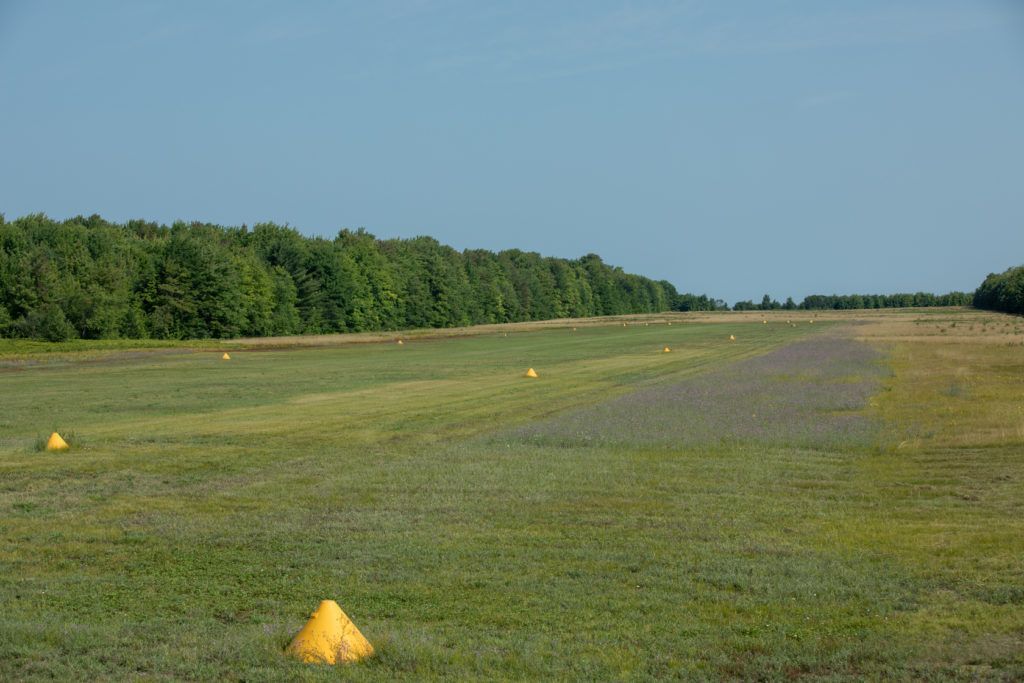
“This airfield is a diamond in the rough,” RAF Michigan Liaison General Grant said, referring to Hanley Field, 5Y7. It’s located three miles southeast of Munising, MI, which is on the shores of Lake Superior adjacent to the National Park Service Pictured Rocks National Lakeshore. He and RAF Director Jeff Russell recognized this, and began imagining what was needed to attract visitors. “Hanley Field has very high recreational value due to its natural beauty, and its proximity to the National Lakeshore,” Grant said.
He and Russell gathered support from the airport manager, local aviators, the Marquette EAA Chapter, and the Alger County Commission Chairman and drew up plans to add visitor amenities to an existing county building. A financial commitment from the RAF will help fund a restroom, shower, kitchenette, and space to accommodate storage and charging of electric bicycles so visitors can tour the town and access the Lakeshore. “Electric bikes will provide an efficient means of traveling the ‘last mile’,” Russell said. Visitors can explore on their own or take a commercial tour to enjoy sand dunes and deep forests, or spectacular views of sandstone cliffs and formations, caves, and waterfalls tumbling into the turquoise freshwater of Lake Superior.

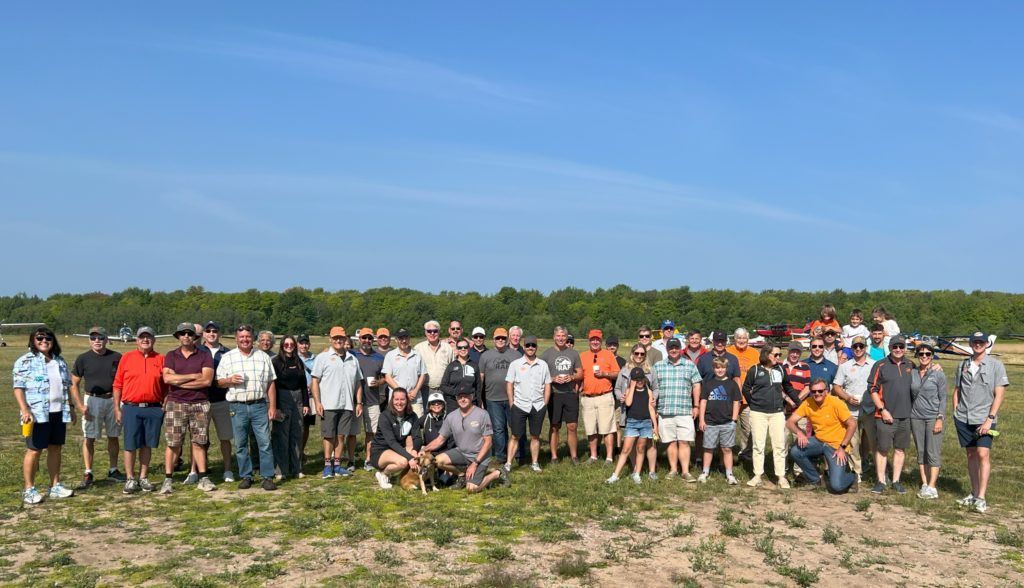
The RAF’s commitment to Hanley Field was announced on the field during an RAF anniversary commemoration attended by local pilots, community officials, the National Park Service Officials, and RAF supporters.
To donate to this project as it moves forward, click here, or you may send a check donation to the RAF at 1711 W. College St., Bozeman, MT 59715. Please indicate the donation is for Hanley Field in the online donation notes, or in the check memo.
By Carmine Mowbray
Submitted on August 31, 2023.
Posted in News
Recent Posts
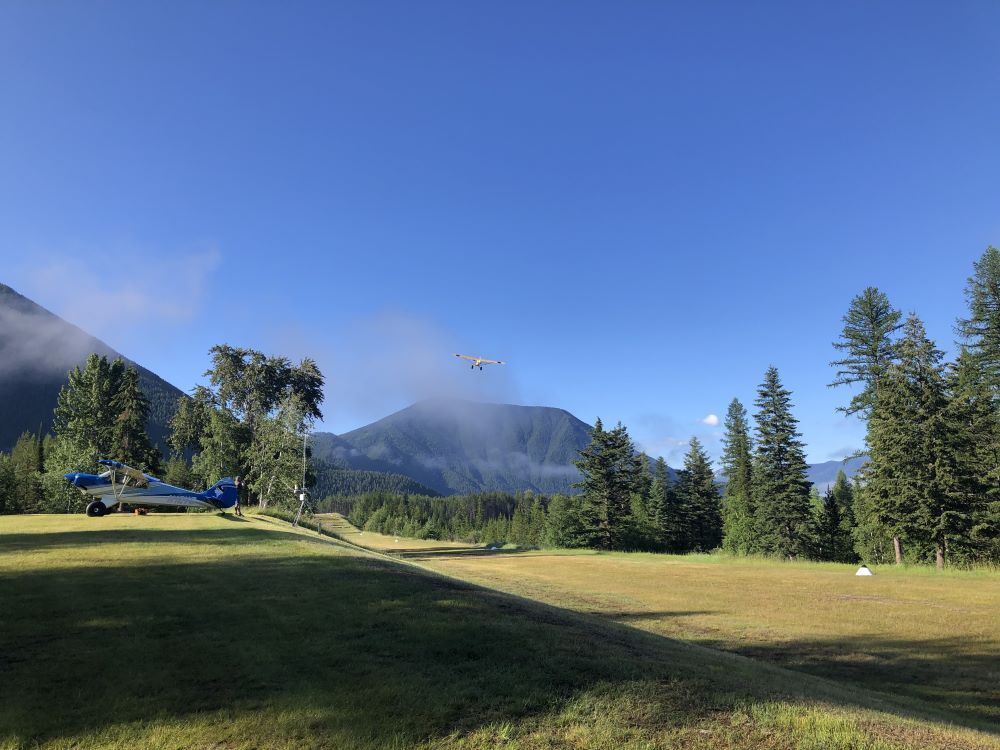
Ryan Field, 2MT1, remains CLOSED temporarily. In October, the runway was closed to begin restoring bare areas with new soil and grass. After the Montana winter and spring seasons, the new grass is coming in nicely; however, the field will remain closed until the turf has had adequate time to fully establish. We will keep you updated, but as of June 1, 2026, Ryan Field remains CLOSED to operations. Submitted May 28, 2026
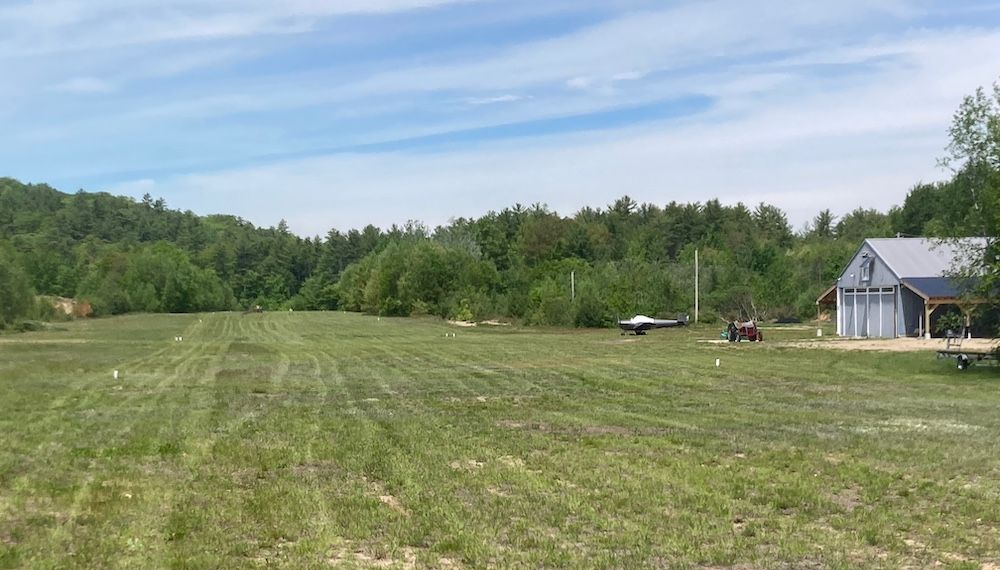
RAF Massachusetts/Rhode Island Liaison Andrew Lyons has been awarded an RAF grant for the addition of a rustic camper cabin at Nadeau’s Airfield in Acton, ME. The 2,400-ft turf field (02ME) is owned by longtime RAF volunteer John Nadeau, who now serves as one of the RAF's Recreational Use Statute Liaisons. Nadeau welcomes visitors to experience backcountry flying not far from the populated eastern seaboard, and envisions the airfield as a gathering spot for RAF enthusiasts in the region. Not far to the west are clusters of New Hampshire’s mountains, and coastal flying opportunities to the east. “The airfield is well located to serve as a hub for exploring much of what New England has to offer,” Lyons said. There is a small pond on the airfield for visitors to try a bit of fishing. The camping area plan includes the installation of a pre-cut kit cabin manufactured locally in New England, with the addition of sleeping platforms and an RAF fire ring. The cabin will serve as a comfortable shelter, and tools and other items will be stored in the unit as well. Pilots are welcome to camp underwing at 02ME. “We anticipate no shortage of volunteers for this project,” Lyons said. A team will pick the cabin kit up from the manufacturer in Vermont to save shipping costs. Lyons expects the cabin will be completed in early summer 2026. Currently, there is a port-a-john, and future plans include the addition of a plumbed restroom and shower at the field. Find more about Nadeau’s Field in the Airfield Guide . Submitted May 27, 2026
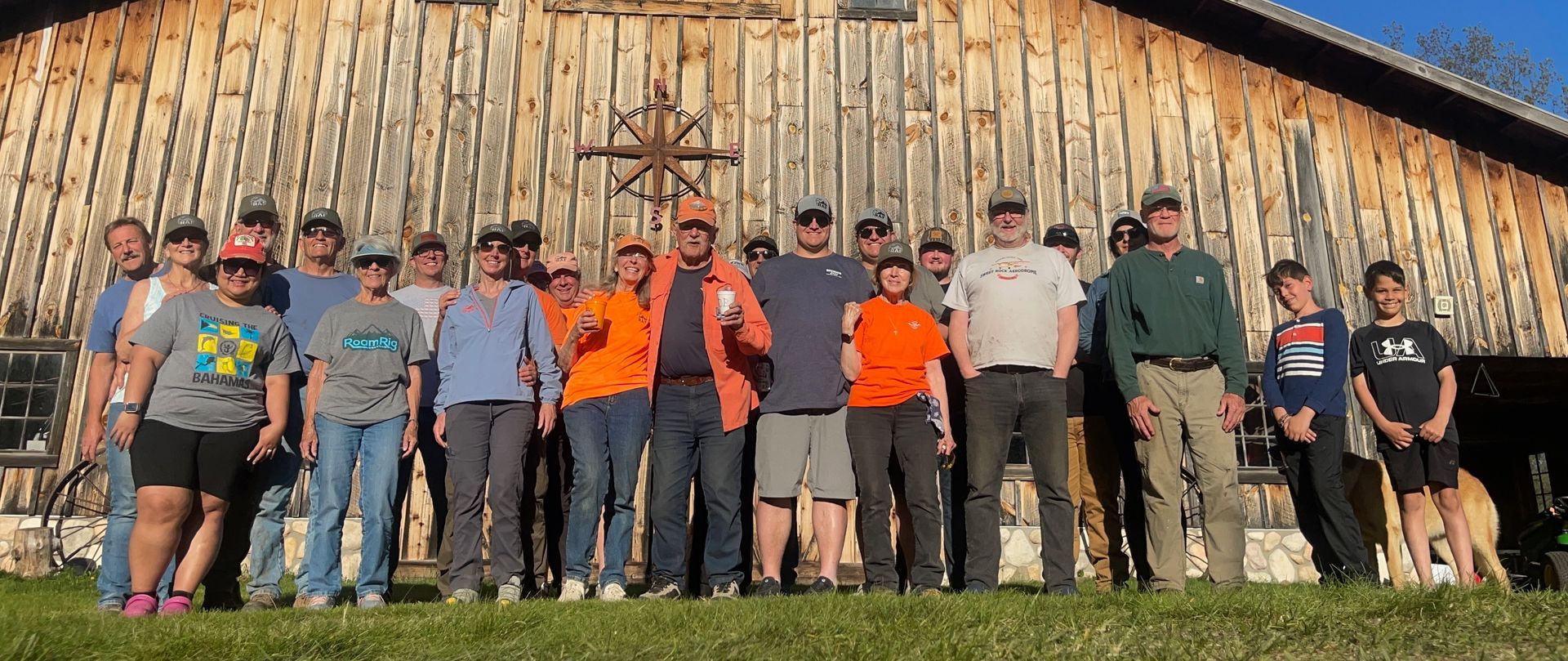
The weekend of May 15-17 saw 39 people arrive at Gillette's Lakewood Lodge, 14WS in Wisconsin, to help clean up winter-damaged broken, downed, and dying trees and ready the property for the summer flying season. They also erected the 18-ft canvas tipi that is available in the summer months for guests to enjoy Owners Bob and Judy Gillette are passionate about aviation, after respective careers in the industry, and welcome visitors to their airfield with camping, canoeing, cycling, swimming, and fishing, all accessible from the 2,137-ft turf runway. Multiple volunteers returned who have been to every work party in the past. RAF Supporters Paul and Diane Iverson drove in from California to help out at the event. There were some new faces as well. First-time volunteer Clay Adams of Rosemount, Minnesota, flew in and camped. He’d cut trees professionally and was a huge help, according to the work party's organizer, Director Jeff Russell. “The volunteers all have the same work ethics as I do, just get it done and have fun while you are doing it,” Adams said, adding, “I joined the RAF last year and heard about Lakewood Lodge. It was a neat place and a lot of fun , and I look forward to helping out again.” Volunteers mostly drove in, with a half a dozen planes bringing more volunteers. Lunch and dinners were graciously provided by Judy and Gillette's nephew, Max. Russell said, "We rented a wood chipper for two days, and it never stopped running. I'm amazed by how hard people work. I'm hugely grateful.” Find more about Lakewood Lodge in the Airfield Guide . Submitted May 26, 2026
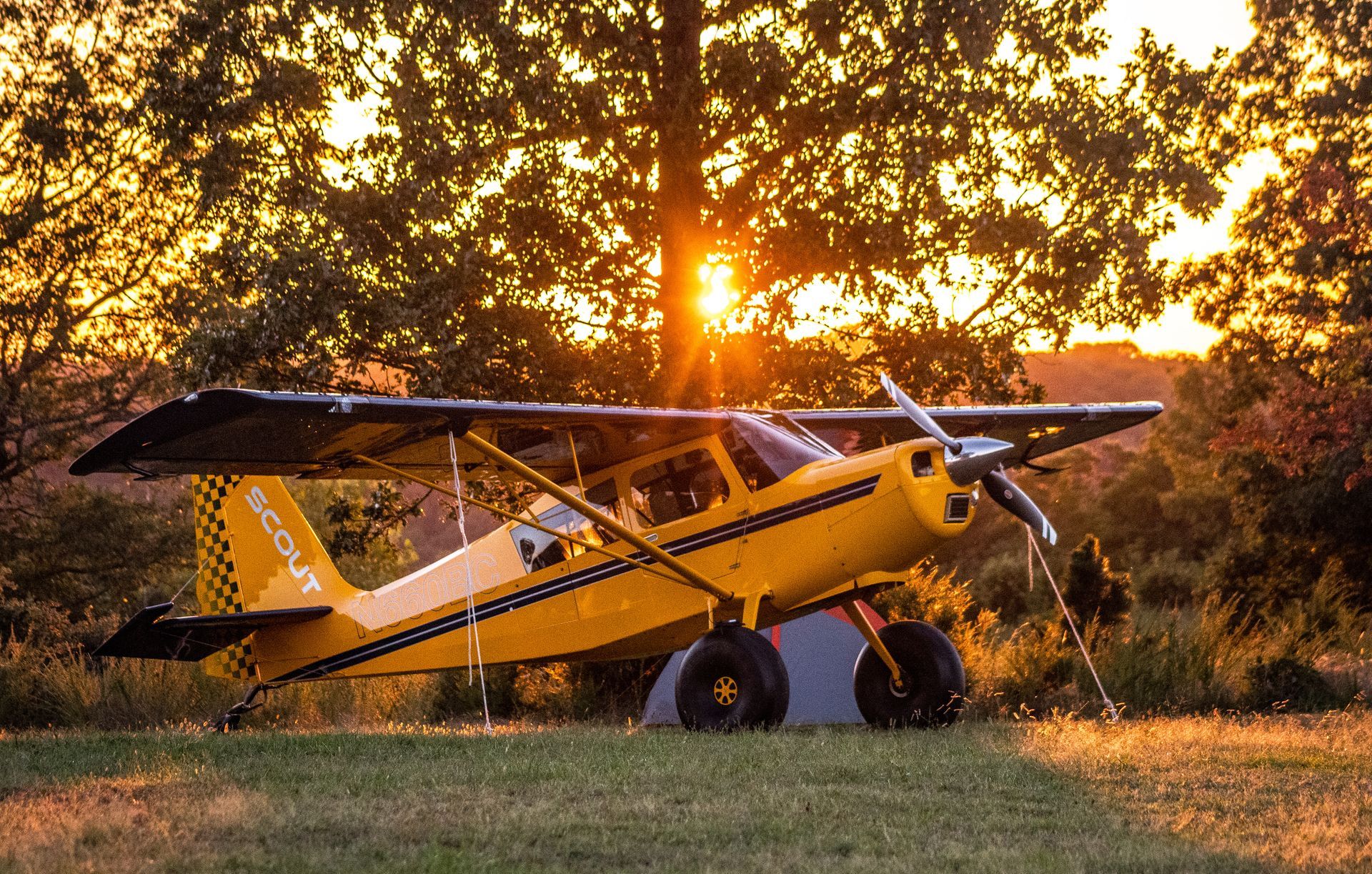
The RAF Airfield Guide should be your first stop. It’s a directory of destinations with recreational and backcountry opportunities. It’s free to use, and ad-free. If you haven’t yet signed up, that’s quick and easy, too! You’ll find information on runways and amenities, safety briefings, photos, and videos on over 400* public airstrips and private airfields. You can create your own multi-stop Route that includes all the Airfield information. Foreflight users can easily convert Airfield information into a Content Pack that is uploaded automatically into ForeFlight, all at the click of a button. We invite you to add your own comments about an airfield once you’ve visited it. So no matter when your flying season gets going, the RAF Airfield Guide is your first go-to source for information and safety briefings, and it’s available online year-round. To get logged into the Airfield Guide, visit this link , and bookmark it for the future! * More listings are added as they become available. Submitted May 26, 2026 Photo Credit: Laura Benton, Trigger Gap, AR By Carmine Mowbray
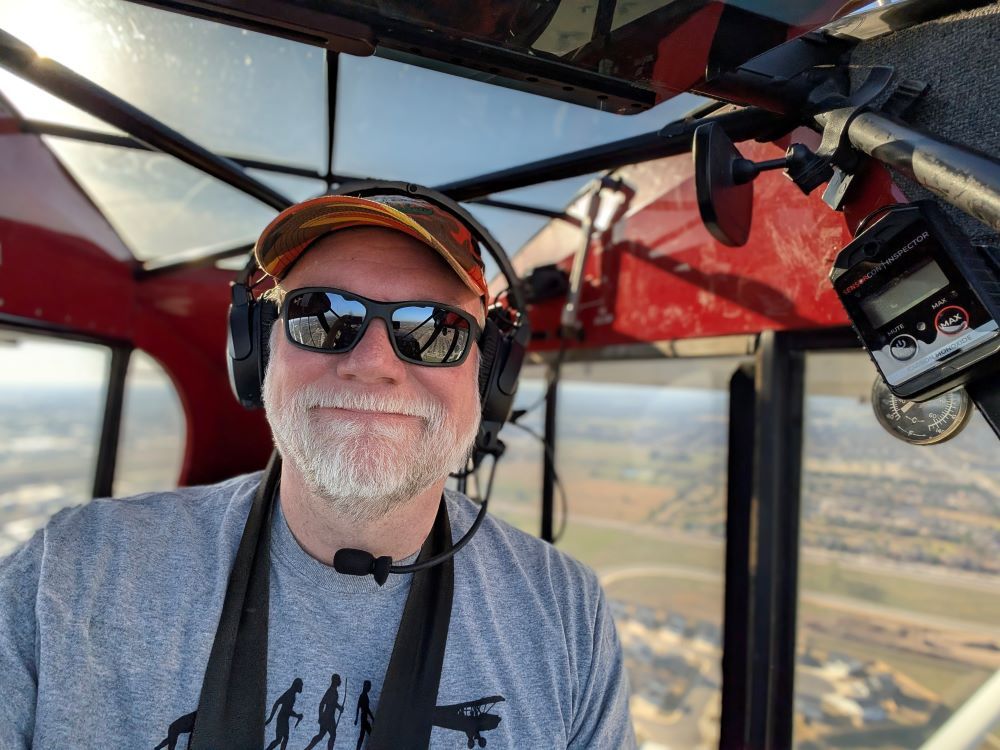
Our many RAF supporters have such vast and varied experience, and we’re capturing some of their words of wisdom to share with you. This guest editorial is by Steve Johnson, former RAF Director, Supercub.org founder, and Gold Seal CFI/MEI.