SUCCESSFUL ASI-RAF SEMINAR SERIES CONCLUDES

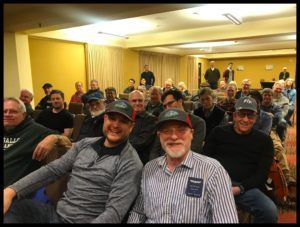
The Recreational Aviation Foundation is pleased to have teamed up with AOPA’s Air Safety Institute on more than fifty of their in-person live seminars, “From Peaks to Pavement: Applying Lessons from the Backcountry”. This ambitious six-month series just concluded, with 88 separate two-hour sessions held across the country. A total of 8,526 people attended the seminars.


Thirty-five key RAF volunteers participated with ASI’s select seminar leaders during the presentations. Some of the sessions were standing-room only, attracting over 200 attendees. RAF Safety and Education Committee chair Jack Tyler said, “Our RAF volunteers, all with backcountry flying experience, had a great time meeting attendees, exchanging information on destinations, and ’talking safety.’”

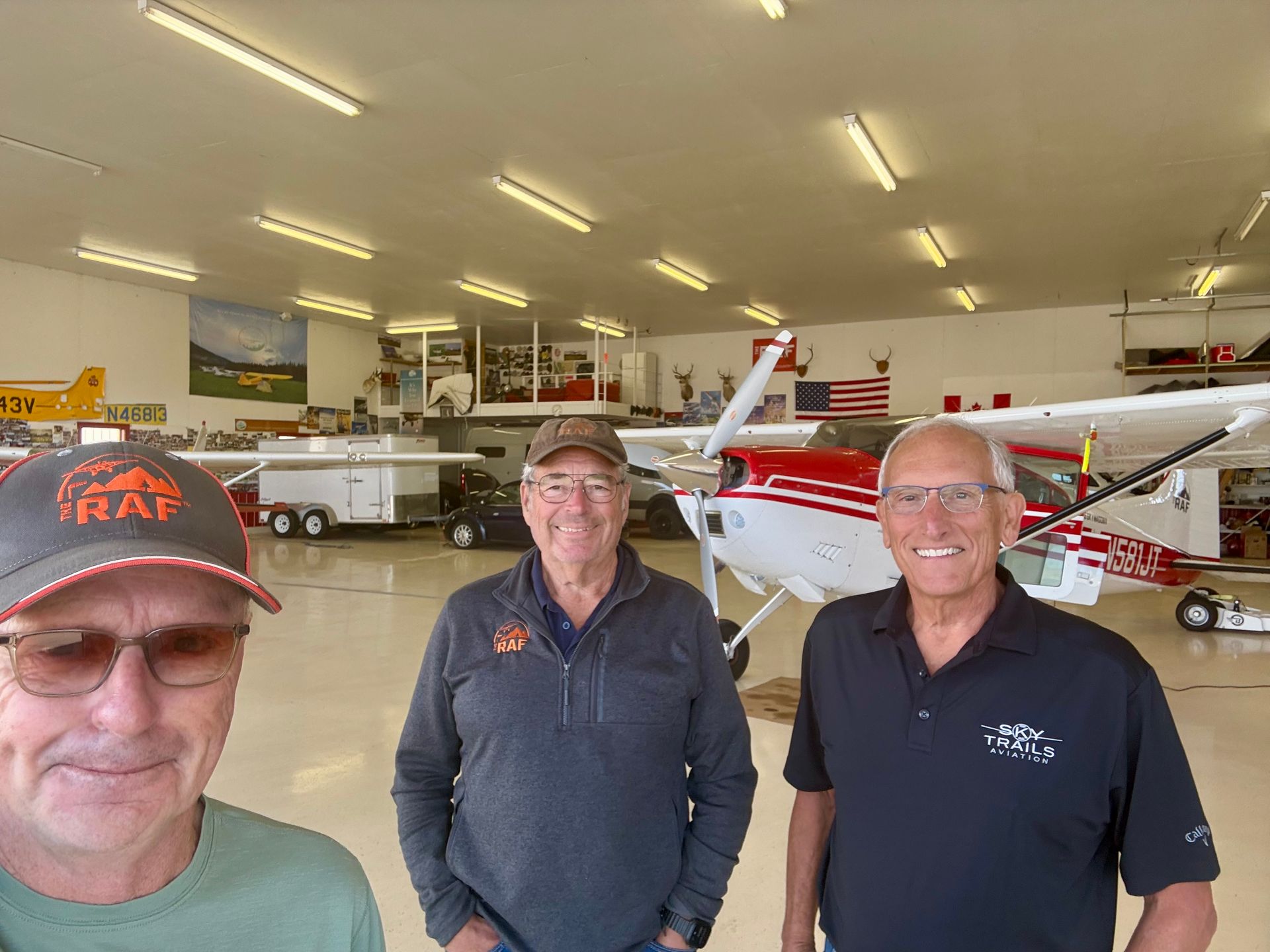
“We are delighted with the feedback we’ve received on the ‘Peaks to Pavement’ seminars,” said ASI Executive Director, Richard McSpadden. “ASI and the RAF teamed in hopes to further aviation safety and advance awareness and participation in the RAF and its important mission. We achieved both objectives and gave pilots a fun way to learn and meet new friends,” he added.

RAF State Liaisons, Ambassadors and other key RAF volunteers were available for the Q&A discussion following each program, and shared the RAF mission with audiences. They handled new membership requests, distributed RAF literature and gave away special event hats to a lucky few attendees at each seminar location.

“No organization does more for GA safety than ASI. We look forward to continuing to team up on RAF-ASI efforts, because we know it benefits our members and all pilots,” Tyler added.

RAF Florida Ambassador and student Amrat Chugani volunteered at three ASI events, and said, “Overall it was a very rewarding experience and I learned a lot from ASI presenter Bart McGonagill. He really knows his stuff and was a blast to work with.”

Submitted on June 17, 2019


Posted in News

Recent Posts

March 30, 2026
As you're planning your 2026 flying adventures, remember to review safety briefings for the airstrips you plan to visit. The RAF strongly recommends you review safety briefings and print a copy to have in your airplane - it's even required to fly into some airfields, like Ryan Field (2MT1). For those airfields, pilots flying in are required to review the briefing on an annual basis, and now is the perfect time to catch up on any changes to the runway/area that happened throughout the winter. You can find safety briefings on the RAF Airfield Guide . If an airfield in the Airfield Guide has a required briefing, the airfield listing will clearly indicate it and have a tab to view the briefing.  Submitted March 30, 2026 Photo By Jim Stevenson: Ryan Field, MT (2MT1)
March 30, 2026
RAF Texas volunteers and Ranger Airfield Foundation volunteers helped begin restoration of the historic 1928 Ranger Airfield hangar on March 28. “A Wright biplane landed here at the field in 1911, and people have been using it ever since,” Ranger Airfield Foundation Founder Jared Calvert said. He noted that Amelia Earhart landed there in a Pitcairn Auto Gyro. Richard Bach, Pancho Barnes, and General Patton also landed at the field. It’s the oldest continuously used turf field in Texas. 
By Carmine Mowbray March 30, 2026
For adventurers seeking access to the Gila Wilderness, we suggest landing at Sacaton Airstrip, NM16, near Buckhorn, New Mexico. The runway lies on a “finger mesa,” and the Rain Creek trailhead lies just northeast of the field. Thanks to RAF New Mexico Liaison Ron Keller's coordination with the USFS using a Cost Share Agreement, Keller was able to organize RAF and New Mexico Pilot Association (NMPA) volunteers to rehabilitate and reopen the long-abandoned airstrip in 2022. Beyond reopening the airstrip, Keller added camping amenities, including picnic tables and a new vault toilet. Most recently, Keller oversaw the installation of new shade structures, most welcoming to campers and hikers. RAF and NMPA volunteers complete ongoing maintenance at Sacaton and other airfields in the Gila National Forest. You’ll see white-painted rocks along Sacaton’s 3,989-ft dirt runway, and surrounding the segmented circle near the RAF windsock. The airstrip lies at 6,200-ft elevation, so pilots should be mindful of density altitude while flying over high terrain in the vicinity, even in winter temperatures.  “Anglers will enjoy plying streams for the rare native copper-colored Gila trout, once a threatened species,” Keller reports. The mile-and-a-half trail to the crossing at Rain Creek is narrow and challenging and traverses a variety of terrain, but the serious hiker will be rewarded trekking through steep canyon walls lined with green alder, willow, and boxelder, hoodoos, and eagle aeries above. There are rumors of a double waterfall some distance on the west fork of Rain Creek trail. See the Sacaton page in the Airfield Guide for more details. Note that the airstrip may be unusable due to snow or after heavy rains. This runway should be considered one-way in/one-way out to avoid overflying the Wilderness boundary. There is a 4.6% upslope to the East, favoring landing Runway 08 with right traffic, remaining clear of the Wilderness east and north of the airfield. Please consider others seeking a Wilderness experience. Prior to landing at Sacaton, permission is required by calling the USFS Gila Dispatch center at 800-538-1644. Please familiarize yourself with Sacaton in the Airfield Guide and the New Mexico Pilots Association Safety Briefing . Submitted March 30, 2025 By Carmine Mowbray
By lellington March 29, 2026