LEGACY PLANNING SERIES: TRADITIONAL IRA/401k AND QUALIFIED CHARITABLE DISTRIBUTIONS
Naming the RAF as a full or partial beneficiary of your traditional IRA or 401k can save estate taxes, and tax on the ordinary income. You can even specify a project if you wish!
- The IRA/401k provides an RAF donor a very simple way to make a legacy gift to the RAF. You simply name the RAF a full or partial (fractional) beneficiary, or state a dollar amount of residual benefits in your plan.
- You may also declare the RAF a “contigent beneficiary.” You may leave your IRA to your spouse or family member, after which the RAF becomes the beneficiary.
- These gifts can avoid potential double taxes on IRA proceeds – first as part of the estate, then as ordinary income to the beneficiary. The IRA Charitable Rollover allows taxpayers over age 70 1/2 to donate up to $100,000 annually from their IRA without having to first declare the distribution as income. Such distributions count toward the Donor’s Required Minimum Distribution (RMD).
- The Donor may specify a project, or the RAF will simply use it to further the RAF Mission to preserve, improve, and create airstrips for recreational access.
Consult your tax/legacy planner, then contact us for help in considering this way to leave a legacy.
There are several other ways you can help while preserving your lifestyle. Watch our website to learn about another option next month.
Submitted January 12, 2024.
Posted in News
Recent Posts
Our many RAF supporters have such vast and varied experience, and we’re capturing some of their words of wisdom to share with you. This guest editorial is by Cindy Cross, RAF VP of Appreciation.
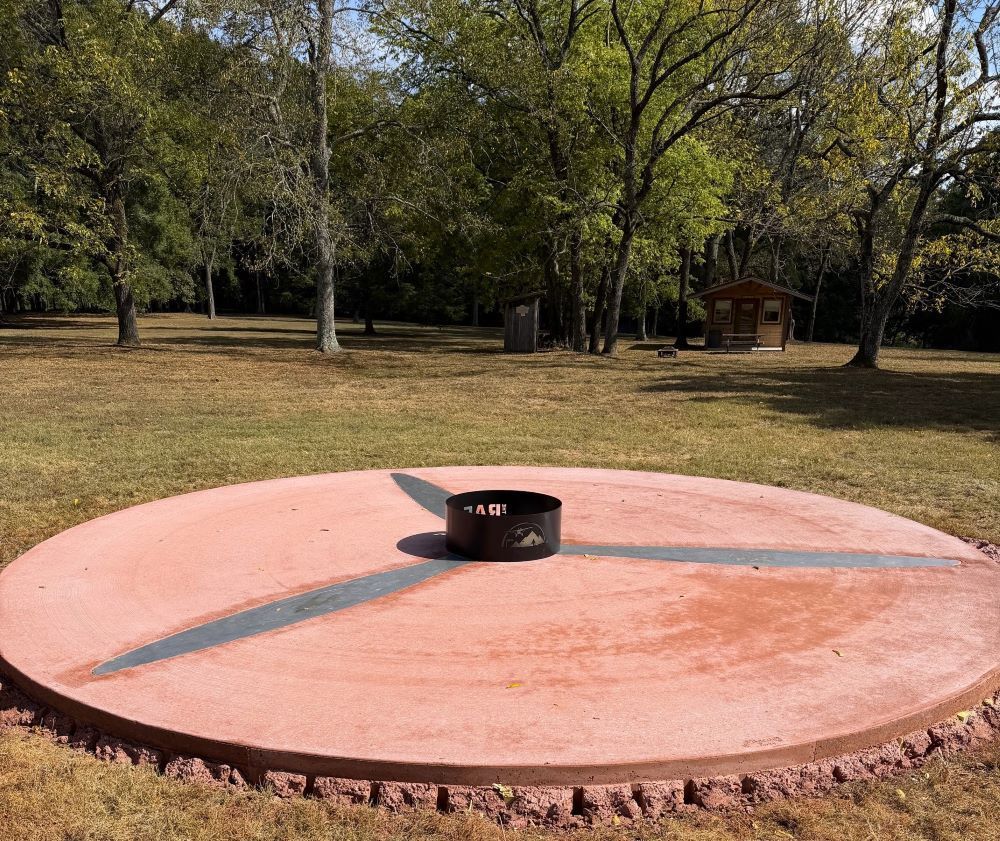
The Beechcraft Heritage Museum at Tullahoma Regional Airport is the site of a new RAF Fire Hub, provided by an RAF grant submitted by Tennessee Ambassador Steve Lewis. The Parish family, who own the Beechcraft Museum, along with other RAF volunteers, contributed to the preparation and installation of the fire hub. They completed the project in time for folks to enjoy it during the annual Beech Party event over the October 10-11 weekend. The 20-foot diameter permanent concrete base was provided by a private donor. The fire ring and three 10-foot-long propeller blades were designed and fabricated by RAF Volunteer Pete Smith of Lewistown, Montana, with design assistance from Pete's son Matt Smith of Bozeman, Montana. The structure lies east of the 2,775-ft turf Parish Aerodrome runway adjacent to the Beechcraft Heritage Museum. “This permanent installation will showcase the RAF mission as the Museum draws visitors from around the country,” Lewis said. For more information on the airport, see the Airfield Guide . Submitted October 21, 2026
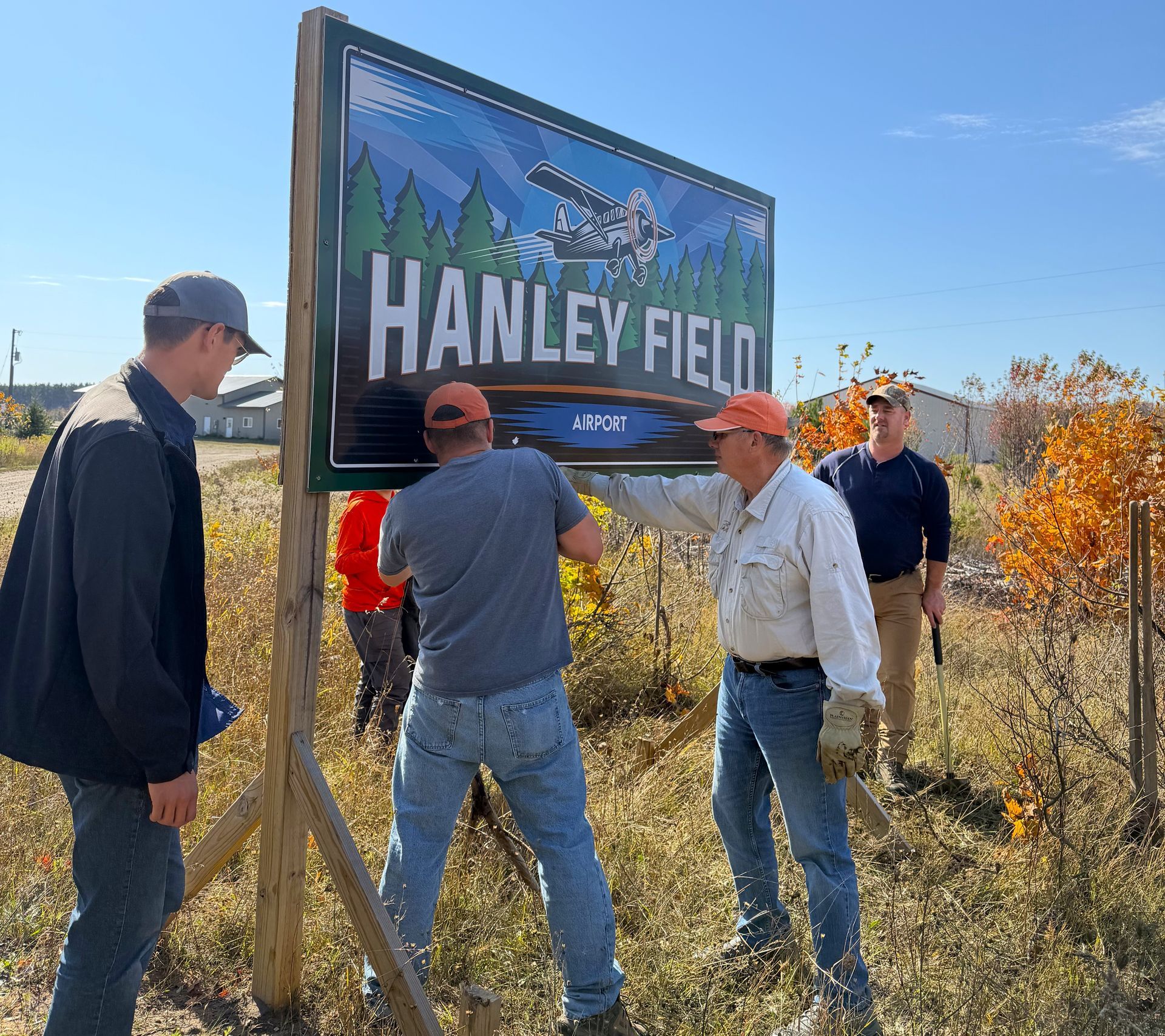
Michigan RAF volunteers had a very successful work party at Hanley Field (5Y7) in Michigan’s Upper Peninsula the October 10-11 weekend. Led by Michigan Ambassador Ryan Minnick, the crew, including Michigan Liaison Tanmoy Ganguly, cut and stacked firewood, repaired the sink and water heater, and relocated the airport sign along the road for better visibility. “We had a great weekend and got a good amount of work done. It was great connecting with supporters from the area,” Minnick said. “The assistant airport manager was there and was very happy with the results that came out of the work party.” Fourteen remained to camp Saturday night. Find more about Hanley Field in the Airfield Guide . Submitted October 21, 2026