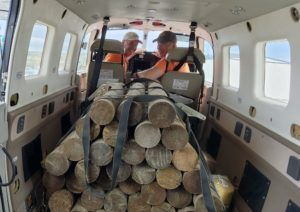
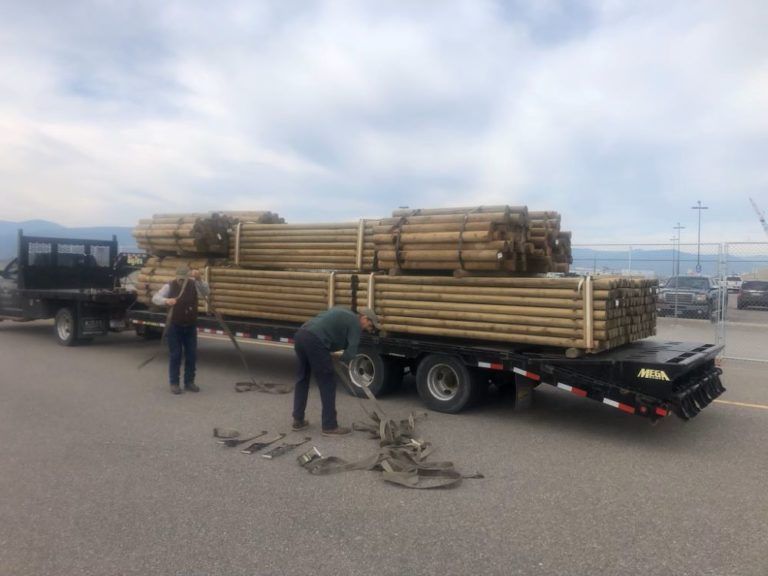
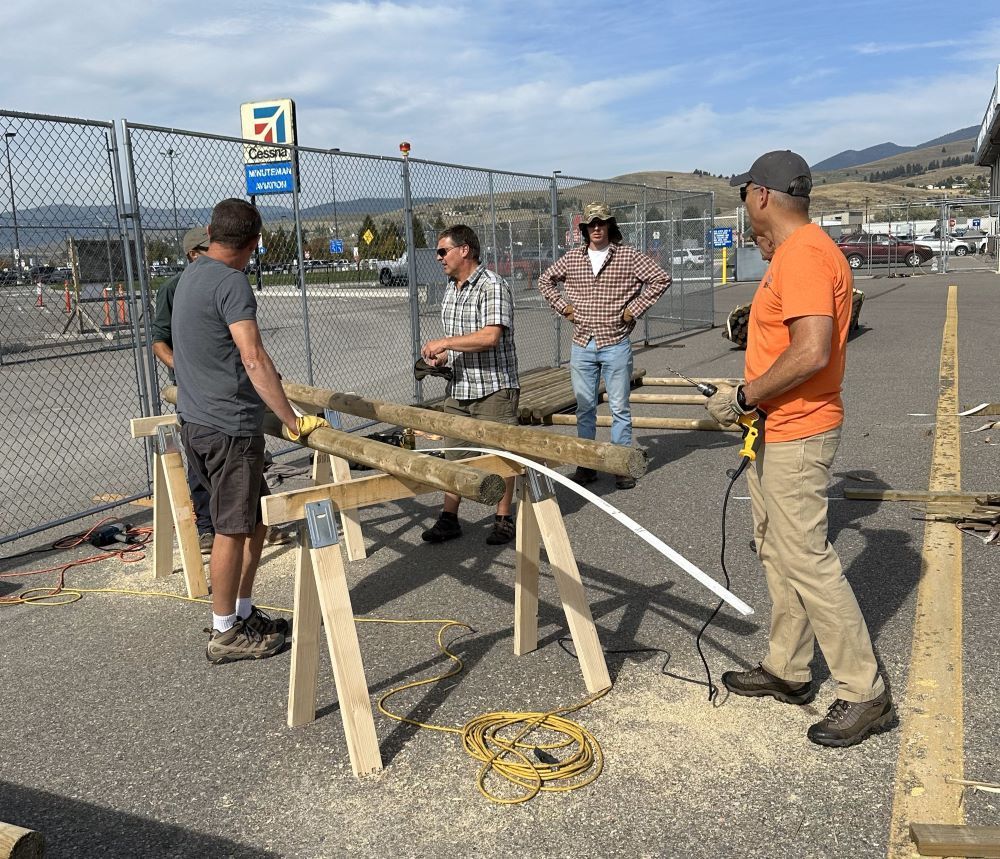
RAF Supporter Ed Kronfuss took on the logistics challenge and procured the posts and rails in Lincoln, Montana. Since no power tools are permitted in the Wilderness, Kronfuss had the posts and rails trucked to the Missoula airport where volunteers pre-drilled them for easier assembly. Daher-Kodiak provided the Kodiak 100 to haul the prepared posts to Moose Creek; and the USFS Shorts Sherpa carried the fence rails.
VOLUNTEER AIRLIFT SUPPORTS MOOSE CREEK RANGER STATION
The following is a press release announced by the U.S. Forest Service Nez Perce-Clearwater National Forest Public Affairs Officer.
Recreational Aviation Foundation President Bill McGlynn “considers getting to fly into Moose Creek a real privilege” as do many of his fellow aviation enthusiasts. So, when he learned that there was a volunteer opportunity that he and his fellow pilots were uniquely suited to help with, he jumped at the opportunity. At a regional level review of backcountry Forest Service airstrips, Bill told Forest Service employees that the Sand Point branch of the Daher Company—a French aviation conglomerate–“had offered us 50 hours of Kodiak time to help transport materials” and asked if he could be of assistance and after some discussion the Moose Creek project was identified as a good fit.
Once the project was identified, McGlynn began to mobilize. Utilizing a cost-sharing agreement with the Forest Service, he purchased posts and rails from a local Montana company and had them transported to the Missoula airport. Minuteman Aviation donated its maintenance ramp at the airport for a week so they could perform preparatory work. Because Moose Creek is in the Selway-Bitterroot Wilderness, where only hand tools can be used, his team needed to drill and perform other powered mechanical work before the airlift began. With the help of six eager volunteers, they were ready to start hauling the new fence to Moose Creek only a day later.
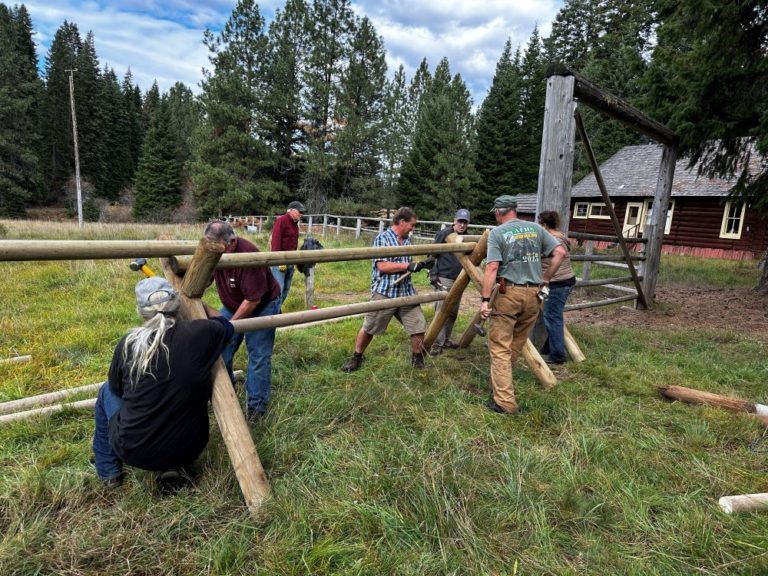
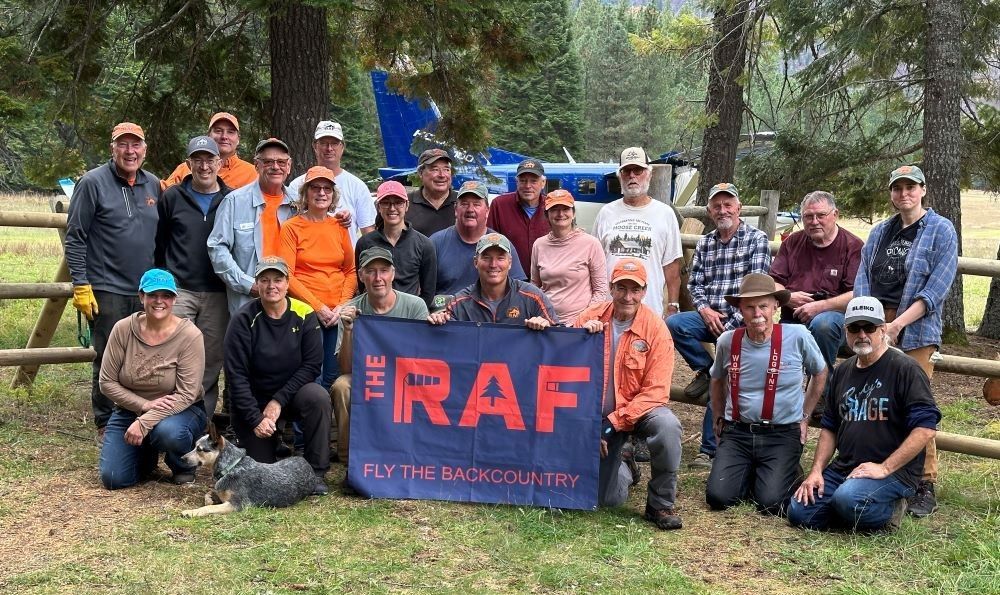
Unfortunately, their team hit another snag: the Kodiak was too small a plane for the 10 and 1/2 foot fence rails. Luckily, the USFS Region 1 aviation team led by Shane Bak was able to step in and help with the Shorts Sherpa and load crew that accommodated their materials. The longer rails were all transported, and the work began on time October 13, 2023. The first of 20 volunteers, which included people from Indiana, North Carolina, Wisconsin, and the Pacific Northwest, all flew to Moose Creek to start removing the old fence and assembling new jack-leg fence.
“It wasn’t hard at all for me to recruit people to come help out here when they found out this place needs work and they want to give back,” McGlynn explained. In fact, he intentionally limited recruitment: “We didn’t go broadly asking for people to sign up because we thought we’d get too many volunteers.” The process of putting up the fence “felt like an orchestra with everyone doing what they felt most comfortable doing and were best at.” “The fence went up so fast that we had to slow down because materials weren’t coming fast enough to keep up with us.”
In just four and a half days, McGlynn’s team installed 1260 feet of replacement fence and got all the old, deteriorated fence out and organized in piles to be burnt later. Only 1000 feet of replacement fence remains to be installed. The Historic Moose Creek Ranger Station is the Selway-Bitterroot Wilderness hub supporting youth development in resource stewardship, back country recreation, outfitter and guide operations, scientific research, wildland fire management and wilderness values. “RAF’s commitment to Moose Creek Ranger Station goes well beyond solely benefitting recreational aviation. Their work supports the wide variety of work we do, and we are fortunate to have them as partners,” said Moose Creek istrict Ranger Ron Tipton.
Submitted November 30, 2023
Posted in News
Recent Posts
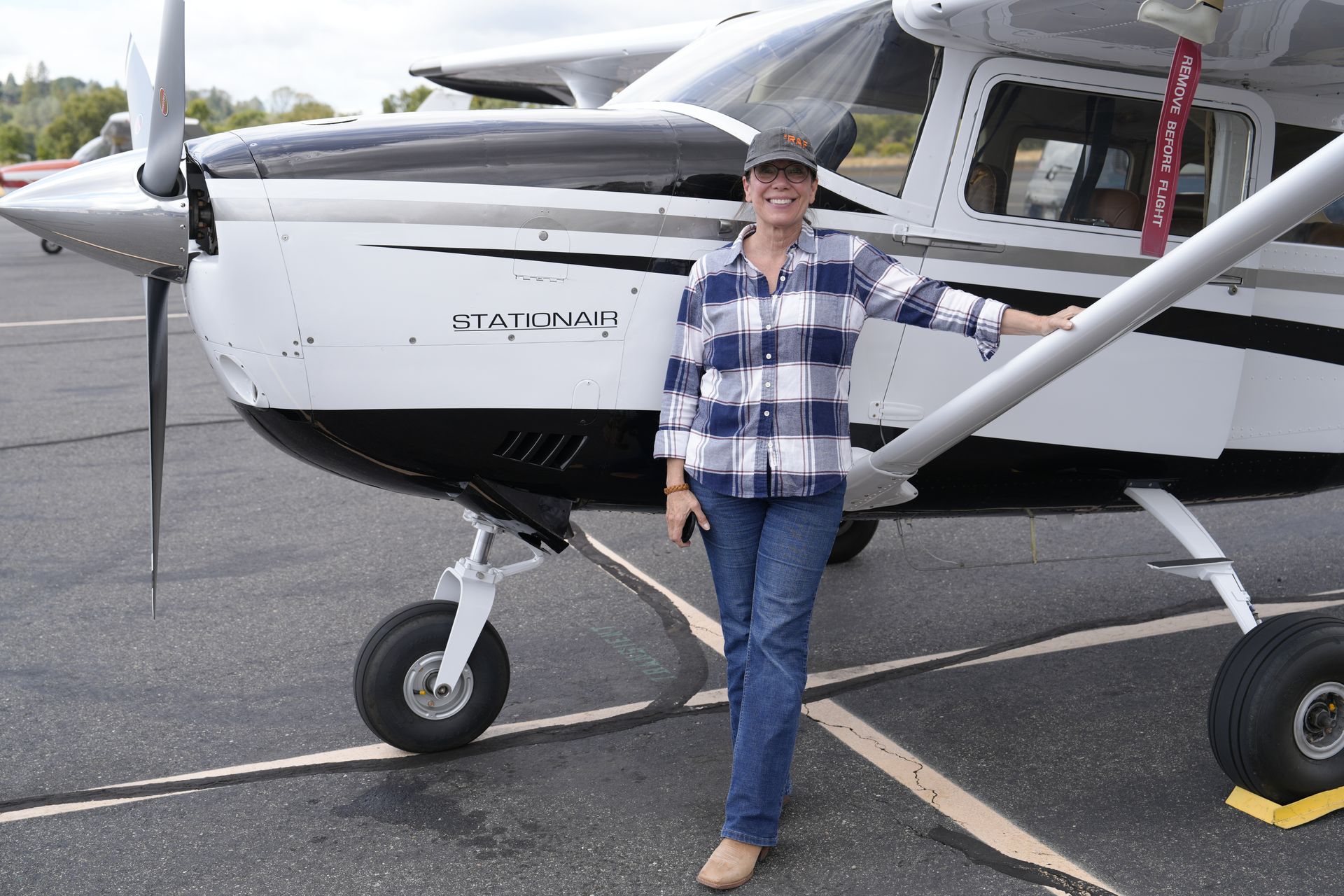
Our many RAF supporters have such vast and varied experience, and we’re capturing some of their words of wisdom to share with you. This guest editorial is by Cindy Cross, RAF VP of Appreciation.
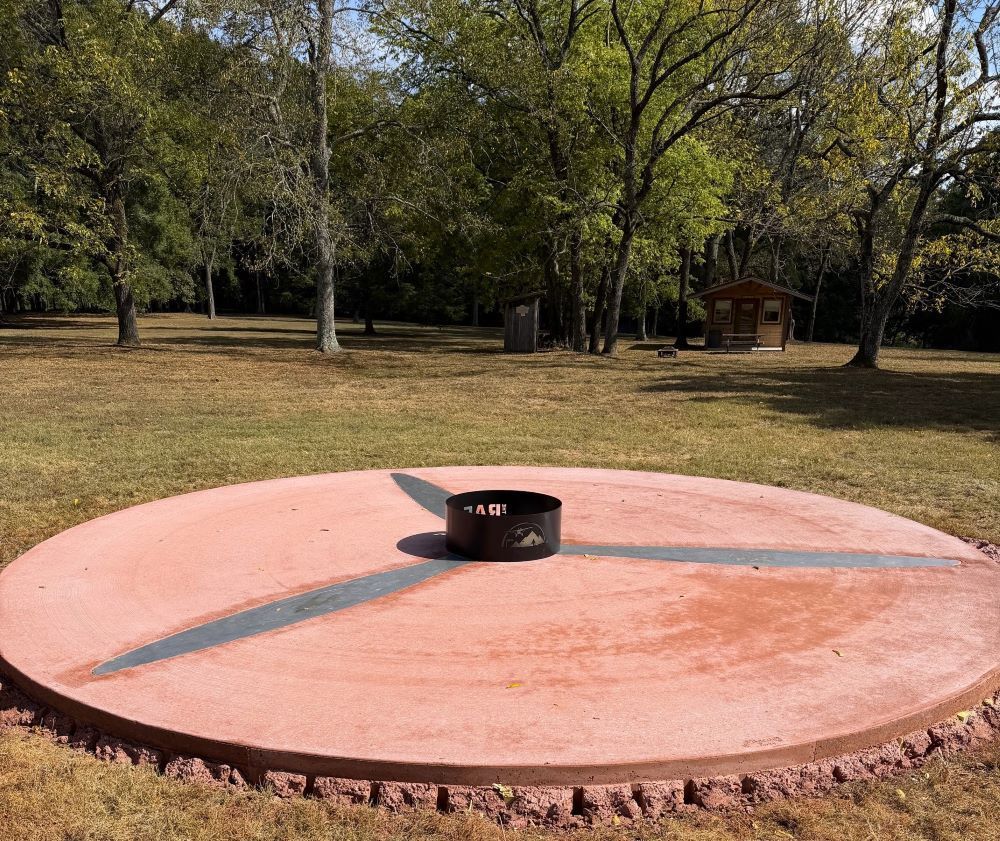
The Beechcraft Heritage Museum at Tullahoma Regional Airport is the site of a new RAF Fire Hub, provided by an RAF grant submitted by Tennessee Ambassador Steve Lewis. The Parish family, who own the Beechcraft Museum, along with other RAF volunteers, contributed to the preparation and installation of the fire hub. They completed the project in time for folks to enjoy it during the annual Beech Party event over the October 10-11 weekend. The 20-foot diameter permanent concrete base was provided by a private donor. The fire ring and three 10-foot-long propeller blades were designed and fabricated by RAF Volunteer Pete Smith of Lewistown, Montana, with design assistance from Pete's son Matt Smith of Bozeman, Montana. The structure lies east of the 2,775-ft turf Parish Aerodrome runway adjacent to the Beechcraft Heritage Museum. “This permanent installation will showcase the RAF mission as the Museum draws visitors from around the country,” Lewis said. For more information on the airport, see the Airfield Guide . Submitted October 21, 2026
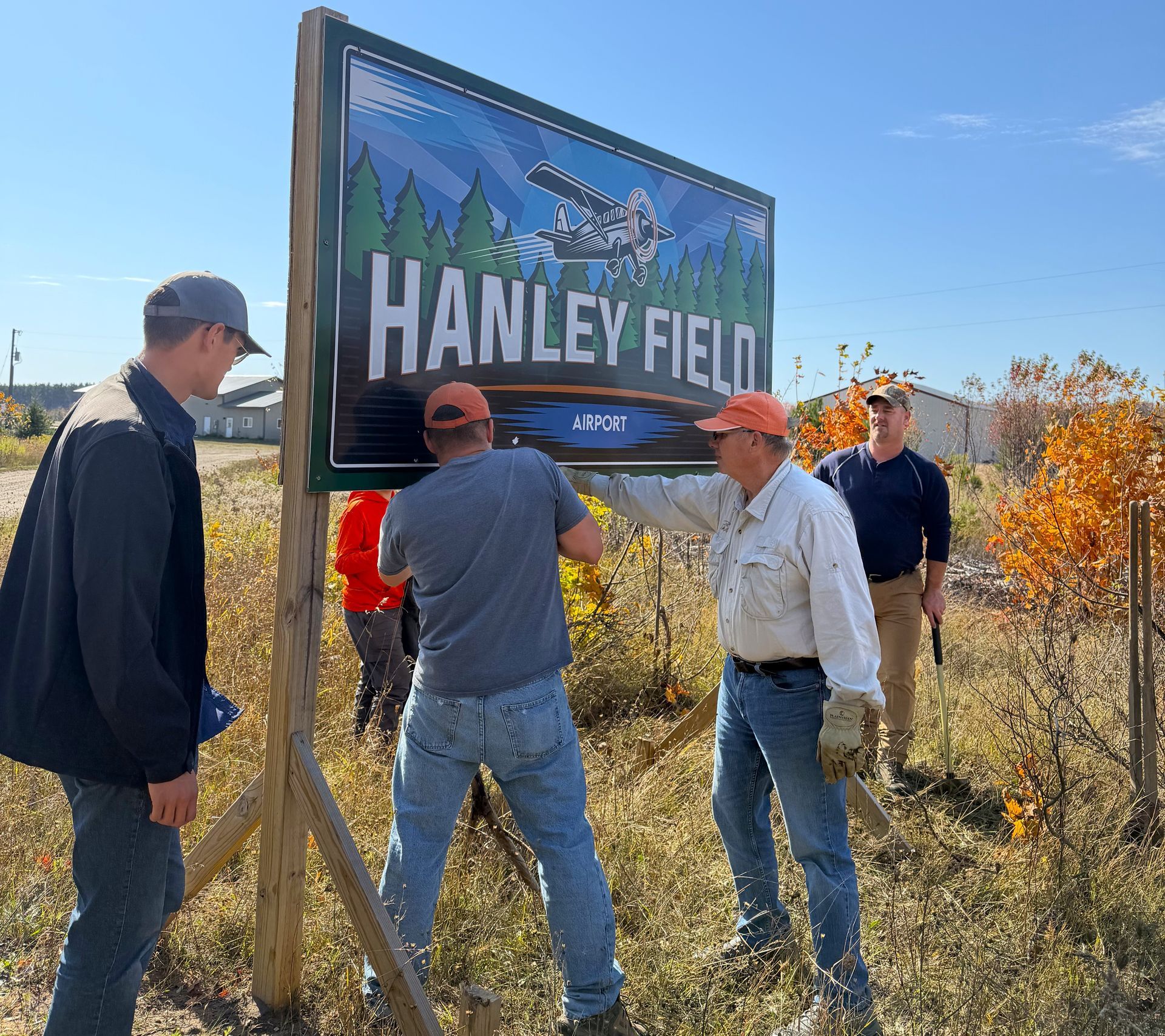
Michigan RAF volunteers had a very successful work party at Hanley Field (5Y7) in Michigan’s Upper Peninsula the October 10-11 weekend. Led by Michigan Ambassador Ryan Minnick, the crew, including Michigan Liaison Tanmoy Ganguly, cut and stacked firewood, repaired the sink and water heater, and relocated the airport sign along the road for better visibility. “We had a great weekend and got a good amount of work done. It was great connecting with supporters from the area,” Minnick said. “The assistant airport manager was there and was very happy with the results that came out of the work party.” Fourteen remained to camp Saturday night. Find more about Hanley Field in the Airfield Guide . Submitted October 21, 2026