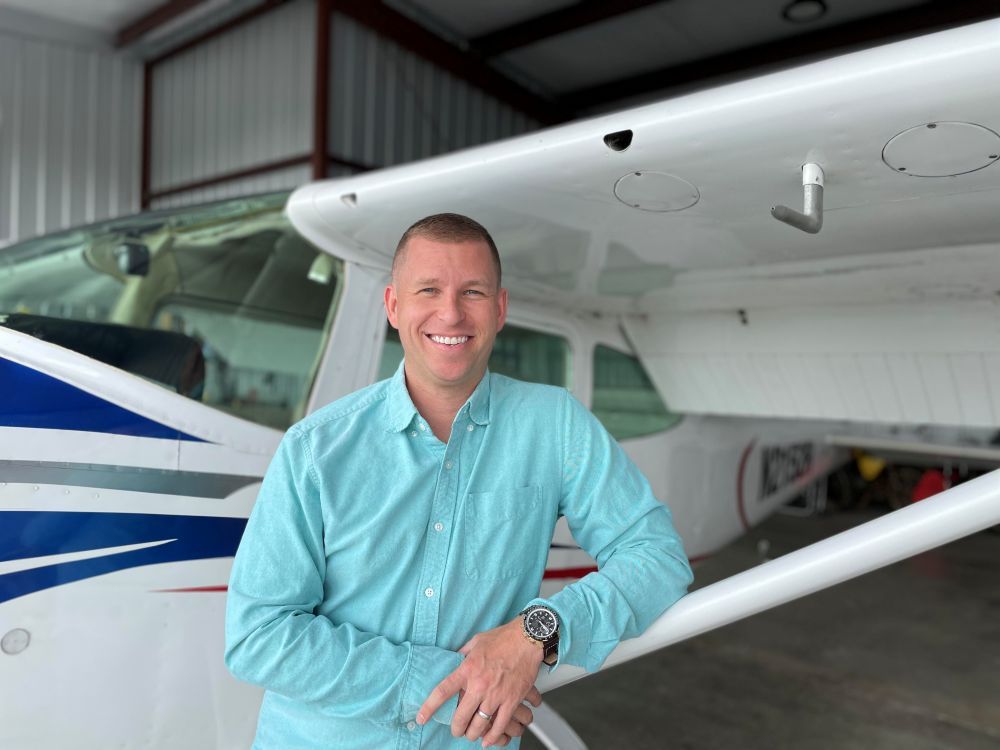
WORTH THE READ: BRITT LINCOLN GUEST EDITORIAL
Our many RAF supporters have such vast and varied experience, and we’re capturing some of their words of wisdom to share with you. This guest editorial is by Britt Lincoln, a competition aerobatic and airshow pilot and RAF supporter.
The Gift Of Mentorship:
We are in the aviation era of magenta lines, glass panels and equipment to help make us safer
pilots, but nothing replaces the wisdom passed from one aviator to another. This is especially
true when it comes to backcountry and mountain flying, where judgment and experience matter
just as much as stick and rudder skills.
Many of you reading this have long known what some pilots are just discovering—the beauty
and serenity of the backcountry and the postcard-worthy views that general aviation makes
possible. The growth of organizations like the Recreational Aviation Foundation and the
deliberate focus on backcountry flying by groups such as AOPA reflect a growing desire among
pilots to explore this incredible part of aviation.
But flying in the backcountry demands more from us than what most of us learned in our private
pilot training. How can we truly become a backcountry pilot? Books and formal mountain-flying
courses are excellent resources—and I believe every pilot, regardless of experience, benefits
from structured instruction.
Another powerful way to learn, though, is through mentorship. As a small and tight-knit
community, we have the unique opportunity to share our knowledge and experiences—to pass
along what we’ve learned, and to seek wisdom from those who’ve been there before us.
Lessons From The Right Seat:
My earliest memories of backcountry flying go back to when I was a little girl—long before I
ever earned my own wings. They are memories of flying with my grandfather, Roger, in our
family’s Cessna 180, from our farm on the central Montana plains and heading west toward the
Rocky Mountain Front.
We would depart the farm’s grass strip and, in true crop-duster fashion, Roger would typically
fly along for the first hour at no higher than 1,000 AGL. I sat in the right seat on a pile of
pillows, scanning the fields for antelope, deer or the occasional elk and with the frequent request
of, “Grandpa, I want to fly!” As we approached the mountains, I remember asking, “Why are we
flying so high?”—a question that opened the door to countless lessons.
Over the years and many trips into the Montana backcountry, those flights became a classroom
in the sky. Roger taught me about mountain wave, canyon flying, boxed canyons, density
altitude, short-field approaches, weather —and, perhaps most importantly, the wisdom to turn
around or not go at all. As I grew older, he began to quiz me during our flights: Where’s the wind
from? How should we approach the mountains? What’s your plan for the landing?
He was teaching me to be a backcountry pilot long before I was old enough to be a pilot.
Looking back, I realize those flights were more than wonderful memories that I will forever
cherish —they were mentoring moments that shaped how I fly today. The lessons my grandpa
Roger shared have made me a more thoughtful pilot and, quite possibly, spared me from learning
some lessons the hard way.
Carrying It Forward:
We should all have a “Grandpa Roger.”
Last spring at the Montana Aviation Conference, I attended a backcountry flying panel and
listened as several pilots expressed a strong desire to connect with more experienced
aviators—to gain confidence and fly more safely in the backcountry. That conversation reminded
me how much our community benefits when experience is shared.
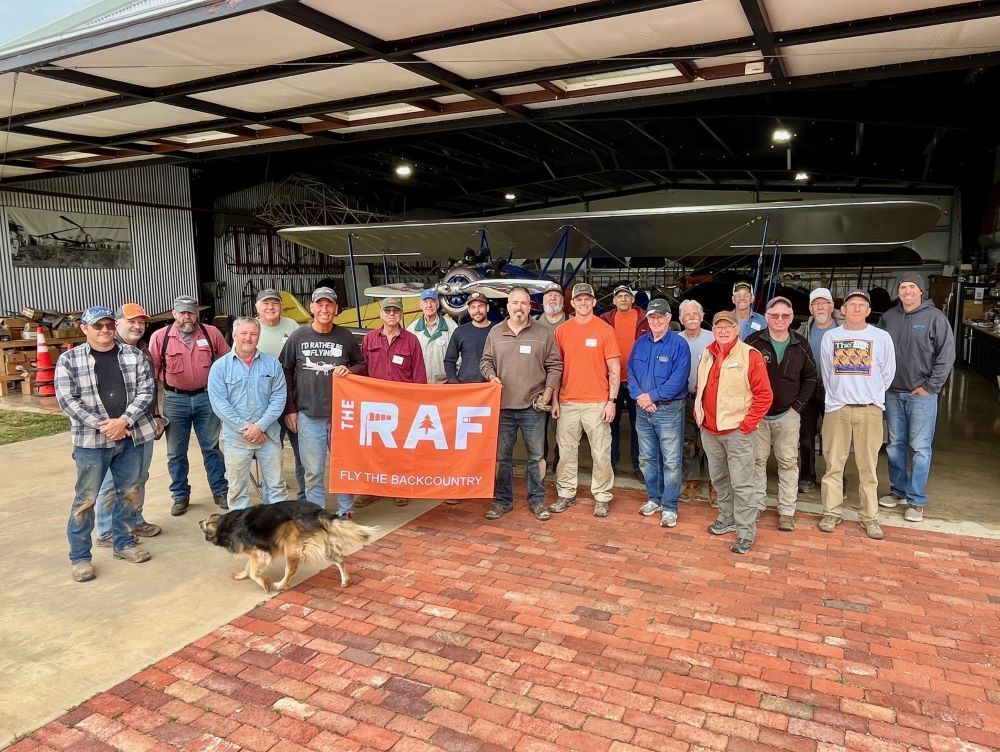
Getting involved with organizations like the RAF is one of the best ways to meet fellow pilots
who share an interest and passion for the backcountry. Fly-ins, work parties, and volunteer
projects are not only opportunities to give back, but perfect moments for mentorship. Invite a
less-experienced pilot along on a trip—or fly right seat with them in their airplane. For those
with experience, sharing your knowledge is a lasting gift.
Flying in the backcountry is a beautiful privilege, but it brings challenges that demands skill and
judgment beyond what most of us use for a $100 hamburger run. In the various forms of flying
that I have come to enjoy, I have found that my own experiences help me grow as a pilot, but the
best lessons often come through mentor-like relationships that often turn into lifelong
friendships.
A Landing To Remember:
I’ll never forget my first backcountry landing as pilot-in-command. I followed Montana
Highway 2 through the mountains for as long as I could, before I broke off and flew along the
Middle Fork of the Flathead River through the raw Montana backcountry. As I approached
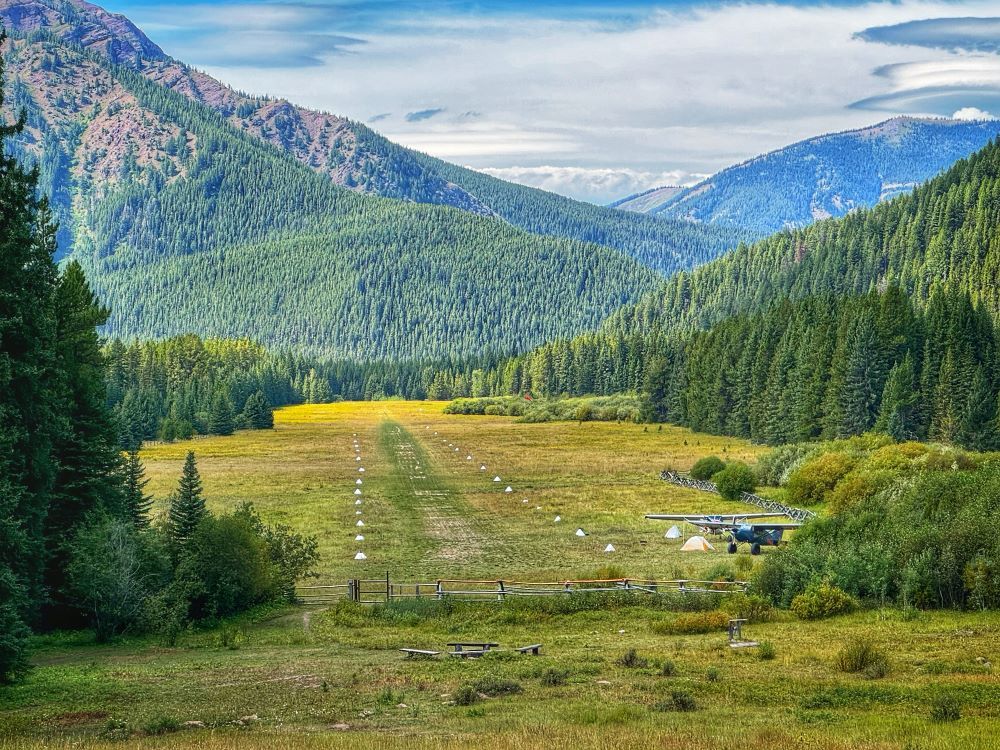
Lodgepole Mountain, I turned North and there was my destination - Schafer Meadows - a strip I
knew so well as a passenger but felt like a complete stranger to as a pilot.
I surveyed the strip on my downwind leg and I felt my palms begin to sweat as I slowed the
airplane and began adding flaps. As I turned base the visual of the rising mountain terrain was
intimidating. It was followed by a tree-covered downhill slope on final which made my natural
human instincts want to add power and increase the distance between my Goodyears and the
towering Ponderosa Pines below.
But then I remembered all those lessons with Grandpa Roger—the wind, the approach, the go-
around decision. I trusted the training, the mentoring, the airplane, and most importantly, myself.
The landing was smooth and uneventful—and I can say that confidently, because only the USFS
horses were there to witness it.
That flight was a proud moment for me, accomplished safely and successfully in large part
because of my mentor.
Passing It On:
Every time I am exploring the backcountry and touch down on a remote strip, I think of my
grandpa Roger and the lessons he passed on. His mentorship gave me confidence to explore
safely and the humility to keep learning.
Each of us has that same opportunity—to pass along hard-earned knowledge, to listen, to teach,
and to strengthen the backcountry community. Mentorship not only makes us safer pilots—it
keeps the spirit of backcountry aviation alive.

Britt is a fourth-generation Montana pilot who now calls Tennessee home, though her heart remains in the Big Sky State. Britt is the former Social Media Coordinator for the RAF and an active supporter of its mission. An accomplished competition aerobatic and airshow pilot, Britt is a U.S. National Champion, a world competition medalist, and a member of the U.S. Unlimited Aerobatic Team. Despite her achievements in the airshow and aerobatic world, her roots will always be in backcountry flying.
Submitted November 17, 2025
Posted in Guest Editorial, News
Recent Posts