RAF FEATURED SUPPORTER: CHUCK JARECKI

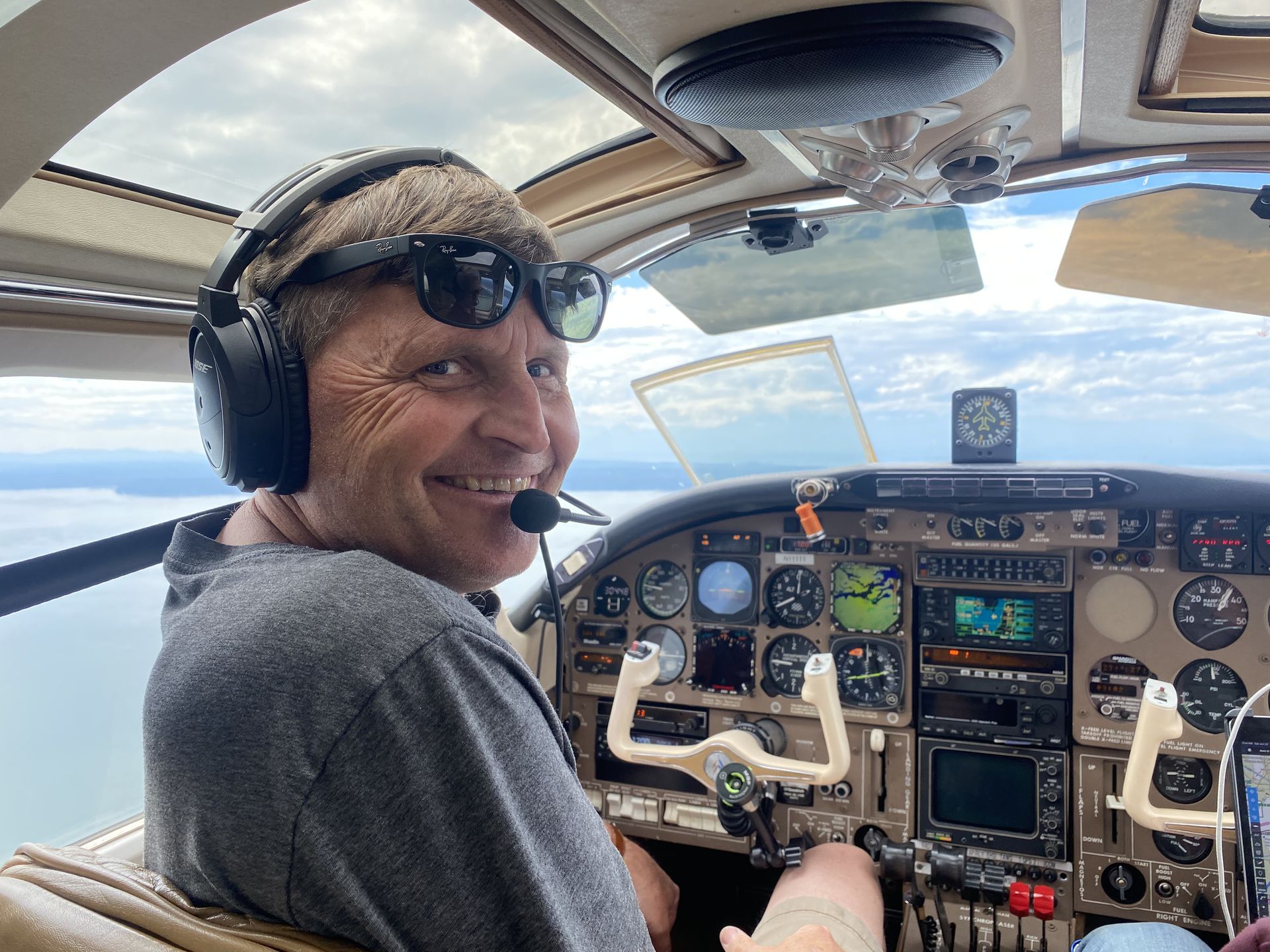
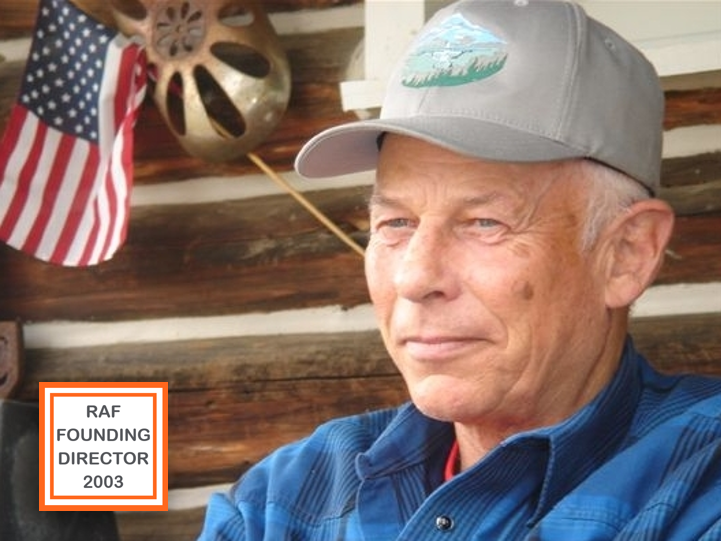
To simply call Chuck Jarecki of Polson, Montana, an “RAF Supporter” falls way short of the contributions this pilot and retired rancher has made to the RAF and to general aviation.


He was one of those six fellows around the campfire who recognized the need to protect aviation access to the backcountry, and asked, “If not us, who? And I not now, when?” Chuck has always practiced good backcountry ethics, saying, “Pilots must respect other people’s values just as we expect them to show consideration for our means of wilderness access.”


Chuck was raised in Erie, PA, but was born with a Western heart. Between terms at Hotchkiss boarding school, and four years at college, he made his way to Wyoming and Montana working as a ranch hand to learn ranching from the ground up. After finishing his Agricultural degree at Cornell, plus additional course work at Montana State University in the range management department, he found his place and bought a ranch west of Polson in Western Montana.


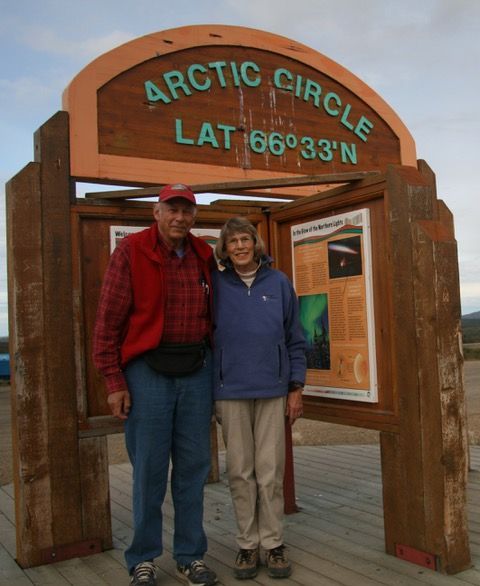
Chuck and his wife Penny have always worked side-by-side, whether it’s raising cattle, or contributing to community events. Penny was known for her crew dinners and homemade pies. She founded the Greater Polson Community Foundation, a thriving nonprofit, and she continues serving in an emeritus role.


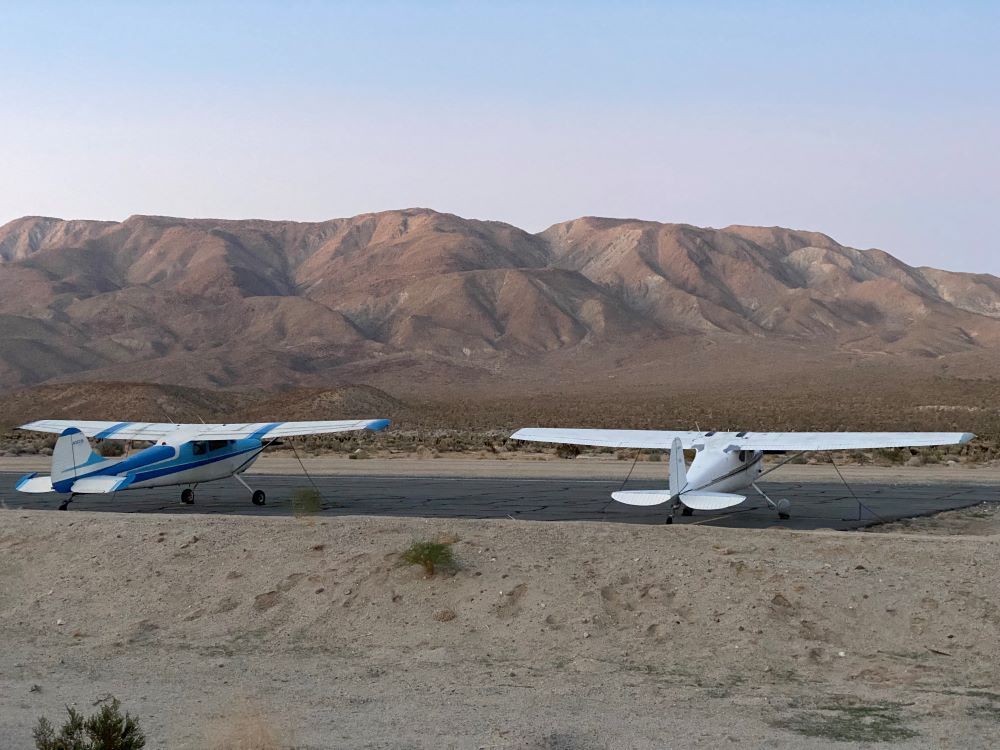
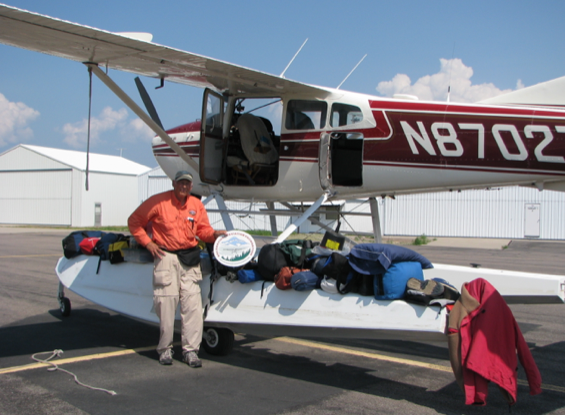
Jareckis bought their brand new Cessna 180 in 1976, and have logged thousands of hours together traversing most of the Western Hemisphere, including flights to the East Coast, venturing as far as Labrador, three and-a-half time zones from home. Escaping Montana’s winters, they often flew to Mexico, even as far south as Panama. Always searching for new challenges, Chuck mastered seaplane skills, and owned a Cessna 185 on Aerocet floats for a dozen years, exploring Alaska and Canada, making it all the way to the Arctic Ocean more than once. The 185 had a fuel-injected O-520. “I really hoped it started quickly after I untied and was adrift on the South Nahanni River just above Virginia Falls in the Northwest Territories,” he recalled. Luckily, it did!

Not many people from the Lower 48 can say they’ve landed at 49 Alaska locations from Anatuvuk Pass to Yakutat, as the Jareckis have. Venturing beyond the Western Hemisphere, Chuck and Penny have landed at 14 different places during a flying tour of Australia.


Where did his passion for flying take root? His father was an avid pilot, and Chuck has fond memories of the stories of the cabin Waco his father and mother flew cross-country before he was born. Later, after WW II, Chuck’s father worked as a corporate pilot.


The Jareckis have sold their ranch, and it remains a showplace of good range management. Having retired from his ranching career, Chuck had some time and a lot of knowledge to apply to the new RAF and its mission. His successful relationship with public land managers was a valuable asset, and Chuck was instrumental in saving the six BLM backcountry airstrips within the Upper Missouri River Breaks National Monument. “Chuck set us on a path toward productive conversation with the BLM and the results we were hoping for in those early days,” RAF co-founder and Chairman John McKenna said.
When not on flying, trekking, or rafting adventures, Chuck has spent an incredible amount of time and energy making improvements at Ryan Field, too numerous to mention. From arranging the initial logging project, clearing areas for tie-downs, spraying weeds, obtaining, painting and placing the runway cones, “I stopped counting after I flew dozens of trips up there,” he says. Folks who’ve enjoyed the rustic Ryan pilot shelter, privy and his hand-crafted bear boxes, have Chuck and his occasional volunteers to thank. Many fun hours have been spent cooking and baking with the wood cookstove the Jareckis donated from their original ranch house, or frying steaks over the stone barbecue he built.


Tackling another important task, Chuck drafted the RAF’s Advocates’ Guide to Recreational Aviation, and the companion reference, Land Managers’ Guide to Airstrips on Public Lands, which are valuable resources for the RAF Directors, Liaisons, and those overseeing public lands.


A former director of Montana Pilots Association and co-founder of the RAF, Chuck’s philosophy helped craft the RAF Code of Ethics. “I am keenly aware of the struggles we, as advocates of recreational backcountry aviation, constantly endure to protect airstrips and our rights to use them. We must conduct ourselves in such a way to preserve flying opportunities for future generations,” he says. “Chuck’s early leadership and countless volunteer hours helped establish the RAF Way, and set it on a course for success,” McKenna added.

Submitted June 3, 2023.


Recent Posts

By Carmine Mowbray January 29, 2026
Your RAF Directors met January 22-24 for their annual in-person board meeting in Bozeman, MT, with Director Bill Brine coming the farthest from his home on Martha’s Vineyard. Director Emeritus Alan Metzler of Pennsylvania attended, in spite of the heavy weather forecast in the Northeast. RAF Alaska Liaison Stef Goza attended, demonstrating the great distances these volunteers are willing to travel to be present. The RAF Board meets monthly, but this annual get-together allows time to explore opportunities in more detail, and set areas of focus. RAF Kansas Ambassador Bruce Latvala was elected as RAF Secretary, joining current RAF officers . Director Steve Taylor of the Seattle area is stepping down as an active board member, but will continue his wholehearted support of the RAF mission. This year’s meeting included special guests to discuss topics relevant to upcoming RAF initiatives. Director Emeritus Todd Simmons presented a new hub and spoke network of backcountry airfields in Tennessee, with the opportunity for RAF support. Director Matt Foster updated the group on the goals and responsibilities of the Safety, Education, and Etiquette (SEE) Committee. The board reviewed opportunities to support new airfield locations on both public and private lands; and were given a customary review of RAF financials.  - By Carmine Mowbray Submitted January 29, 2026
By Carmine Mowbray January 29, 2026
RAF Chairman John McKenna and President Bill McGlynn met recently in Washington, DC with US Forest Service Chief Tom Schultz, who oversees the management of 193 million acres of public land across the nation. McKenna and McGlynn reviewed backcountry airstrips with Mr. Schultz, with an appeal to continue to maintain existing airstrips and possibly open some additional ones. Mr. Schultz said that some of the best recreational opportunities in the world are on Forest Service lands, and he desires to increase those opportunities. He was receptive to the RAF’s request to explore returning some of the airstrips to service. Mr. Schultz studied forestry at the University of Montana and is familiar with the western backcountry, as his career includes working for state agencies in both Montana and Idaho. In addition to the meeting with the Chief and other key team members of the USFS, McKenna & McGlynn met with Department of Interior staff to discuss opportunities on DOI & BLM lands. “These were productive and engaging meetings and will lead to continued opportunity for collaboration,” McGlynn said. “We're excited to work with the Forest Service on additional recreational airstrips on our public lands that can be enjoyed. - By Carmine Mowbray Submitted January 29, 2025
By Carmine Mowbray January 28, 2026
If you’re looking to extend your backcountry flying season in the Southwest, consider plans to visit New Mexico’s Gila National Forest. Me-Own, 28 nm NE of Silver City, is one of Gila’s several recreational USFS airstrips, and has a 3,700 x 50 foot runway at an elevation of 7,554 feet. You can count on cool summer days and moderate winters among the ranges of desert grasses and mountain forests of ponderosa pine, pinyon-juniper, aspen, spruce, and fir. The Gila’s USFS backcountry airstrips are cooperatively maintained by RAF and New Mexico Pilots Association (NMPA) volunteers and provide access to this remote and beautiful region of the state. Sacaton, Rainy Mesa, Beaverhead, Negrito, and Jewett Mesa are "comfortably long and level runways [that] create a flying paradise,” according to the NMPA. Paved Reserve airport serves as a base for NMPA's annual Gila Regional Fly-In. Me-Own, 1NM0 offers trail access to the Aldo Leopold Wilderness, just past the vault toilet. Here’s where you can join Section 23 of the Grand Enchantment Trail that stretches 770 miles from the Sonoran Desert near Phoenix to the outskirts of Albuquerque. This remote and rugged Wilderness trail passes Gila cliff dwellings, traverses canyons and verdant creek bottoms, and offers sweeping views from elevations reaching 10,770 feet at Mogollon Baldy. The NMPA assures us that the sluggish but venomous Gila Monster is “rarely encountered.” RAF New Mexico Liaison Ron Keller is working with the USFS to improve facilities at Me-Own thanks to the RAF’s cooperative Challenge Cost Share agreement with the Gila National Forest. The USFS requires prior permission to land at this airstrip. For permission, please call the Gila Dispatch at (800) 538-1644 and ask for the Aviation Branch. Me-Own is also used for firefighting. Check with the USFS office in Silver City for conditions prior to use at 575-388-8451. For the latest PIREPs, go to the NMPA website , and click "Backcountry PIREPs.” See the RAF Airfield Guide for more information. - By Carmine Mowbray Photo by Joyce Woods Submitted February 1, 2026
By lellington January 25, 2026
Admin Volunteer
By Carmine Mowbray January 19, 2026
Competitive Nordic ski racing is, “Probably the hardest aerobic sport you can do,” says Shayla Swanson, former Canadian national team member. Shayla likens her passion for demanding outdoor mountain sports to starting and managing her successful Bozeman-based business, Sauce. “My tolerance for hard things is abnormally high,” she admits with a laugh. The RAF proudly selected Sauce as one of its local vendors, and Sauce headwear “flies” out of the RAF Outfitter store. The RAF was impressed with Sauce’s commitment to cottage industry service and versatile production capacity. Everything happens under one roof at their Bozeman, Montana location – from design, through manufacture, to packaging. “We choose to keep things local and domestic,” Shayla says. Now, Sauce products sell across North America and are worn by all ages, countless teams, and all kinds of sports clubs. “We are proud of the quality of everything that goes out of our door,” Shayla says in her company video. Shayla was raised among the Canadian Rockies in Canmore, Alberta, and from a very young age engaged in adventure and endurance sports. When she wasn’t outdoors, she was at her sewing machine practicing her “Middle School nerdy hobby” of making things out of fabric. She started making headwear for her ski team, then realized there was a market for warm hats that are so comfortable that people forget they’re wearing them. She moved to Bozeman to finish her education in Exercise Science from Montana State University, and explains that a coach with a good reputation, plus the chance to live among the Bridger and Gallatin Ranges, was enough draw to resettle in the US. Her enterprise became her professional focus, and she started with a few hat designs cut and sewn from bolts of pre-printed fabric, but she and her creative crew decided to design their own imagery. They invested in very specialized imprinting equipment to infuse their sprightly colors on plain fabric in a process called dye sublimation, committing themselves to working out all the new technology. “It was a tremendous leap in flexibility, quality, and waste reduction,” Shayla points out, adding, “Our machinery is one of a kind. We’re on our own if something goes wrong. The closest place for service is Seattle.” For the past dozen years, Sauce has offered its Sauce For a Cause program. Anyone is invited to submit design ideas, and the public votes for their favorite. Sauce produces the winning hat as a limited edition item and donates a portion of those sales to the design winner’s charity of choice. The contest has benefited Huntington’s disease research, The Cure Starts Now cancer research, Erin’s Hope Project, animal shelters, local schools, and the Absaroka Beartooth Wilderness just to name a few. And why the quirky name, Sauce? “Our products add zest to your wardrobe, just like sauce adds zest to a dish you eat,” Shayla says. “Sauce is the perfect name for our spicy, colorful, and tasteful activewear.” See a short video on the Sauce story here . The RAF Outfitter offers Sauce items in adult and youth sizes. Color choices are Molten, Autumn Harvest, Dark Coral; or for warmer protection from northern winters, select fleece-lined Snowy Night or Grey Embers. See the Sauce selections in the RAF Outfitter here . By Carmine Mowbray Submitted January 19, 2026